Top 10 Anti-Inflammatory Foods: A Physician’s Guide to Cellular Wellness
Chronic inflammation is a silent catalyst for accelerated aging, chronic disease, and impaired recovery. While advanced regenerative therapies offer profound healing potential, their success is deeply intertwined with the biochemical environment you cultivate daily through your diet. The strategic selection of specific anti-inflammatory foods is not merely a supportive measure; it is a fundamental component of any effective anti-aging, recovery, or wellness protocol. This guide moves beyond generic advice to provide a clinically curated list of the most potent anti-inflammatory foods, grounded in scientific evidence.
We will explore the precise mechanisms by which these powerful foods operate, offering a physician’s perspective on integrating them into a sophisticated wellness plan. You will gain clarity on not just what to eat, but why it works on a cellular level. This includes understanding the roles of antioxidants like polyphenols and flavonoids, the impact of omega-3 fatty acids on inflammatory pathways, and the specific compounds in spices that modulate gene expression related to inflammation.
Consider this your nutritional blueprint for reducing systemic inflammatory load, optimizing cellular health, and amplifying the results of your longevity journey. Whether you are managing a chronic condition, recovering from a procedure at Longevity Medical Institute, or proactively building a foundation for an extended healthspan, the information that follows provides actionable, evidence-backed strategies. We will detail specific implementation methods, potential medication considerations, and practical tips to harness the full therapeutic power of your plate, turning every meal into an opportunity to heal and regenerate from within.
1. Extra Virgin Olive Oil
A cornerstone of the highly researched Mediterranean diet, Extra Virgin Olive Oil (EVOO) is more than a culinary staple; it is a potent medicinal food. Its profound anti-inflammatory properties are derived from a rich concentration of monounsaturated fats and powerful antioxidants, particularly a phenolic compound called oleocanthal. This unique compound has been shown to function similarly to non-steroidal anti-inflammatory drugs (NSAIDs) like ibuprofen by inhibiting COX-1 and COX-2 enzymes, which are key drivers in the body's inflammatory pathways.

This makes EVOO an essential component for patients undergoing regenerative therapies, as managing systemic inflammation is crucial for optimal healing and stem cell integration. By helping to quiet chronic inflammation, EVOO supports the body's cellular recovery processes. For a deeper understanding of how extra virgin olive oil combats inflammation, explore olive oil's anti-inflammatory benefits.
How to Incorporate EVOO for Maximum Benefit
To harness its therapeutic power, focusing on quality and proper usage is essential. Integrating high-quality olive oil into your daily routine can support your body's natural defenses and complement advanced treatments. It is one of the key anti-inflammatory foods that can be seamlessly added to your diet.
- Daily Intake: Aim for 2-3 tablespoons per day. Utilize it as a finishing oil drizzled over cooked vegetables, fish, or soups rather than for high-heat cooking, which can degrade its delicate compounds.
- Choosing Quality: Look for "extra virgin," "cold-pressed," and a recent harvest date on the label. High-quality EVOO is typically sold in dark glass bottles to protect it from light degradation.
- Therapeutic Pairing: Combine EVOO with other polyphenol-rich foods like dark leafy greens, tomatoes, and broccoli to create a synergistic anti-inflammatory effect.
- Clinical Support: Integrating EVOO into a pre- and post-therapy nutrition plan can enhance the outcomes of treatments like those in our anti-aging therapy programs.
2. Wild-Caught Fatty Fish (Salmon, Sardines, Mackerel)
A central element in diets renowned for promoting longevity and vitality, wild-caught fatty fish are a premier source of long-chain omega-3 fatty acids, specifically eicosapentaenoic acid (EPA) and docosahexaenoic acid (DHA). These potent polyunsaturated fats are foundational to the body's ability to resolve inflammation. They function by directly competing with pro-inflammatory omega-6 fatty acids and producing powerful signaling molecules called resolvins and protectins, which actively turn off inflammatory responses at the cellular level.
This biological mechanism makes fatty fish invaluable for patients with chronic inflammatory conditions like arthritis and for those undergoing regenerative therapies. By modulating the inflammatory environment, EPA and DHA create a more favorable setting for tissue repair, cellular regeneration, and neurological recovery. Incorporating these specific anti-inflammatory foods is a clinical nutrition strategy to support cardiovascular function and enhance the body's intrinsic healing capabilities.
How to Incorporate Fatty Fish for Maximum Benefit
To fully leverage the anti-inflammatory power of omega-3s, consistency and careful sourcing are paramount. Integrating high-quality fatty fish into your diet provides the essential building blocks your body needs to manage inflammation and support complex recovery processes.
- Optimal Intake: Aim for 2-3 servings of approximately 150 grams (about 5 ounces) each per week to achieve a therapeutic dose of EPA and DHA.
- Sourcing Matters: Prioritize wild-caught options like Alaskan salmon, Atlantic mackerel, and Pacific sardines. Smaller fish such as sardines and anchovies are excellent choices as they contain lower levels of heavy metals.
- Post-Therapy Nutrition: Including fatty fish in recovery meals following regenerative procedures can help manage post-treatment inflammation and support optimal healing outcomes.
- Dietary Alternatives: For patients who do not consume fish, discussing a high-quality, third-party tested algae-based omega-3 supplement with your physician is a crucial step to ensure you receive these vital nutrients.
3. Turmeric (Curcumin)
Revered for centuries in Ayurvedic medicine, this vibrant golden spice is a powerhouse of anti-inflammatory activity. Turmeric's primary bioactive compound, curcumin, is responsible for its remarkable therapeutic effects. Curcumin directly influences key inflammatory pathways in the body, most notably by modulating the NF-κB signaling pathway—a master regulator of the inflammatory response. By inhibiting this and other pro-inflammatory mediators, curcumin helps quell the chronic, low-grade inflammation linked to numerous age-related diseases.
This potent action makes turmeric a critical food for patients with inflammatory conditions, such as arthritis and autoimmune disorders, and those preparing for regenerative treatments. Managing systemic inflammation is fundamental for creating an optimal environment for healing and cellular repair. To delve deeper into the specific actions and benefits of this potent spice, you can explore the ultimate guide to turmeric curcumin supplement benefits.
How to Incorporate Turmeric for Maximum Benefit
Effectively harnessing curcumin’s power requires specific strategies to overcome its naturally low bioavailability. Proper preparation is key to ensuring your body can absorb and utilize this potent compound. As one of the most effectiveanti-inflammatory foods, consistent and correct use is essential.
- Daily Intake: Aim for 1-2 teaspoons of high-quality turmeric powder per day. It can be easily added to curries, soups, smoothies, or a traditional "golden milk" latte.
- Enhance Absorption: Always consume turmeric with a pinch of black pepper. The piperine in black pepper has been shown to increase curcumin's bioavailability by up to 2,000%.
- Pair with Healthy Fats: Curcumin is fat-soluble, so combining it with a healthy fat like coconut oil, ghee, or extra virgin olive oil significantly improves its absorption into the bloodstream.
- Therapeutic Dosing: For targeted anti-inflammatory support, particularly for those undergoing advanced therapies, a standardized supplement may be more effective. Learn more about our physician-formulated Revive supplements, which are designed for optimal potency and absorption.
4. Dark Leafy Greens (Spinach, Kale, Swiss Chard)
Dark leafy greens like spinach, kale, and Swiss chard are foundational to an anti-inflammatory diet. These nutrient-dense vegetables are powerhouses of vitamins, minerals, and phytonutrients that actively combat inflammation. They are rich in antioxidants like vitamin C and beta-carotene, as well as vitamin K, which plays a crucial role in regulating inflammatory responses. Their high concentration of compounds such as sulforaphane and chlorophyll helps neutralize free radicals and support the body's natural detoxification pathways, reducing the overall inflammatory burden.

For patients preparing for or recovering from regenerative therapies, incorporating these greens is essential for optimizing the cellular environment. By mitigating systemic inflammation, these foods help create ideal conditions for healing, tissue repair, and the successful integration of treatments like stem cell therapy. Consuming these anti-inflammatory foods is a simple yet powerful strategy to support your body’s resilience and enhance therapeutic outcomes.
How to Incorporate Dark Leafy Greens for Maximum Benefit
To unlock the full potential of these vegetables, focus on variety and proper preparation. Consistent intake can significantly support your body’s anti-inflammatory capacity and complement advanced clinical protocols.
- Daily Intake: Aim for 2-3 cups daily, either raw in salads and smoothies or lightly cooked. This ensures a steady supply of their protective compounds.
- Rotate Varieties: Cycle between spinach, kale, Swiss chard, and other greens like collards or arugula. Each offers a unique profile of phytonutrients, providing a broader spectrum of benefits.
- Pair with Healthy Fats: Many key nutrients in leafy greens (like Vitamin K) are fat-soluble. Pair them with a source of healthy fat like olive oil, avocado, or nuts to dramatically improve absorption.
- Cooking Methods: Lightly steaming or sautéing can make minerals like calcium and iron more bioavailable while preserving delicate antioxidants. Avoid boiling, which leaches nutrients into the water.
- Important Note for Warfarin Users: If you are taking blood-thinning medication like warfarin, it is crucial to maintain a consistent daily intake of Vitamin K. Please consult with your LMI physician to establish a safe and stable consumption level that won't interfere with your medication.
5. Berries (Blueberries, Strawberries, Raspberries, Blackberries)
Berries are celebrated not just for their vibrant colors and taste but for their status as one of nature's most powerful anti-inflammatory and antioxidant food groups. Their benefits are largely attributed to a class of flavonoids called anthocyanins, which give berries their rich red, blue, and purple hues. These compounds, along with resveratrol, actively combat oxidative stress and downregulate inflammatory pathways, making them exceptionally valuable for patients focused on healthy aging, athletes optimizing recovery, and individuals seeking to preserve cognitive function.
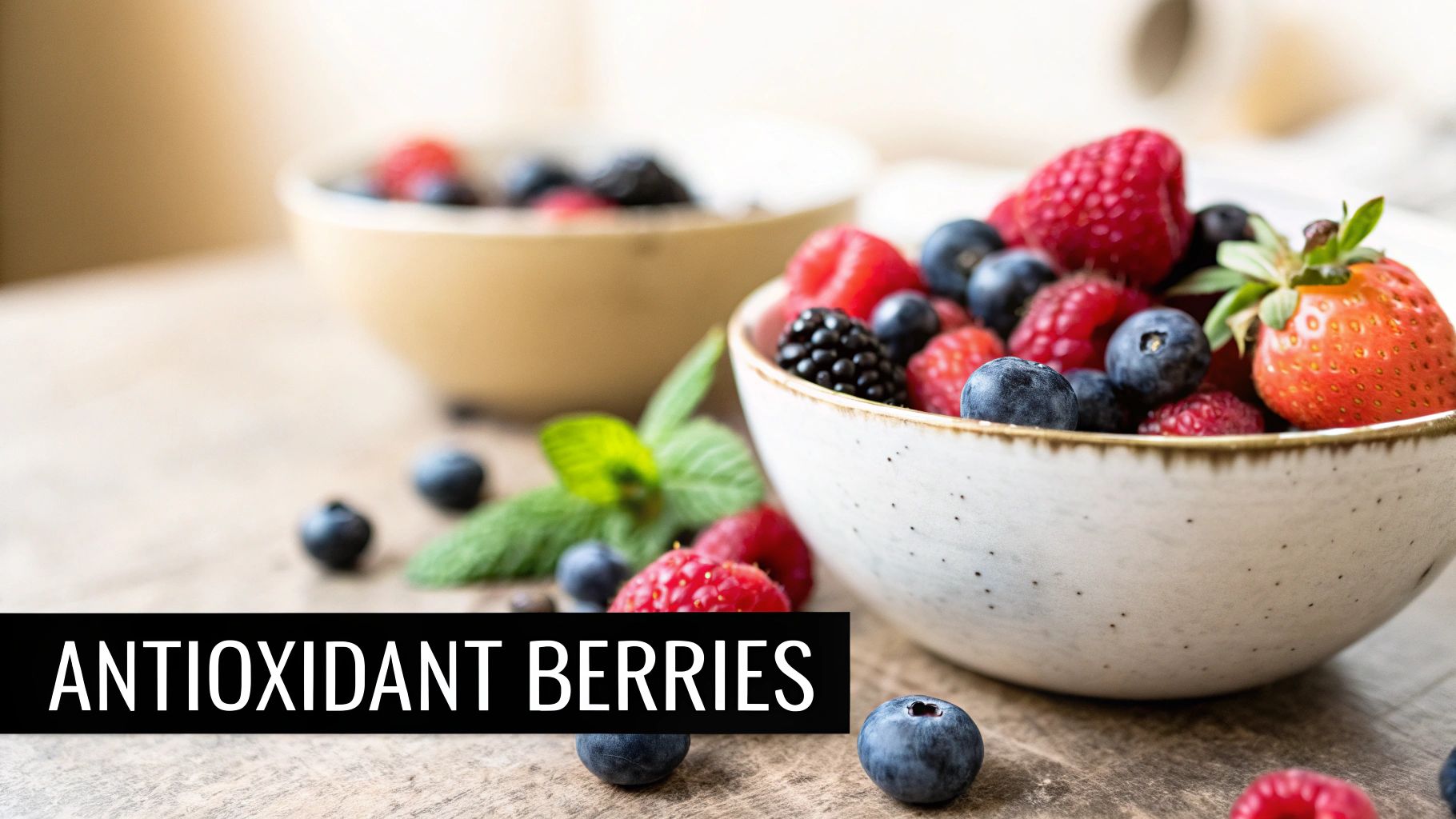
This potent antioxidant capacity helps protect cells from damage, which is fundamental to managing chronic inflammation and supporting the body’s healing mechanisms. For patients undergoing regenerative treatments, incorporating a diet rich in these anti-inflammatory foods can create a more favorable internal environment for cellular repair and therapy efficacy. The concentrated nutrients in berries are foundational for a robust anti-aging and wellness strategy.
How to Incorporate Berries for Maximum Benefit
To fully leverage the anti-inflammatory power of berries, consistency and variety are key. A daily intake can significantly enhance your body's ability to manage inflammation and support the sophisticated cellular therapies we provide.
- Daily Intake: Aim to consume 1-2 cups of mixed berries daily. Both fresh and frozen (without added sugars) are excellent options, as the flash-freezing process preserves their delicate polyphenols.
- Mix for Diversity: Each type of berry offers a unique profile of anthocyanins. Mix blueberries, raspberries, strawberries, and blackberries to gain a broader spectrum of antioxidant benefits.
- Enhance Absorption: Combine berries with a source of healthy fat, such as a handful of almonds or a spoonful of chia seeds. This can improve the absorption of their fat-soluble phytonutrients.
- Clinical Support: For patients seeking a more direct and potent delivery of these vital antioxidants, targeted therapies can complement dietary intake. Discover how our intravenous nutraceutical therapies can provide concentrated antioxidant support.
- Smart Sourcing: Berries, particularly strawberries, often appear on lists of produce with higher pesticide residues. When possible, choose organic varieties to minimize exposure to unwanted chemicals.
6. Ginger Root
A revered rhizome with a rich history in traditional medicine, Ginger Root is a powerful medicinal spice recognized for its potent anti-inflammatory and digestive-soothing properties. Its therapeutic effects are primarily attributed to active compounds called gingerols and shogaols. These bioactive substances directly inhibit pro-inflammatory pathways, including the production of cytokines and the activity of cyclooxygenase (COX) enzymes, functioning in a manner similar to some NSAIDs.
This makes ginger exceptionally valuable for patients with joint inflammation, such as those in our sports medicine programs, where managing inflammation is key to recovery. Its ability to calm the digestive system also makes it beneficial for reducing post-procedure nausea, supporting patient comfort during healing. As demonstrated in clinical research, ginger consistently shows promise in reducing symptoms of arthritis and systemic inflammation.
How to Incorporate Ginger Root for Maximum Benefit
To fully leverage its anti-inflammatory potential, ginger can be easily integrated into your daily diet in various forms. Consistent use makes it an effective tool in your toolkit of anti-inflammatory foods, complementing clinical therapies and supporting overall wellness.
- Daily Intake: For fresh ginger, aim for 1-2 teaspoons of grated root daily in teas, smoothies, or meals. If using dried ginger powder, which is more concentrated, use 0.5-1 teaspoon.
- Therapeutic Pairing: Sauté ginger with turmeric and a pinch of black pepper. This combination creates a powerful synergistic anti-inflammatory effect, as black pepper enhances the bioavailability of both spices.
- Post-Procedure Support: Steep a 1-inch slice of fresh ginger in hot water for 5-10 minutes to create a soothing tea. This can help alleviate discomfort and reduce potential nausea following treatment.
- Clinical Consideration: Patients taking blood thinners should maintain a consistent intake of ginger and consult with their LMI physician to ensure it does not interfere with their medication. This careful integration ensures safety and enhances the outcomes of your personalized treatment plan.
7. Green Tea (EGCG-Rich)
A revered beverage in traditional medicine and a focal point of modern longevity research, green tea is a potent anti-inflammatory agent. Its power is derived from a high concentration of polyphenols called catechins, most notably epigallocatechin gallate (EGCG). This bioactive compound modulates inflammation at a cellular level by down-regulating pro-inflammatory signaling pathways, such as NF-κB, and reducing the production of inflammatory cytokines.
The antioxidant properties of EGCG are equally profound, neutralizing the free radicals that cause oxidative stress—a key driver of chronic inflammation and cellular aging. This dual-action mechanism makes green tea an exceptional beverage for patients undergoing regenerative treatments, as it helps create a less inflammatory internal environment conducive to cellular repair and healing. As one of the most studied anti-inflammatory foods, its benefits for metabolic and cardiovascular health are well-documented.
How to Incorporate Green Tea for Maximum Benefit
To fully leverage the therapeutic potential of green tea, proper selection and preparation are crucial. Integrating this ancient beverage into your daily routine can significantly support your body's natural anti-inflammatory processes and enhance the efficacy of clinical therapies.
- Daily Intake: Aim for 2-3 cups per day to achieve a clinically relevant dose of catechins. Consistent, daily consumption is more effective than occasional use.
- Optimal Brewing: Brew high-quality green tea leaves at a lower temperature, around 160-180°F (70-82°C), for 3-5 minutes. Boiling water can destroy the delicate catechins and create a bitter taste.
- Enhance Bioavailability: Add a squeeze of lemon juice to your brewed tea. The citric acid and vitamin C have been shown to significantly increase the amount of catechins your body can absorb.
- Strategic Timing: To ensure optimal mineral absorption, consume green tea between meals rather than with iron-rich foods like red meat or spinach, as compounds in tea can slightly inhibit iron uptake.
- Clinical Support: Incorporating green tea into a daily hydration strategy is a simple yet powerful way to complement our preventive medicine programs, supporting long-term cellular health and resilience.
8. Nuts and Seeds (Almonds, Walnuts, Flaxseeds, Chia Seeds)
A nutrient-dense powerhouse, nuts and seeds are fundamental to a diet designed to manage inflammation and support cellular health. Varieties like walnuts, flaxseeds, and chia seeds are particularly rich in plant-based omega-3 fatty acids, specifically alpha-linolenic acid (ALA), which the body converts into the same potent anti-inflammatory compounds found in fatty fish. Meanwhile, almonds are a premier source of vitamin E, an antioxidant that protects cell membranes from oxidative damage—a key driver of chronic inflammation.
This combination of healthy fats, fiber, and micronutrients like magnesium makes nuts and seeds critical for patients undergoing regenerative therapies. They provide sustained energy for recovery and help regulate metabolic pathways that influence inflammation. Incorporating these anti-inflammatory foods supports the body's internal environment, creating optimal conditions for healing and tissue repair.
How to Incorporate Nuts and Seeds for Maximum Benefit
To fully leverage their anti-inflammatory potential, mindful selection and preparation are key. Integrating a daily serving can significantly enhance nutritional support for your body's healing mechanisms and complement advanced clinical treatments.
- Daily Intake: Aim for a daily serving of 1-1.5 ounces (a small handful), which is about 23 almonds or 14 walnut halves. For seeds, 1-2 tablespoons of chia or ground flaxseeds is ideal.
- Enhance Bioavailability: Soaking raw nuts like almonds overnight can help reduce phytic acid, an antinutrient that can impair mineral absorption.
- Smart Pairings: Combine nuts and seeds with antioxidant-rich fruits like berries in smoothies or oatmeal for a synergistic anti-inflammatory effect. Add them to salads and yogurt for a boost in texture and nutrients.
- Choose Wisely: Opt for raw or dry-roasted varieties. Avoid options roasted in inflammatory industrial seed oils (like canola or soybean oil) or those with added sugars and excessive salt.
- Proper Storage: Nuts and seeds contain delicate oils that can go rancid. Store them in an airtight container in a cool, dark place or in the refrigerator to preserve their freshness and potent properties.
9. Cruciferous Vegetables (Broccoli, Cauliflower, Brussels Sprouts, Cabbage)
The cruciferous vegetable family, which includes powerhouse greens like broccoli, cauliflower, and Brussels sprouts, offers more than just fiber and vitamins. These vegetables are a primary source of sulfur-containing compounds called glucosinolates, which are converted into bioactive molecules like sulforaphane and indole-3-carbinol. These compounds are potent activators of the body's natural detoxification pathways and have been shown to directly suppress the expression of pro-inflammatory genes, effectively turning down the body's inflammatory response at a cellular level.
This powerful mechanism makes cruciferous vegetables an indispensable part of a diet aimed at managing chronic and autoimmune conditions. For patients undergoing regenerative medicine protocols, incorporating these anti-inflammatory foods is essential for creating a systemic environment that supports tissue repair and cellular health. By reducing the underlying inflammatory burden, these vegetables help optimize the body's ability to heal and respond to advanced therapies. For more on this, the research led by Dr. Jed Fahey at Johns Hopkins provides deep insights into sulforaphane's health benefits.
How to Incorporate Cruciferous Vegetables for Maximum Benefit
To unlock the full anti-inflammatory potential of these vegetables, proper preparation and strategic consumption are key. This ensures the maximum conversion of glucosinolates into their active, health-promoting forms.
- Optimal Intake: Aim to consume 2-3 cups per week. You can rotate between different types like broccoli, cabbage, and kale for a wider range of nutrients.
- Preparation is Key: Lightly steam vegetables for only 3-5 minutes. This preserves the crucial myrosinase enzyme needed to create sulforaphane. Chewing thoroughly when raw also activates this enzyme.
- Boost Sulforaphane: Add a sprinkle of mustard seed powder or a side of horseradish to cooked cruciferous vegetables. These contain active myrosinase and can significantly increase sulforaphane formation. Broccoli sprouts, just 3-4 days old, contain 20-50 times more sulforaphane than mature heads.
- Clinical Integration: We often include these vegetables in pre-procedure detoxification protocols to prepare the body for treatments, such as those in our metabolic health programs. For individuals with thyroid sensitivities, light cooking is recommended to reduce goitrogen activity.
10. Bone Broth (Grass-Fed, Long-Simmered)
A healing food revered in traditional diets for centuries, bone broth is a nutrient-dense elixir with profound anti-inflammatory and restorative properties. Created by slowly simmering animal bones and connective tissues, this process extracts valuable compounds like collagen, gelatin, and amino acids such as glycine and proline. These components are crucial for repairing the gut lining—a primary site of systemic inflammation—and for rebuilding cartilage and connective tissues.
The high concentration of glucosamine and chondroitin in bone broth also directly supports joint health by reducing pain and inflammation associated with osteoarthritis. This makes it an invaluable nutritional tool for patients undergoing joint regeneration therapies or recovering from musculoskeletal injuries, as it provides the essential building blocks for tissue repair while simultaneously calming the body's inflammatory response. It is a foundational food in any diet focused on anti-inflammatory foods.
How to Incorporate Bone Broth for Maximum Benefit
To fully leverage the healing potential of bone broth, proper sourcing and preparation are key. Integrating this functional food into your daily regimen can provide powerful support for cellular repair and enhance the outcomes of regenerative treatments.
- Daily Intake: Aim to consume 1-2 cups per day. It can be enjoyed as a warm, savory beverage on its own or used as a nutrient-rich base for soups, stews, and sauces.
- Choosing Quality: Prioritize broth made from the bones of grass-fed, pasture-raised animals to ensure the highest nutrient density and avoid potential inflammatory compounds from conventionally raised livestock.
- Preparation Method: For homemade broth, a long simmer of 24-48 hours is essential to maximize the extraction of collagen, gelatin, and minerals. Adding a splash of apple cider vinegar can help draw even more minerals from the bones.
- Clinical Support: Incorporating bone broth into a post-procedure nutrition plan is highly recommended for patients in our joint regeneration programs, as it directly provides the raw materials needed for cartilage and tissue recovery.
- Convenience: For those with limited time, high-quality, organic pre-made bone broths are an excellent alternative. Look for brands with minimal ingredients and no added sugars or preservatives.
Top 10 Anti-Inflammatory Foods Comparison
Item🔄 Implementation Complexity⚡ Resource Requirements📊 Expected Outcomes⭐ Key Advantages💡 Ideal Use CasesExtra Virgin Olive OilLow — ready-to-use, minimal prepModerate — premium cost, storage in dark bottlesLowers CRP/IL-6; supports cellular recovery and stem cell integration⭐ Antioxidant-rich; oleocanthal; MUFAs💡 2–3 tbsp/day; add after cooking; pre/post regenerative therapyWild-Caught Fatty Fish (Salmon, Sardines, Mackerel)Medium — sourcing and cooking requiredHigh — cost, sustainability & contamination considerationsReduces TNF-α/IL-6; improves joint, cardiovascular and neural recovery⭐ High EPA/DHA bioavailability💡 2–3 servings/week; ideal for joint/stem cell recovery and athletesTurmeric (Curcumin)Medium — requires formulation for bioavailabilityLow–Moderate — inexpensive powder; extracts/supplements cost moreModulates NF-κB; reduces inflammatory mediators; supports neuroprotection⭐ Potent botanical anti-inflammatory💡 Combine with piperine/fat or use standardized extract; daily use over weeksDark Leafy Greens (Spinach, Kale, Swiss Chard)Low — simple washing/prep; storage neededLow–Moderate — fresh/organic cost and shelf-lifeLowers inflammation; supports bone, vascular and detox functions⭐ Nutrient-dense; vitamin K, chlorophyll💡 2–3 cups/day raw or lightly steamed; foundational pre/post-procedure nutritionBerries (Blueberries, Strawberries, Raspberries, Blackberries)Low — minimal prep; seasonal varianceModerate — organic recommended; frozen option reduces costLowers inflammatory cytokines; neuroprotective and vascular benefits⭐ High anthocyanin/polyphenol content💡 1–2 cups/day; post-workout recovery and cognitive supportGinger RootLow — easy to prepare fresh, dried, or teaLow — inexpensive fresh or driedReduces pain and inflammation; antiemetic and digestive support⭐ Analgesic and antiemetic compounds (gingerols/shogaols)💡 Use for post-op nausea and joint inflammation; combine with turmericGreen Tea (EGCG-Rich)Low — brewing routine; temperature sensitiveLow–Moderate — quality leaves matterEGCG-driven autophagy and antioxidant effects; reduces inflammation⭐ EGCG for cellular longevity and metabolic support💡 2–3 cups/day; brew 160–180°F; time away from iron-rich mealsNuts and Seeds (Almonds, Walnuts, Flaxseeds, Chia)Low — portion control and optional soakingModerate — cost, refrigeration to prevent rancidityLowers inflammatory markers; supports satiety, muscle recovery and gut health⭐ Omega-3s, magnesium, fiber and polyphenols💡 1–1.5 oz/day; soak to reduce phytic acid; pair with berriesCruciferous Vegetables (Broccoli, Cauliflower, Brussels Sprouts, Cabbage)Medium — light cooking to preserve myrosinaseLow–Moderate — fresh or sprouts sourcingActivates detox pathways (Nrf2); reduces pro-inflammatory gene expression⭐ Sulforaphane and glucosinolate-driven detox💡 2–3 cups/week; eat sprouts or add mustard/horseradish to boost conversionBone Broth (Grass-Fed, Long-Simmered)High — long simmering or reliable purchased sourceModerate — time-intensive or higher cost for qualitySupplies collagen, glycine, glucosamine; supports joint repair and gut barrier⭐ Collagen-rich for connective tissue regeneration💡 1–2 cups/day for joint regeneration; choose grass-fed and monitor histamine/sodium
Integrating Anti-Inflammatory Nutrition into Your Regenerative Protocol
Adopting a diet rich in anti-inflammatory foods is far more than a temporary measure; it is a foundational strategy for optimizing your body’s internal environment for healing, regeneration, and sustained wellness. Throughout this guide, we have explored a diverse arsenal of powerful, nutrient-dense foods—from the omega-3 fatty acids in wild-caught salmon to the potent polyphenols in berries and the sulforaphane in cruciferous vegetables. Each food offers a unique mechanism to help regulate inflammatory pathways, protect cells from oxidative stress, and support your body's innate capacity for repair.
The journey toward a less inflammatory state is not about perfection but about consistent, intentional choices. It involves building a culinary framework where these functional foods are not occasional additions but staples of your daily routine. Mastering this approach means transforming knowledge into sustainable habits that synergize with your broader health and wellness goals, particularly if you are undergoing regenerative therapies.
From Knowledge to Action: Key Takeaways for Lasting Change
Recapping the core principles, remember that the true power of an anti-inflammatory diet lies in its holistic application. It's about the cumulative effect of your dietary pattern, not just a single ingredient.
- Embrace Synergy: The benefits of these foods are often magnified when consumed together. Combining turmeric with black pepper and a healthy fat like extra virgin olive oil enhances curcumin absorption, while pairing leafy greens with a source of vitamin C boosts iron uptake. Your plate should be a mosaic of colors and nutrients working in concert.
- Prioritize Quality: The source of your food matters immensely. Opt for wild-caught fish over farmed varieties to maximize omega-3s and minimize contaminants. Choose organic berries to reduce pesticide exposure and select extra virgin olive oil to ensure the highest polyphenol content. These quality distinctions directly impact the anti-inflammatory potential of the food.
- Personalization is Paramount: While the foods listed provide a robust blueprint, your individual needs are unique. Factors such as your genetic predispositions, existing health conditions, medication protocols (like blood thinners, which can interact with vitamin K in leafy greens or compounds in ginger), and specific regenerative treatments must be considered. A personalized approach ensures both safety and efficacy.
The Regenerative Advantage: Nutrition as a Therapeutic Partner
For patients engaged in advanced protocols such as stem cell therapy, PRP, or other regenerative treatments, nutrition is not merely supportive; it is an integral component of your therapeutic success. Chronic inflammation can create a hostile environment that undermines the body's ability to heal and may even impede the effectiveness of these sophisticated interventions. By actively incorporating these anti-inflammatory foods, you are preparing the terrain for optimal cellular function and tissue repair.
This proactive nutritional strategy helps to quiet the systemic "noise" of inflammation, allowing regenerative signals to be transmitted more clearly and effectively. It is a commitment to fostering an internal ecosystem that welcomes and amplifies healing. This synergy between targeted nutrition and cutting-edge medicine is the cornerstone of a modern, intelligent approach to extending both lifespan and healthspan. The ultimate goal is to create a state of biological resilience, where your body is better equipped to manage stressors, recover from injury, and thrive.
Ready to translate this knowledge into a personalized action plan that complements your specific health objectives? The clinical team at Longevity Medical Institute specializes in integrating evidence-based nutrition with advanced regenerative therapies to create comprehensive, physician-supervised protocols. Visit us at Longevity Medical Institute to discover how we can help you harness the power of targeted nutrition to optimize your healing and longevity.
Considering Stem Cell Therapy in San José del Cabo?
San José del Cabo is home to Longevity Medical Institute’s primary regenerative medicine clinic, serving patients seeking physician-guided longevity and regenerative therapies in Mexico.
All treatments are delivered within licensed medical facilities and follow defined clinical protocols. Patients considering care in San José del Cabo are supported through consultation, treatment planning, and follow-up to help ensure clarity, safety, and continuity of care.
Learn more about our San José del Cabo clinic.
Author
Dr. Kirk Sanford, DC — Founder & CEO, Longevity Medical Institute. Dr. Sanford focuses on patient education in regenerative and longevity medicine, translating complex therapies into clear, practical guidance for patients.
Medical Review
Dr. Félix Porras, MD — Medical Director, Longevity Medical Institute. Dr. Porras provides clinical oversight and medical review to help ensure accuracy, safety context, and alignment with current standards of care.
Last Reviewed: August 11, 2025
Short Disclaimer
This information is for educational purposes only and is not medical advice. It does not replace an evaluation by a qualified healthcare professional. For personalized guidance, please schedule a consultation.