How Many Calories Does Shrimp Have? A Physician’s Guide to Shrimp Calories
When our patients ask about the calories in shrimp, the answer is refreshingly straightforward. A standard 100-gram serving (approximately 3.5 ounces) of cooked shrimp contains just 99 calories, establishing it as an exceptional low-calorie, high-protein food. This remarkable nutrient density is precisely why it serves as a cornerstone of any sophisticated, health-conscious nutritional plan.
A Clinical Look at the Calorie Count of Shrimp
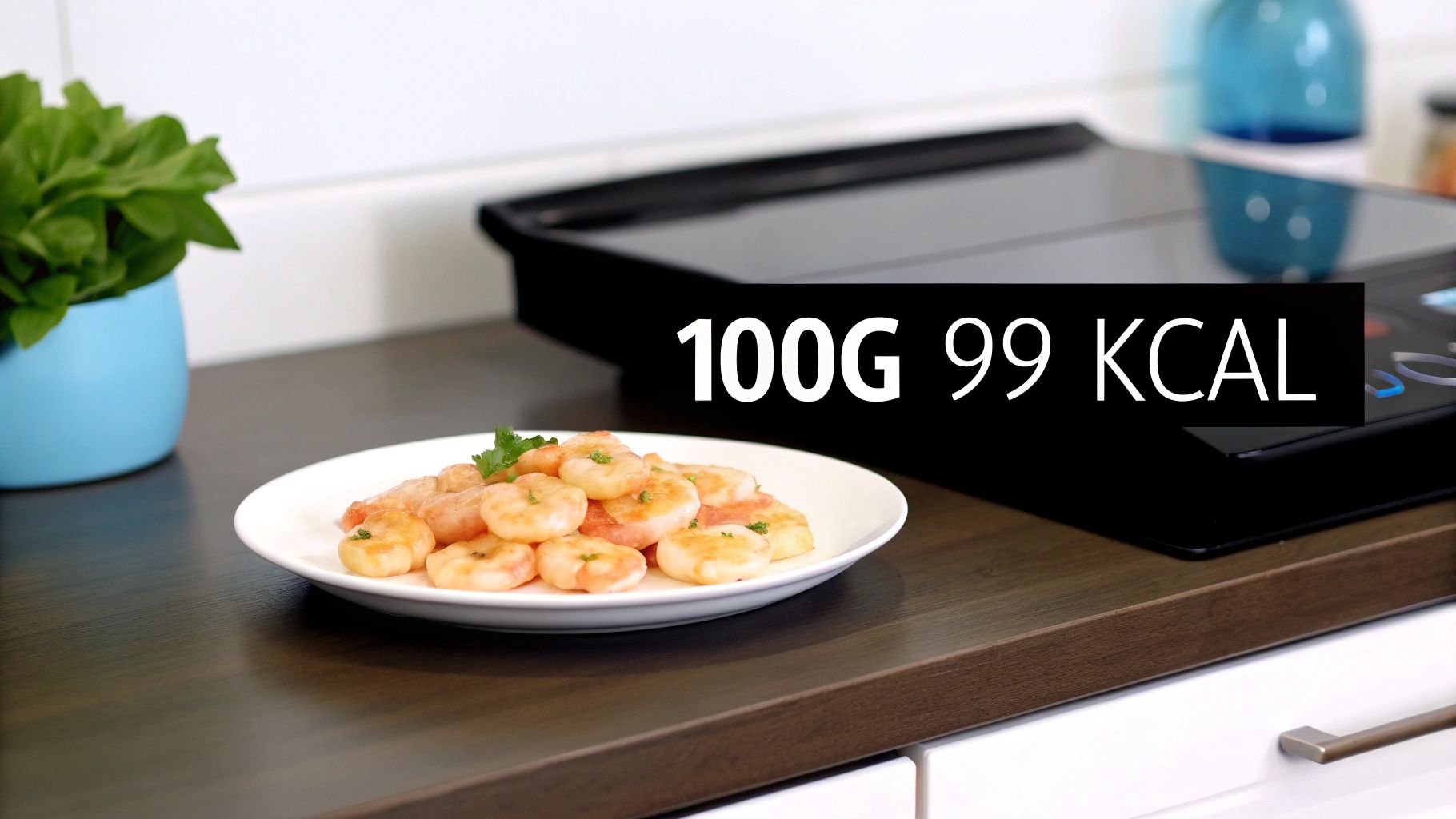
Understanding the nutritional data is the first step toward integrating shrimp into a well-designed wellness protocol. Its profile is remarkably lean, offering significant benefits with a minimal caloric footprint. This makes shrimp an ideal food for any individual focused on enhancing vitality and achieving optimal body composition.
For our patients pursuing longevity, shrimp is a standout performer. A standard 3-ounce portion provides approximately 84–101 calories. Critically, that same serving delivers 19–24 grams of high-quality protein. This means over 75% of its calories come directly from protein—a ratio that is difficult to surpass. You can explore a detailed breakdown of shrimp's nutritional value on loseit.com.
This superior protein-to-calorie ratio directly supports key health objectives:
- Satiety and Weight Management: High-protein foods are known for promoting a prolonged sense of fullness. This naturally helps regulate appetite and may lead to a lower overall calorie intake without feelings of deprivation.
- Muscle Preservation and Repair: The amino acids in shrimp are the essential building blocks for lean muscle. Maintaining muscle mass is non-negotiable for sustaining a healthy metabolism, particularly as we age.
By delivering substantial nutrition for so few calories, shrimp empowers you to fuel your body effectively without compromising your health goals. It is a true foundation of an elegant, performance-oriented diet.
The Nutritional Powerhouse Beyond Calories
While its low calorie count is impressive, the true clinical value lies in the nutrients packed within those calories. Looking beyond the numbers helps illuminate why shrimp is such a potent tool for building a healthier, more resilient body.
At its core, shrimp consists almost entirely of high-quality protein and water. It contains virtually zero carbohydrates and minimal fat, making it an exceptional food for anyone dedicated to managing their metabolic health and improving body composition.
Macronutrients for Optimal Performance
The protein in shrimp is a complete protein, meaning it provides all the essential amino acids your body requires to function but cannot synthesize on its own. These are the fundamental building blocks for tissue repair and, most importantly, the preservation of lean muscle mass. As we age, retaining muscle is one of the single most critical factors for a robust metabolism and long-term vitality, a topic we explore in our guide on why muscle loss is a problem you can't ignore.
Because shrimp is virtually carbohydrate-free, it has a glycemic index of zero. This means it will not cause a spike in blood sugar, making it a perfect component of nutritional plans focused on managing weight, prediabetes, or metabolic syndrome.
This unique protein-first profile also makes shrimp incredibly satiating. It promotes a feeling of fullness and satisfaction, which naturally helps regulate appetite without the energy fluctuations that often follow high-carbohydrate meals.
Vital Micronutrients for Cellular Health
Beyond protein, shrimp is rich in essential micronutrients that support health from the cellular level upward. It is one of the best dietary sources of several key minerals and antioxidants that are often deficient in modern diets.
Key micronutrients include:
- Selenium: This essential mineral is a potent antioxidant that helps protect cells from oxidative damage and supports robust immune function.
- Iodine: Absolutely crucial for healthy thyroid function, which serves as the master regulator of the body's metabolic rate.
- Astaxanthin: This powerful antioxidant imparts shrimp with its pink hue. It is recognized for its strong anti-inflammatory properties and its role in promoting healthy skin and cellular function.
A single 3-ounce serving of wild American shrimp provides all of these critical nutrients for only 84–101 calories. This makes it an incredibly efficient food for anyone pursuing a diet focused on performance and long-term wellness. You can find more details about the health benefits of shrimp on Healthline.
How Preparation Methods Affect Shrimp Calories
The baseline calorie count for shrimp is merely a starting point. Your preparation method profoundly alters the nutritional outcome, transforming this lean protein into either a pillar of a healthy meal or a source of excessive, unnecessary calories.
Consider plain shrimp a blank canvas. Steaming, boiling, or grilling adds virtually no extra calories. These methods preserve its lean profile and allow the delicate, natural flavor of the shrimp to emerge. For any individual focused on weight management or clean eating, these are the preferred options.
The equation changes the moment you introduce fats like oil or butter. A single tablespoon of olive oil, for instance, adds approximately 120 calories. While a healthy fat, its addition during sautéing or stir-frying means the shrimp will absorb a portion of it, causing the total calorie count of your dish to climb rapidly.
This chart illustrates the fundamental nutritional breakdown of shrimp before any other ingredients are added.
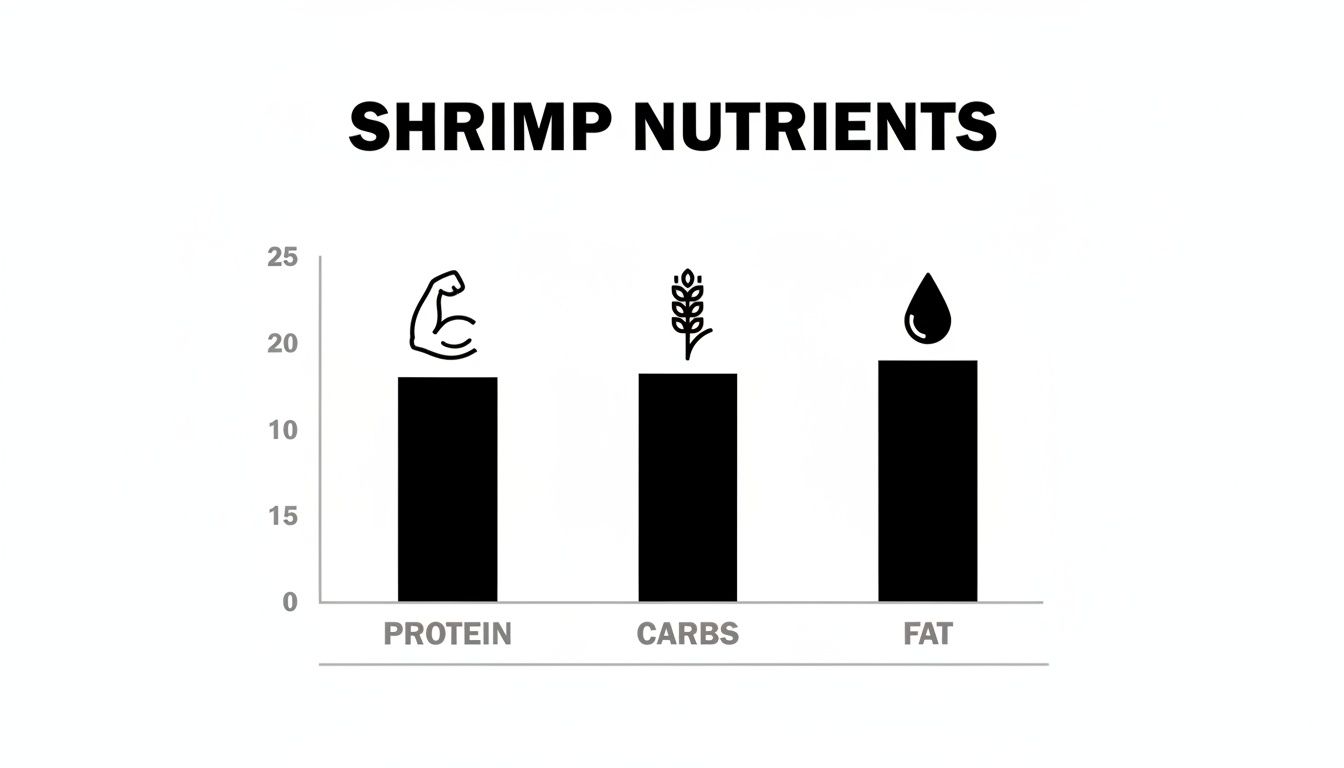
As you can see, nearly all of shrimp's calories are derived from protein. This is what makes it such an exceptionally lean food in its natural state.
A Closer Look at Cooking Methods
Methods such as breading and deep-frying can easily double the calorie count. The breading acts as a sponge for oil, and when combined with high-calorie sauces, you can add hundreds of extra calories from sugars and fats. The key takeaway is to remain mindful not just of the shrimp, but of every ingredient it is prepared with.
Let’s examine how quickly calories can accumulate based on preparation. The table below provides an estimate for a standard 100g serving.
Caloric Impact of Common Shrimp Preparation Methods (per 100g)
Preparation MethodBase Calories (Shrimp)Estimated Added CaloriesTotal Estimated CaloriesSteamed/Boiled~85 kcal0 kcal~85 kcalGrilled (No Oil)~85 kcal~5-10 kcal (from seasoning)~95 kcalSautéed (1 tbsp Oil)~85 kcal~120 kcal (from oil)~205 kcalFried (Battered)~85 kcal~150-200+ kcal (from batter & oil)~235-285+ kcalIn Cream Sauce~85 kcal~200-300+ kcal (from sauce)~285-385+ kcal
It is clear that the additions—oils, breading, and sauces—are the primary contributors to caloric load. A simple substitution from a creamy shrimp alfredo to grilled shrimp skewers can save hundreds of calories in a single meal.
For our patients, understanding this distinction is critical. The preparation method can be the deciding factor between a meal that supports health goals and one that detracts from them.
Integrating Shrimp into Your Wellness Plan
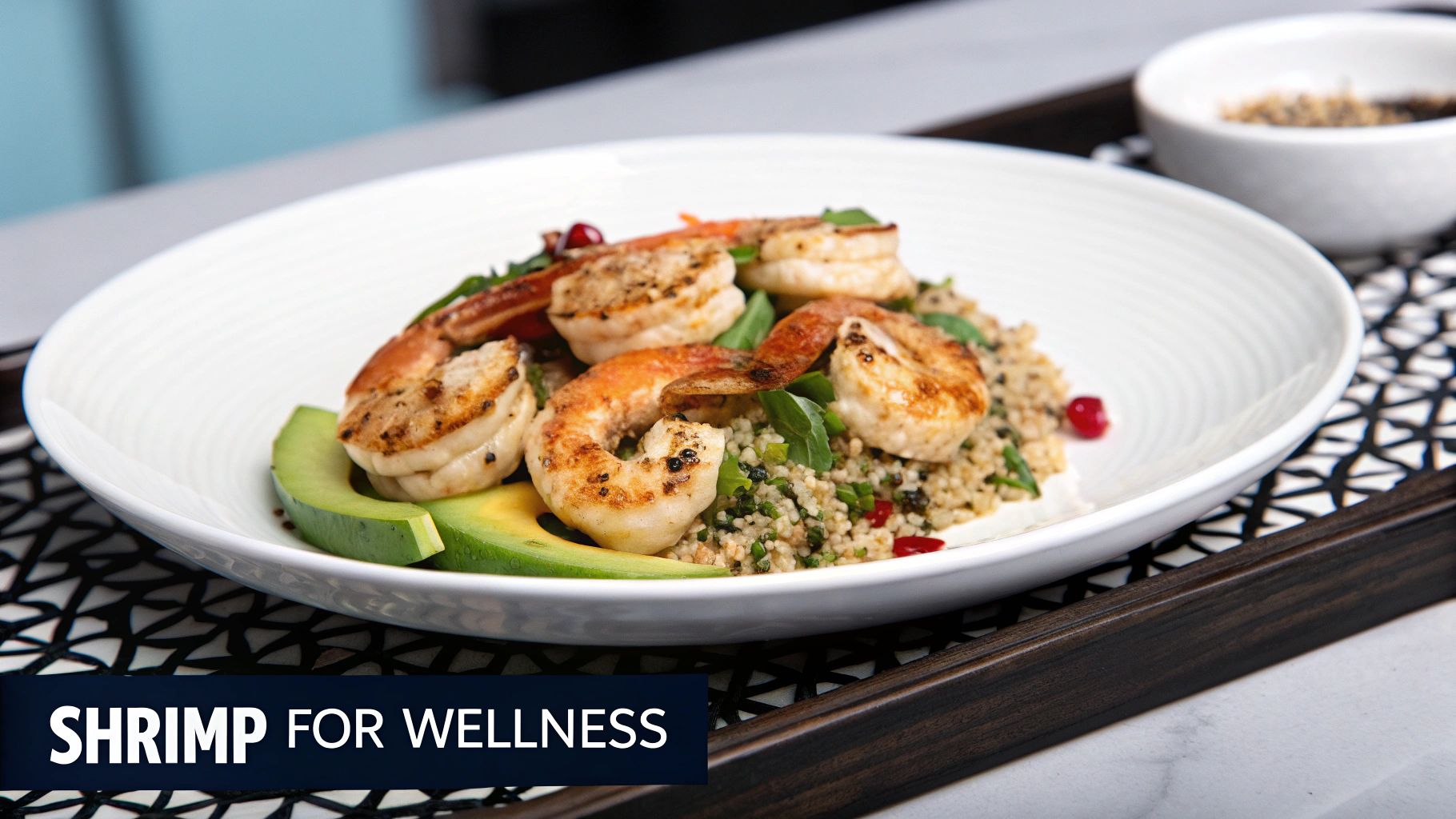
While understanding nutritional data is important, translating that information into tangible results is where true wellness begins. Acknowledging shrimp's calorie count is the first step. The next is learning how to integrate it into your meals to achieve personal goals, whether that involves managing weight, enhancing athletic performance, or supporting long-term vitality.
Shrimp’s outstanding protein-to-calorie ratio makes it a powerful asset. Its high protein content is excellent for satiety, helping you feel full and satisfied long after a meal. This is a significant advantage for managing body composition, as it helps curb appetite naturally and reduce overall calorie intake without causing a sense of deprivation.
Tailoring Shrimp Portions to Your Goals
For athletes, the benefits are equally significant. The complete amino acid profile in shrimp delivers all the essential building blocks the body needs for muscle repair following strenuous exercise. This makes it an ideal post-training meal to support tissue recovery and preserve the lean muscle mass that sustains a healthy metabolism.
If you are focused on a longevity lifestyle, shrimp fits seamlessly into an anti-inflammatory eating plan. When prepared simply, without added fats, it provides clean protein and micronutrients like astaxanthin that help combat oxidative stress at the cellular level. This is a core principle of a varied, nutrient-dense diet. You can explore this concept further in our clinical perspective on what a varied diet means for long-term health.
The key is to pair shrimp with other nutrient-dense foods. This ensures your meals are not only low in calories but also rich in fiber, healthy fats, and complex carbohydrates, creating a powerful synergy that supports whole-body health.
Consider these simple, effective meal concepts:
- For Weight Management: Grill shrimp and toss with a large bowl of leafy greens, avocado, and a light vinaigrette. The combination of lean protein, fiber, and healthy fats is optimal for promoting fullness.
- For Athletic Recovery: Poach a serving of shrimp and pair it with quinoa and roasted vegetables. This meal delivers the protein required for muscle repair along with the complex carbohydrates to replenish energy stores.
- For Longevity: Steam shrimp and serve in a rich broth with shiitake mushrooms and bok choy. This is an anti-inflammatory and deeply nourishing meal that is difficult to surpass.
Addressing Common Concerns About Shrimp
Even after outlining shrimp's impressive nutritional profile, two questions almost always arise. These are important, thoughtful inquiries regarding cholesterol and sustainability, and addressing them is key to enjoying this food with confidence.
For years, the cholesterol in shrimp was a source of confusion. We now understand that for most healthy individuals, dietary cholesterol has a minimal impact on blood cholesterol levels. The body’s own production is the primary driver, not the modest amount obtained from nutrient-dense foods like shrimp.
The clinical conversation around heart-healthy eating has evolved. The focus has shifted from dietary cholesterol to limiting saturated and trans fats. Since shrimp contains almost no saturated fat, it remains an excellent choice for a balanced wellness plan.
Making Responsible and Sustainable Choices
The environmental impact of our food choices is another valid concern. Making a conscious decision at the market is a powerful way to support both personal health and the health of our oceans.
When purchasing shrimp, look for labels that indicate responsible harvesting practices. This is simpler than it may sound.
- Wild-Caught: Often preferred for its natural habitat. Look for clear "Wild-Caught" labeling or certifications from groups like the Marine Stewardship Council (MSC).
- Sustainably Farmed: Aquaculture has advanced significantly. Look for shrimp certified by the Aquaculture Stewardship Council (ASC) or those with a Best Aquaculture Practices (BAP) label.
Choosing shrimp with these certifications helps ensure that your food is not only beneficial for you but also sourced with respect for marine ecosystems. Understanding these nuances allows you to navigate nutritional choices with greater precision and peace of mind.
For more physician-led answers to common nutritional questions, explore our guide on your top questions about healthy eating.
Ultimately, shrimp is one of the most potent foods you can incorporate into a diet focused on health, performance, and longevity.
Its combination of high-quality protein, low calories, and critical micronutrients makes it a uniquely versatile tool for reaching your goals. Now that you understand how to select and prepare it, you can make shrimp a regular, delicious component of your nutrition strategy. Knowing the precise data behind its calorie count is the first step toward making informed choices that support your long-term vitality.
To elevate your health with physician-led guidance, we invite you to explore our comprehensive wellness programs. We are here to provide the precise strategies and support you need to achieve peak health and reclaim your vitality with confidence.
Answering Your Top Questions About Shrimp
Let's address some of the most common questions we receive from our patients. Clarifying these details is what transforms nutritional knowledge into confident, everyday application.
How Many Shrimp Are In a 100g Serving?
This is an excellent practical question, particularly when a food scale is not available. The number of shrimp in a 100-gram serving depends on their size.
- For jumbo shrimp (often labeled 21-25 count per pound), a 100-gram serving consists of approximately 5 to 6 individual shrimp.
- For large shrimp (labeled 31-35 count per pound), the same 100-gram portion will be closer to 7 or 8 shrimp.
Knowing these approximate counts helps you estimate portions with greater accuracy, keeping you aligned with your daily protein and calorie targets.
Is Frozen Shrimp As Healthy As Fresh?
Yes, without question. In fact, frozen shrimp is often nutritionally superior to the "fresh" shrimp displayed on ice at a seafood counter.
The reason is straightforward: most shrimp are flash-frozen on the vessel within minutes of being caught. This process acts like a nutritional pause button, perfectly preserving their delicate texture, flavor, and rich profile of vitamins and minerals. In contrast, "fresh" shrimp may have been thawed for days, leading to a gradual decline in quality.
Can I Eat Shrimp If I Am Monitoring My Sodium Intake?
Absolutely. Shrimp in its natural state is very low in sodium. The key is to be mindful of its preparation.
To maintain a low sodium content, rinse frozen shrimp thoroughly under cool water before cooking. This removes any saline solution used for preservation. From there, utilize cooking methods like grilling, steaming, or broiling, and build flavor with herbs, spices, and a squeeze of lemon or lime instead of high-sodium sauces or breadings.
At the Longevity Medical Institute, we empower you with the knowledge to make nutritional choices that support your long-term vitality. Discover our physician-led programs at https://www.longevity-institute.com.
Considering Stem Cell Therapy in Los Cabos?
Los Cabos offers a unique setting for patients seeking advanced regenerative therapies in a medically licensed environment, with convenient access for international travelers.
Longevity Medical Institute’s Los Cabos clinics operate under physician oversight and established medical standards, providing regenerative and longevity therapies within a structured clinical framework. Patients benefit from coordinated care, clear eligibility screening, and a focus on safety and outcomes.
Learn more about regenerative care in Los Cabos.
Author
Dr. Kirk Sanford, DC — Founder & CEO, Longevity Medical Institute. Dr. Sanford focuses on patient education in regenerative and longevity medicine, translating complex therapies into clear, practical guidance for patients.
Medical Review
Dr. Félix Porras, MD — Medical Director, Longevity Medical Institute. Dr. Porras provides clinical oversight and medical review to help ensure accuracy, safety context, and alignment with current standards of care.
Last Reviewed: September 2, 2025
Short Disclaimer
This information is for educational purposes only and is not medical advice. It does not replace an evaluation by a qualified healthcare professional. For personalized guidance, please schedule a consultation.