

A Patient's Guide to Stem Cell Exosomes Therapy
When most people think of regenerative medicine, they think of stem cells. For years, the focus has been on the incredible potential of these cells to repair and replace damaged tissue. But as our understanding has evolved, the science is pointing toward something even more precise: what the stem cells produce.
This is where stem cell exosomes come in. This cell-free approach represents a major step forward, offering a more targeted way to guide the body's own healing and regeneration processes.
The Next Frontier in Regenerative Medicine
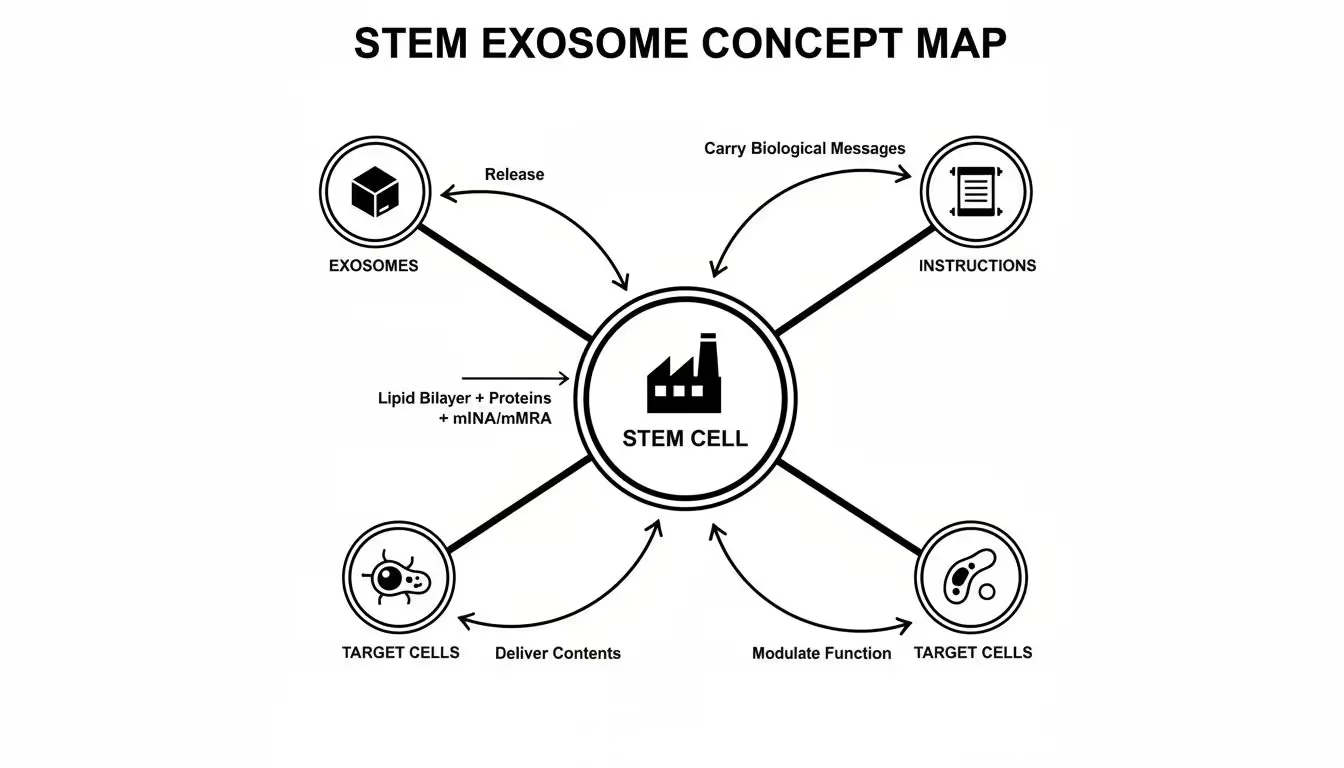
Think of a stem cell as a sophisticated command center, constantly working to repair and maintain your body. While the command center itself is vital, the real work is accomplished by the messengers it sends out.
Exosomes are those messengers. They are microscopic packages loaded with a specific set of instructions—proteins, growth factors, and genetic material like mRNA and microRNA. These packages travel throughout the body, acting as a highly advanced communication network.
When they reach damaged, inflamed, or aging cells, they fuse with them and deliver their cargo. In effect, they are telling those cells exactly what to do to restore optimal function. This can set off a powerful cascade of positive, regenerative effects.
A New Paradigm in Cellular Signaling
The primary role of a stem cell exosome is not to become new tissue itself, but to direct your existing cells to perform better. This includes instructing them to:
- Reduce Inflammation: Calm overactive immune responses that cause chronic pain and tissue breakdown.
- Promote Regeneration: Signal cells to rebuild damaged tissue, like cartilage in an arthritic joint or collagen in the skin.
- Enhance Cellular Function: Improve the overall health and efficiency of recipient cells—a cornerstone of longevity medicine.
This visual map illustrates how a parent stem cell acts as a central hub, dispatching exosomes to carry out specific repair and regeneration tasks remotely.
It’s a more refined way of thinking about regenerative medicine. Instead of just introducing new cells, we are leveraging the body's natural signaling system to orchestrate healing from within.
The quality of exosomes is directly tied to the type of stem cell that produces them. Current research and clinical practice show that mesenchymal stem cells (MSCs) are the gold standard. In fact, MSCs are the source for a dominating 45% of the exosome therapeutics market, largely due to their potent regenerative signals, excellent safety profile, and ability to be reliably cultivated in a lab setting.
To help you decide which approach is right for you, we've put together a simple comparison.
Exosomes vs. Whole Stem Cells at a Glance
FeatureStem Cell ExosomesWhole Stem Cell TherapyPrimary ComponentCell-free vesicles (messengers)Live, whole stem cellsMechanismCell-to-cell communication (paracrine signaling)Cell replacement, engraftment, and signalingSafety ProfileLower risk of immune reaction or rejectionPotential for immune response; requires careful matchingDeliveryCan cross barriers like the blood-brain barrierMore limited in where they can travel and engraftTarget ActionPrecise signaling to existing cellsBroader action, including becoming new tissueBest ForReducing systemic inflammation, modulating cell functionLocalized tissue repair and regeneration (e.g., joints)
While both therapies are powerful tools in regenerative medicine, they work in different ways and are suited for different goals.
For a deeper dive into whole-cell treatments, you can explore our comprehensive patient's guide to stem cell therapies and regeneration. Understanding both approaches is the best way to determine which therapy aligns with your personal health objectives.
How Exosomes Direct Cellular Repair
To truly understand what stem cell exosomes do, it helps to think of them less as structures and more as intelligent delivery vehicles. Each exosome is a tiny, naturally made vesicle packed with a specific payload of signaling molecules. That cargo is the key to their power—carrying precise instructions from healthy stem cells directly to your cells that are injured or struggling.
When administered, these exosomes travel through the body, naturally drawn to areas of inflammation and damage. Once an exosome reaches its target—for example, a damaged cartilage cell in your knee—it fuses with the cell membrane. This action is like a key sliding into a lock, allowing the exosome to unload its contents directly inside.
This isn’t about replacing the damaged cell. Instead, the exosome delivers a new set of instructions, essentially coaching the existing cell back toward health and optimal function.
The Blueprint for Regeneration
The payload inside a single exosome is incredibly complex and engineered for maximum impact. While each one carries hundreds of different molecules, they primarily fall into a few key categories that work in concert to orchestrate healing. This is where the real precision of exosome therapy comes into play.
This biological payload includes:
- Growth Factors: These proteins are fundamental for tissue repair. They kickstart cell growth, encourage the formation of new blood vessels (angiogenesis) to improve circulation, and help rebuild crucial structures like collagen and cartilage.
- Messenger RNA (mRNA): This is genetic material that gives the recipient cell a temporary recipe to create its own healing proteins. It’s like handing a struggling cell a blueprint to produce the anti-inflammatory or regenerative compounds it stopped making due to age or injury.
- MicroRNA (miRNA): These tiny molecules are gene regulators. They act like switches, turning "off" genes that promote inflammation or cell death (apoptosis) while turning "on" genes that support survival and repair.
This multi-pronged approach allows exosomes to address cellular problems from several angles at once, promoting a far more complete and efficient healing process.
By delivering this potent cargo, stem cell exosomes act as a powerful catalyst for the body's innate repair mechanisms. They don't just patch a problem; they fundamentally reprogram the local cellular environment to favor regeneration over degeneration.
Modulating Inflammation and Protecting Cells
One of the most powerful and immediate effects of stem cell exosomes is their ability to calm the immune system. We know that chronic inflammation is at the root of many age-related diseases, from osteoarthritis to cognitive decline. It creates a hostile environment where cells cannot function or repair themselves effectively.
Exosomes carry specific proteins and miRNA that dial down this overactive immune response. They signal immune cells to shift from a pro-inflammatory state to an anti-inflammatory and pro-reparative one, creating a much better environment for healing to begin.
At the same time, the exosome cargo is packed with cytoprotective molecules—compounds that shield cells from stress and prevent them from dying off prematurely. This protective effect is critical for preserving tissue, especially in areas affected by chronic injury or degenerative changes.
By combining anti-inflammatory signals with cell-protective instructions, exosomes create the ideal conditions for long-term tissue health. For those who want to dig deeper into the science, our guide on stem cell education made simple offers more background.
Key Applications for Exosome Therapy
The true measure of any advanced therapy is its impact on a patient's health. Stem cell exosomes are proving to be an incredibly versatile tool, capable of delivering highly specific instructions for a host of regenerative needs. By tapping into the body's own communication network, this therapy offers a precise way to encourage healing where it's needed most.
From persistent joint pain to proactive anti-aging strategies, the uses for exosome therapy are expanding rapidly. The therapy’s fundamental mechanism—reducing inflammation and directing cellular repair—makes it a powerful option for conditions where the body's healing ability has been compromised by injury, chronic stress, or the aging process.
This focused approach is now being applied across orthopedics, systemic wellness, and aesthetic rejuvenation with impressive results. The market is taking notice, too. The global stem cell exosome therapeutics market was recently valued at around USD 0.82 billion and is expected to surpass USD 3.5 billion by 2030. This growth highlights just how quickly exosome therapies are being adopted in both clinical and cosmetic settings.
The table below outlines some of the primary areas where stem cell exosome therapy is showing significant promise, giving you a clearer picture of its broad potential.
Potential Applications of Stem Cell Exosome Therapy
Therapeutic AreaPrimary Therapeutic GoalCommon Conditions AddressedOrthopedics & Sports InjuryReduce inflammation, promote cartilage and tissue repair, and accelerate recovery.Osteoarthritis, tendonitis, ligament sprains, muscle strains.Systemic Wellness & Anti-AgingModulate systemic inflammation ("inflammaging"), support cellular function, and enhance overall vitality.Age-related decline, chronic low-grade inflammation, cognitive support.Aesthetic RejuvenationStimulate collagen and elastin production, improve skin quality, and reactivate dormant hair follicles.Fine lines, wrinkles, uneven skin tone, hair thinning.
Each of these applications leverages the same core principle: using exosomes to guide the body's innate healing intelligence.
Orthopedics and Sports Injury Recovery
For anyone struggling with joint pain or soft tissue injuries, stem cell exosomes represent a sophisticated, non-surgical path toward addressing the problem at its source. Consider osteoarthritis—a cycle of chronic inflammation and cartilage breakdown that leads to pain and degeneration. Exosomes intervene by delivering potent anti-inflammatory signals directly into the joint.
This calms the inflammatory environment, which not only relieves pain but also creates a more favorable setting for tissues to begin repairing themselves. Furthermore, the growth factors carried by the exosomes can prompt local cells, like chondrocytes, to start building new cartilage components. It's a dual-action approach that manages symptoms while helping restore the joint's structural integrity.
This approach is also incredibly effective for the soft tissue injuries common in sports medicine, including:
- Tendonitis: Calming inflammation in overstressed tendons like tennis elbow or Achilles tendonitis.
- Ligament Sprains: Accelerating the healing process for partially torn ligaments.
- Muscle Strains: Supporting faster, more organized repair of damaged muscle fibers.
By providing targeted repair instructions, exosome therapy can help athletes and active individuals return to their lives with better function and resilience.
Systemic Wellness and Anti-Aging
Beyond specific injuries, exosome therapy is a pillar of modern longevity medicine. The aging process is deeply connected to a state of low-grade, chronic systemic inflammation, a phenomenon scientists call "inflammaging." This constant, underlying inflammation slowly degrades cellular function across the entire body, driving age-related decline.
When administered intravenously, stem cell exosomes circulate throughout the body to help quiet this widespread inflammation. They carry messages that promote immune balance and protect cells, helping to fight the effects of oxidative stress and daily wear and tear. The goal here is not just to treat one symptom, but to improve the entire cellular ecosystem.
For systemic wellness, the aim is to shift the body from a state of breakdown to one of active repair. By improving cell-to-cell communication, exosomes can help optimize organ function, boost energy, and support cognitive health as we age.
This application is ideal for individuals seeking proactive ways to extend their healthspan—the years of life spent in good health. It focuses on maintaining cellular vitality to build long-term wellness and resilience against age-related diseases.
Aesthetic Rejuvenation
The same regenerative logic applies directly to aesthetic medicine, where the goals are to improve skin quality and promote hair restoration. In aesthetics, exosomes are used to signal skin cells (fibroblasts) to increase the production of collagen and elastin, the two key proteins that give skin its firmness and elasticity.
When applied topically after procedures like microneedling or delivered via tiny injections, exosomes can:
- Improve Skin Texture: Soften the appearance of fine lines and wrinkles.
- Enhance Skin Tone: Reduce pigmentation and foster a more even complexion.
- Accelerate Healing: Reduce redness and recovery time after cosmetic treatments.
For hair restoration, exosomes are injected into the scalp to awaken dormant hair follicles. The growth factors they deliver can nudge these follicles back into their active growth phase, leading to thicker, denser hair over time. It’s a powerful, cell-free method for achieving aesthetic goals by revitalizing the body’s own cellular machinery from the inside out.
Understanding Exosome Safety and Quality
When considering any advanced medical therapy, patient trust is paramount. For anyone exploring stem cell exosome treatments, having complete confidence in the safety, purity, and quality of the product is non-negotiable. At Longevity Medical Institute, we meet this responsibility with total transparency and an absolute commitment to the highest clinical standards.
One of the greatest advantages of exosome therapy is that it’s cell-free. Since the treatment uses only signaling messengers—not whole stem cells—the risk of immune reactions or rejection is significantly lower. Your body recognizes these biological instructions without triggering the defensive response it might to foreign cells, making exosomes an exceptionally well-tolerated therapy.
However, this inherent safety only holds true if the exosome product itself is of the highest possible quality. The entire treatment's effectiveness and safety depend on how these delicate biological messengers are sourced and prepared.
Sourcing and Purity: The Cornerstones of Quality
Not all exosome products are created equal. The source of the stem cells, the environment they are grown in, and the methods used to isolate the exosomes are all critical factors that determine the final product’s purity and potency. This is precisely why we partner exclusively with reputable, certified laboratories that follow the strictest manufacturing protocols.
These standards ensure every single batch of stem cell exosomes is meticulously screened for:
- Purity: The product must be completely free of cellular debris, leftover proteins, or any other contaminants that could interfere with safety or effectiveness.
- Sterility: Rigorous testing confirms the final product is sterile, eliminating any risk of infection.
- Potency and Concentration: Each dose is carefully measured to guarantee it contains a consistent and therapeutic number of exosomes with proven signaling power.
At Longevity Medical Institute, there is no room for compromise on quality. We ensure every treatment uses products that meet stringent clinical criteria, giving our patients peace of mind and the best possible foundation to achieve their health goals.
Adherence to Clinical Protocols
Operating within established medical frameworks is fundamental to our practice. We follow clear clinical protocols for every aspect of your care, from initial diagnostics to treatment administration and follow-up. Our commitment extends to our in-house clinical lab, which allows us to maintain strict quality control and provide seamless, physician-guided care.
This rigorous oversight ensures our patients receive therapies that are not only powerful but also administered with the utmost attention to clinical precision and safety. The broader field is seeing incredible growth for a reason. Projections show the global exosome diagnostic and therapeutic market, estimated at USD 33.04 million, could soar to USD 22,609.77 million by 2034. This explosion reflects the rising demand for validated, high-quality exosome products.
By prioritizing certified sourcing, multi-point quality testing, and physician-led protocols, we provide our patients with the confidence they need to move forward on their regenerative journey.
Your Treatment Journey at Our Clinic
Choosing to pursue regenerative therapy is a significant decision, and our primary goal is to ensure you feel clear, confident, and guided by our physicians at every step. At Longevity Medical Institute, we have designed the entire experience to be seamless, transparent, and completely focused on your health objectives. It is a true partnership between you and our clinical team.
This journey does not start with a procedure; it starts with a conversation. Your first consultation with one of our physicians is a deep dive into your health history, current challenges, and what you hope to achieve long-term. We take the time to listen and understand the full picture before ever recommending a course of action.
The Foundation of Personalized Care
Following your consultation, we move into a full diagnostic evaluation. It is impossible to treat what you cannot see, so we use advanced diagnostics to get a precise, detailed baseline of your health. This is a non-negotiable step for us—it allows us to move beyond guesswork and create a protocol that is truly built for you.
Based on this in-depth assessment, your physician will map out a custom treatment plan. This plan details exactly how stem cell exosomes will be used to target your specific needs. It will also outline which supportive therapies will be paired with your exosome treatment to create a synergistic effect and achieve the best possible results.
Your personalized protocol isn't a static prescription; it's a dynamic roadmap. It is carefully crafted by our clinical experts to address the root cause of your health issues, ensuring every part of your care is aligned with achieving a meaningful outcome.
Administering Your Therapy with Precision
Every treatment occurs in our controlled, physician-led clinical setting to guarantee the highest standards of safety and care. Depending on what your personalized plan requires, we will deliver your exosome therapy using one of two primary methods, each chosen for maximum impact.
- Targeted Injections: For orthopedic issues like a painful joint or a soft tissue injury, we deliver the stem cell exosomes directly to the site of damage. This method concentrates their powerful regenerative signals exactly where they are needed most to calm inflammation and orchestrate local tissue repair.
- Intravenous (IV) Infusion: For systemic goals like anti-aging, boosting overall wellness, or managing widespread inflammation, exosomes are administered through an IV. This allows them to travel throughout your entire body, delivering their regenerative instructions to multiple systems and supporting cellular health from the inside out.
An Integrative and Supportive Approach
We have seen firsthand that the most profound results come from an integrative approach. While stem cell exosome therapy is a cornerstone of many of our programs, it rarely works in isolation. Your protocol will almost certainly include other supportive treatments designed to amplify the exosomes' effectiveness and bolster your body's own healing capacity.
This might include therapies like hyperbaric oxygen therapy (HBOT) to improve cellular energy, personalized nutritional IVs to provide essential building blocks, or physical medicine to help restore function. By layering these elements, we create a supportive biological environment where the exosomes can perform their best work.
Our commitment to clinical excellence and patient safety is at the core of everything we do. You can learn more about our standards by exploring what makes us one of the best licensed stem cell clinics in Mexico. From your first conversation to your final follow-up, our team is here to ensure your journey is safe, clear, and focused on helping you reclaim your vitality.
Your Questions, Answered
Deciding on an advanced regenerative therapy is a significant step, and it is natural to have questions. At Longevity Medical Institute, we believe excellent care starts with excellent communication. Here are some clear, physician-guided answers to the questions we hear most often from patients exploring stem cell exosome treatments.
Our goal is to provide you with the clarity and confidence you need to make the right choice for your health.
Are Exosomes a Better Choice Than Stem Cells?
This is perhaps the most common question we receive, and the answer is: it depends entirely on the therapeutic goal. Think of stem cells and exosomes as two different tools in our regenerative toolkit. Neither is universally "better"—the skill lies in selecting the right one for your specific needs.
Stem cell exosomes are our preferred choice for calming widespread inflammation, enhancing cell-to-cell communication, and delivering precise regenerative signals throughout the body.
Here’s a simple breakdown:
- Exosomes are master signalers. Their main function is to act like a project manager, delivering blueprints and instructions that tell your existing cells to quiet inflammation and initiate the repair process.
- They have an outstanding safety profile. Because they are a cell-free product, exosomes carry a much lower risk of triggering an immune response. This makes them exceptionally well-tolerated, especially for systemic IV therapies.
- They can go where larger cells cannot. Their tiny size allows them to cross biological barriers, like the blood-brain barrier, delivering their regenerative cargo to hard-to-reach tissues.
On the other hand, whole stem cell therapy is often the preferred choice when the goal is structural repair or cell replacement. A perfect example is a severely degenerated knee joint, where the objective is to introduce new cells that can directly help rebuild lost cartilage.
The best path forward is always determined during your physician consultation after a full diagnostic workup. For some, exosomes are the clear answer. For others, whole stem cells are more appropriate. And in many cases, we find that a combination of both therapies delivers the most powerful and comprehensive result.
How Long Until I See Results From Exosome Therapy?
It is crucial to set the right expectations for your treatment timeline. While the science is incredibly advanced, the biological repair processes that exosomes initiate occur at your body’s natural rhythm. The timeline differs for everyone.
Most of our patients begin to feel initial shifts—such as reduced pain or increased energy—within the first few weeks. But that is just the beginning.
The most significant and lasting benefits of exosome therapy truly emerge over the three to six months following your treatment. This is the timeframe when true cellular regeneration and tissue remodeling are in full swing.
The biological cascade that exosomes set in motion is a gradual one. It takes time for your cells to receive and act on these new instructions—to reduce inflammation, grow new blood vessels, and repair tissue—and for you to feel those changes in a meaningful way.
Several factors can influence your personal timeline:
- The condition being treated: A localized tendon injury may respond much faster than a chronic, body-wide inflammatory issue.
- Your baseline health: Factors like your age, metabolic health, and lifestyle habits all play a significant role in how efficiently your body can heal.
- Adherence to your complete protocol: We often observe that combining exosome therapy with supportive treatments like hyperbaric oxygen or nutritional IVs can amplify and accelerate the results.
Is Exosome Therapy Regulated and Safe in Mexico?
This is a vital question for anyone considering coming to Mexico for regenerative care. Patient safety is our absolute highest priority at Longevity Medical Institute, and we operate with complete transparency about our clinical standards and regulatory oversight.
All treatments at our clinic take place in a fully licensed medical facility under the strict regulatory authority of COFEPRIS (the Federal Commission for the Protection against Sanitary Risks), which is Mexico's equivalent of the FDA. This ensures that every aspect of our practice, from the clinic itself to our medical protocols, meets rigorous national health and safety standards.
Furthermore, we source our stem cell exosomes exclusively from certified, professional laboratories that meet the highest international benchmarks for quality, purity, and safety. Every batch is meticulously screened to confirm its sterility, potency, and concentration. This guarantees you receive a clinical-grade, trustworthy product every time.
Our unwavering commitment to these standards creates a safe, regulated, and reliable environment for every patient who walks through our doors.
Who Is an Ideal Candidate for This Therapy?
While exosome therapy has incredibly broad applications, it is particularly well-suited for certain patient profiles. The only way to know for sure if it is right for you is through a comprehensive evaluation with one of our physicians, but ideal candidates often fit into a few key groups.
We find that individuals who see the most profound benefits include:
- Patients with chronic joint or soft tissue pain: People dealing with conditions like osteoarthritis, tendonitis, or old sports injuries that have not improved with traditional treatments.
- People looking to manage systemic inflammation: Anyone wanting to address "inflammaging"—the low-grade, chronic inflammation that drives age-related decline, drains energy, and creates brain fog.
- Anyone serious about advanced anti-aging strategies: Proactive individuals who want to enhance cellular function, support ongoing tissue regeneration, and optimize their vitality for the long term.
- Patients seeking natural aesthetic and hair rejuvenation: Those looking to stimulate their body's own collagen production for healthier skin or reactivate dormant hair follicles for thicker, fuller hair.
Ultimately, the best candidates are those who are ready to take a proactive and integrated role in their health, partnering with our clinical team to achieve their longevity goals.
Considering Stem Cell Therapy in Mexico?
Mexico has become an important destination for patients seeking regenerative and longevity therapies due to its combination of licensed medical clinics, experienced physicians, and established regulatory oversight.
Longevity Medical Institute provides physician-supervised regenerative care in Mexico using structured clinical protocols and patient screening standards. For international patients, treatment is coordinated to support safety, continuity of care, and informed decision-making throughout the process.
Learn more about regenerative medicine options and patient care in Mexico.
Author
Dr. Kirk Sanford, DC — Founder & CEO, Longevity Medical Institute. Dr. Sanford focuses on patient education in regenerative and longevity medicine, translating complex therapies into clear, practical guidance for patients.
Medical Review
Dr. Félix Porras, MD — Medical Director, Longevity Medical Institute. Dr. Porras provides clinical oversight and medical review to help ensure accuracy, safety context, and alignment with current standards of care.
Last Reviewed: January 13, 2026
Short Disclaimer
This information is for educational purposes only and is not medical advice. It does not replace an evaluation by a qualified healthcare professional. For personalized guidance, please schedule a consultation.