

Más allá de la cirugía
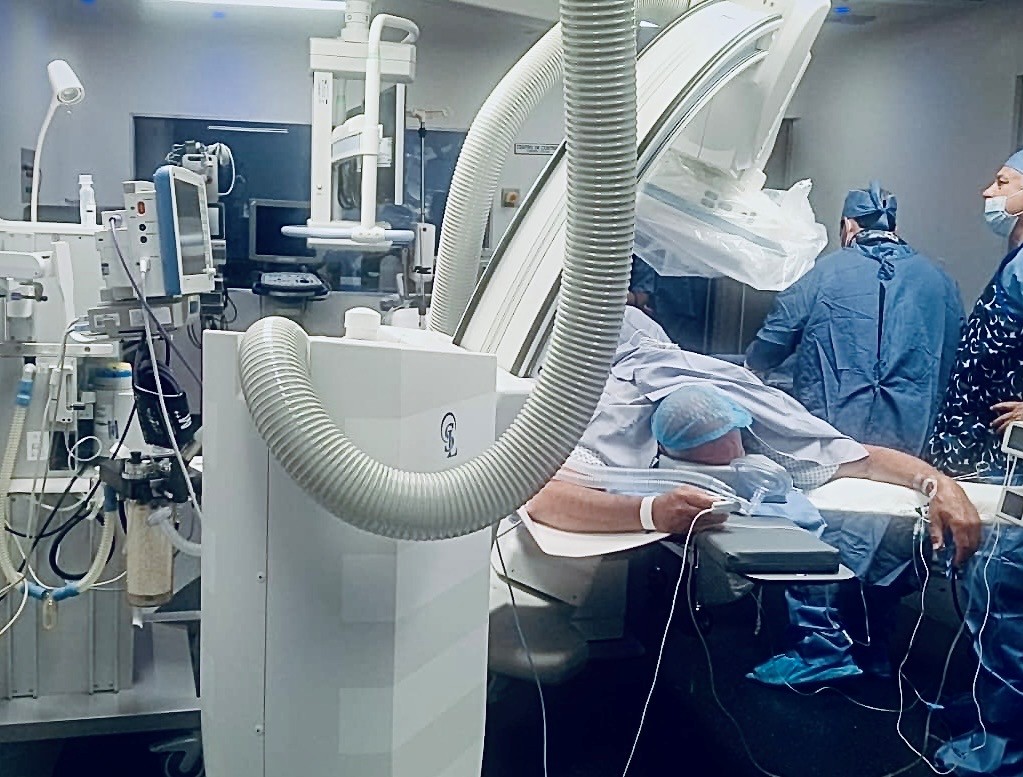
I’m excited to introduce Regenerative Disc Therapy at Longevity Medical Institute, an advanced treatment combining COOLIEF® TransDiscal® Disc Biacuplasty with regenerative biologics, including stem cells, exosomes, and PRP. It’s designed for carefully selected patients whose pain truly originates from the disc itself.
That last phrase matters more than anything else in this newsletter. Here’s why.
Your MRI May Not Be the Whole Story
For those of you who’ve had an MRI with us, you may have seen terms on your report like degenerative disc disease, disc protrusion, or disc bulge. You may also have seen a Pfirrmann grade, a scale from 1 to 5 that describes how much a disc has degenerated, with 5 being the most advanced.
Disc degeneration is an extremely common finding. Here’s the interesting part.
We see patients with a Pfirrmann grade of 2 or 3 who have significant, debilitating pain. And we see patients graded 4 or 5 who have no pain at all.
Why? Because the grade describes the disc. It doesn’t describe your pain.
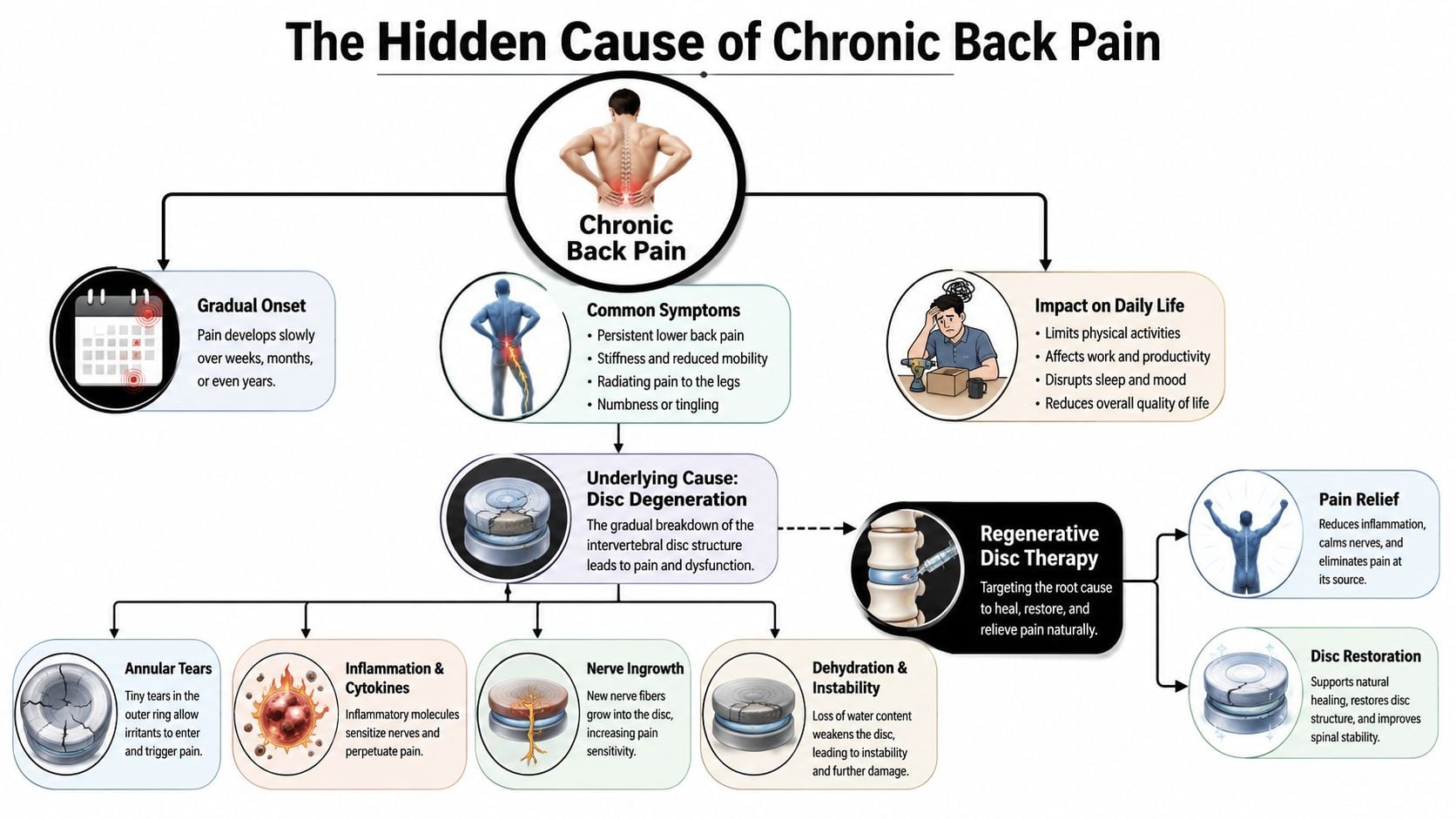
In some people, pain-sensitive nerve fibers grow into the outer layer of a damaged disc, places they don’t normally exist, along with inflammation. That’s what turns a structural finding into a pain generator. In others, the same degeneration stays quiet. And we see this across every age group, because it depends on many factors, including athletic history, body composition, genetics, activity, and how your body has aged.
This is the most important principle: we treat patients, not MRI scans.
When the Disc Becomes the Pain Generator
Your discs are the spine's shock absorbers. Every step, every bend, every suitcase lifted, every golf or tennis swing, every heavy lift at the gym - they absorb tremendous force while letting your spine move smoothly.
With age, discs lose hydration and elasticity, and microscopic tears can develop in the outer layer (the annulus fibrosus). Because discs have very limited blood supply, they heal far more slowly than muscle or skin. In some people, inflammation develops inside the damaged disc and pain-sensitive nerve fibers grow into areas where they don’t normally exist. Physicians call this discogenic pain, meaning pain originating from the disc itself.
Patients often describe a deep ache across the lower back that worsens with prolonged sitting, bending, lifting, or standing up from a chair. Sitting actually places more pressure on the lumbar discs than standing, which is why long flights and car rides are among the most common complaints we hear.
When Conservative Care Isn’t Enough
For many people, conservative treatment is the right first step. Physical therapy, exercise, and weight management may provide meaningful relief. But when pain persists after months of conservative care, many patients believe surgery is the only remaining option.
It isn’t. Advances in minimally invasive spine procedures, like our Regenerative Disc Therapy, have opened real alternatives for carefully selected patients.
Why Many Patients Want to Avoid Spinal Fusion
When conservative care stops working, the conversation often turns to surgery, usually removing the damaged disc and fusing the vertebrae together. For some patients, that could be the right answer, and we will tell you so.
But fusion comes with a trade-off worth understanding.
Fusing two vertebrae stops the motion between them. That motion does not disappear. It gets transferred to the discs above and below. Over years, those neighboring discs absorb extra work they weren’t designed for, and they can begin to wear down themselves. Spine surgeons call this adjacent segment disease, and it is one of the most common long-term concerns after fusion.
Fusion is also difficult to undo. Once a segment is fused, that decision is largely permanent.
None of this means surgery is wrong. It means surgery is a significant step, and for carefully selected patients, it is worth knowing whether a less invasive option might help first, while preserving every option you have.
What Is Disc Biacuplasty?
COOLIEF® TransDiscal® Disc Biacuplasty is a minimally invasive outpatient procedure built specifically for chronic discogenic low back pain. Using cooled radiofrequency technology, our physicians precisely target the painful outer portion of the damaged disc to reduce abnormal pain signaling while preserving the spine’s natural anatomy. No hardware is implanted. No disc is removed. Patients typically go home the same day.
The clinical research has been encouraging. Randomized controlled trials have shown significantly greater improvements in pain, physical function, and disability compared with conventional medical management. A prospective series of 117 patients showed durable improvement in both pain and disability over two years, and for some up to five years.
Why We Add Regenerative Medicine
We asked ourselves a simple question: if Disc Biacuplasty reduces the pain signals coming from a damaged disc, could stem cells and exosomes also improve the biological environment inside that same disc?
That question became our Regenerative Disc Therapy program.
Our types of stem cells have been evaluated in multiple human clinical studies for discogenic low back pain. Rather than acting like a pain medication, they release hundreds of biologically active signaling molecules that help regulate inflammation, influence immune activity, and support natural healing. Exosomes add further cellular communication through proteins, growth factors, and microRNA, while PRP contributes a concentrated source of your own growth factors.
A recent systematic review of 736 patients treated with intradiscal mesenchymal stem cells showed meaningful improvements in pain, physical function, and quality of life, alongside an excellent safety profile. More recent meta-analyses of randomized trials have similarly shown significantly greater improvements in pain and disability compared with placebo.
The two approaches work through complementary mechanisms. Biacuplasty quiets chronic pain signaling, while stem cells, exosomes, and PRP work to improve the disc’s biological environment. Combining them lets us address both the source of the pain and the body’s capacity to heal.
When One Fusion Leads to the Next Conversation
This is not theoretical for us.
One of our patients had already been through a two-level lumbar fusion. Some time later, the disc at the adjacent level began causing problems, the exact pattern described above. They were told the next step was another fusion.
They didn’t want to go through it again.
Instead, they chose Regenerative Disc Therapy. They went home the same day.
Consider the two paths in front of that patient. A second fusion would have meant a hospital stay of two to four days, roughly four to six weeks before returning to a normal routine, three to six months before physically demanding activity, and bone that continues to fuse and solidify for twelve to eighteen months. It would also have meant one more immobile segment, and one more adjacent disc absorbing the load.
Disc Biacuplasty is an outpatient procedure of about 60 to 90 minutes. Most patients need only a few days off work. Nothing is removed, nothing is implanted, and the natural anatomy of the spine is preserved.
While there is little to no downtime, it’s important to understand the full healing cycle goes on for several months or more. For those of you who have received stem cells or exosomes with us, this will sound familiar, because we explain that the signaling effects unfold over several months as your body does the work of healing. The regenerative component here behaves the same way. But no bridges are burned.
We have performed a small number of these procedures to date, and our early results have been extremely encouraging, however, we are not going to pretend that a few patients constitute a success rate for everyone. Still, in randomized human trials, the majority of carefully selected patients experienced meaningful pain relief and mobility improvement.
But consider the asymmetry. If a fusion does not deliver what you hoped, you still live with a permanently fused spine and the stress it transfers to neighboring discs. If this procedure does not deliver what you hoped, your anatomy is unchanged and every option you had before remains open to you.
That is why we believe it deserves to be on the table before a second fusion is, or even a first.
A Patient’s Story
We were honored to receive this note from Daniel Miller, a retired Special Forces veteran treated at our clinic.
“As a retired Special Forces veteran, I’ve spent years living with the physical toll of military service. From the moment I arrived, Dr. Felix Porras and his team treated me like family, not just a patient.”
“I arrived in a wheelchair, uncertain about my future. By the time I left, I was walking on my own and swimming in the ocean. That transformation gave me hope, confidence, and a quality of life I thought I had lost.”
“The facility is world-class, but what truly makes Longevity Medical Institute special is its people. Thank you for helping me regain my mobility, my independence, and a part of my life that I thought was gone forever.”
— Daniel Miller, U.S. Army Special Forces (Ret.)
Why This Procedure Requires a Full Surgical Team
Minimally invasive doesn’t mean simple. This procedure targets structures measured in millimeters, and precision is everything.
Every Regenerative Disc Therapy procedure here is performed in a fully licensed operating room using advanced C-arm fluoroscopy, a real-time imaging system that lets our physicians continuously visualize the spine and confirm the cooled radiofrequency probes are positioned accurately before treatment begins.
Each procedure is performed by two physicians working together, supported by a dedicated radiologic technologist, surgical room nurse, and anesthesiologist. It is minimally invasive, but it demands the same meticulous planning and coordination as a hospital-based spinal fusion program.
A Personalized Approach
No two patients, and no two spines, are alike. Our goal is never to recommend the most aggressive treatment, but the one most appropriate for your diagnosis, symptoms, lifestyle, and long-term goals.
A Personal Note
My book, The Language of Healing: The Complete Patient's Guide to Understanding Stem Cells, Regenerative Medicine, and the Science of Aging Well, launched a little over a month ago. It has already sold more than 900 copies and earned twenty-six 5-star reviews, while holding the #1 spot in Amazon's Hot New Releases. What means the most to me is that 100% of proceeds go to a fund providing regenerative care for active military members and veterans. To those of you who bought a copy: thank you.
You can download it, or pick up the paperback or hardcover, on Amazon or Apple Books. The audiobook is now available on Apple Books, Spotify, and more!
A friend who gave the book a thoughtful, extensive review and shared it widely told me it was the second-best book he's ever read, behind only The Art of War. He also made a good point: our clinic is in Mexico, so the book should be in Spanish. It now is.
El Lenguaje de la Sanación: La Guía Completa del Paciente para Comprender las Células Madre, la Medicina Regenerativa y la Ciencia de Envejecer Bien is available in eBook, paperback, hardcover, and audiobook on the same platforms as the English edition.
If the book meant something to you, the most valuable thing you can do is leave an honest review. Reviews are how it reaches the people searching for real answers: a patient trying to make sense of their options, a caregiver doing late-night research, a veteran wondering what's possible. Your words help the right people find it.
If chronic low back pain has been limiting your ability to travel, stay active, or simply enjoy everyday life, we invite you to book a free online consultation with Ivanna or you reach out to any of our patient coordinators: Nico, Roman, and Erick.
Tus comentarios marcan la diferencia
Nos enorgullece compartir que ya hemos recibido múltiples reseñas de cinco estrellas — ¡gracias a todos los que se han tomado el tiempo de apoyarnos!
Como clínica nueva, sus comentarios positivos no solo significan mucho para nosotros, sino que también ayudan a aumentar nuestra visibilidad en línea para que más personas puedan descubrirnos.
Si ha tenido una experiencia positiva en Longevity Medical Institute, le agradeceríamos sinceramente su opinión. Selecciona el botón de abajo para Deja una reseña en Google
Vea más de nuestros artículos
Mantente al día y consulta nuestros materiales educativos más recientes.
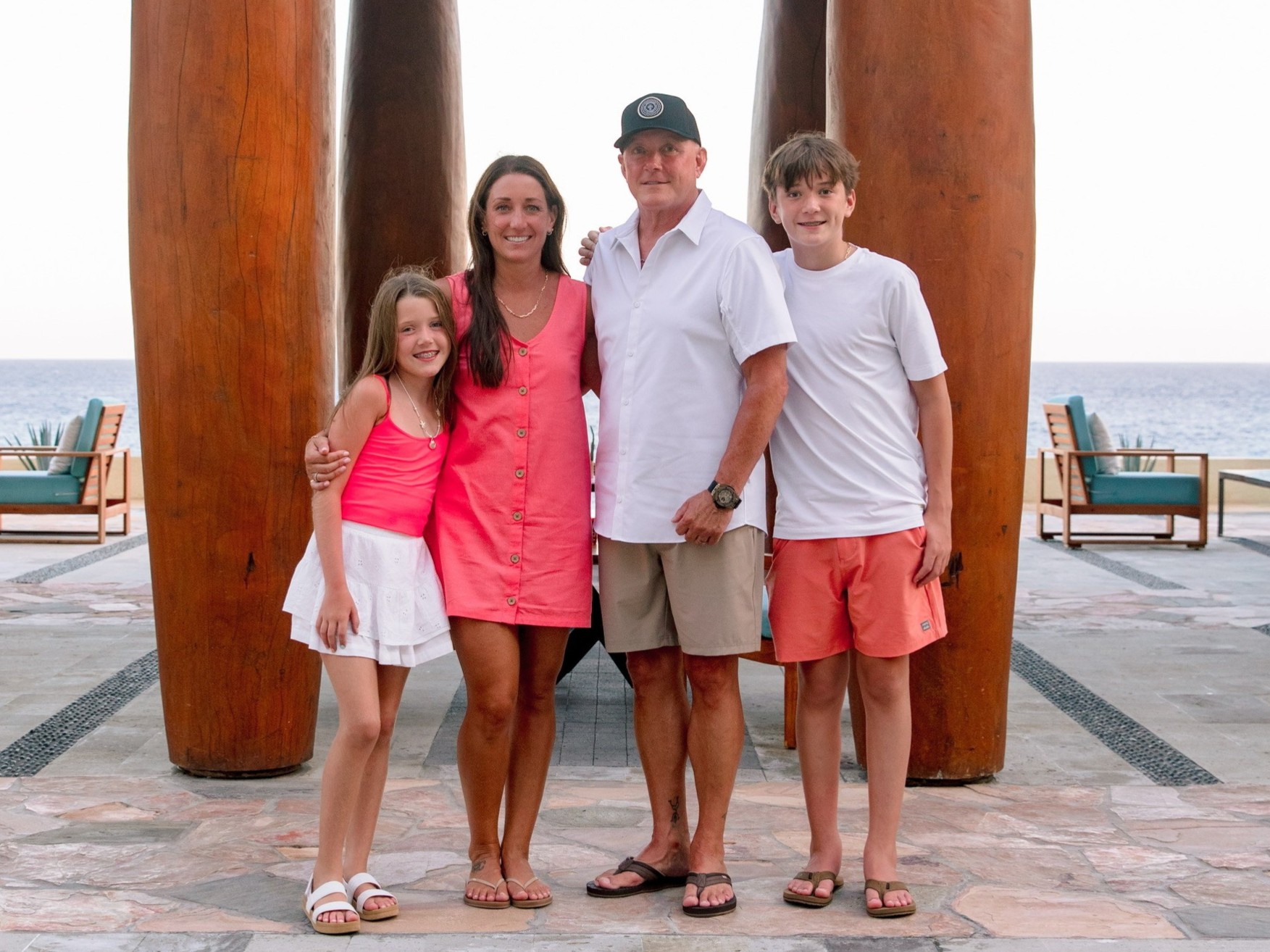
Luchando contra el párkinson y documentando el viaje de un año de Brent
Actualmente no existe cura para el Parkinson, lo que hace que cada avance en la vida diaria de Brent sea especialmente significativo.
La historia de Brenee y su lucha contra la fibrosis pulmonar familiar
Se trata de una enfermedad terminal y actualmente incurable, pero Brenee se niega a permitir que ese diagnóstico le arrebate la esperanza.
Can Stem Cells Help With Aging?
What The Research Shows, Why The Fundamentals Come First, And My 80/20 Rule
Uniendo la experiencia de la medicina tradicional con las innovaciones del mañana.
Con décadas de experiencia que abarcan decenas de miles de casos de pacientes, nuestros médicos brindan una atención de profundidad sin igual.