

Understanding Stem Cell Therapy Side Effects: A Patient's Guide
When investing in your long-term health with a forward-thinking approach like regenerative medicine, it’s completely natural to ask: what are the potential side effects of stem cell therapy?
The truth is, most patient experiences involve little more than mild, temporary reactions—clear signs that the body’s powerful healing mechanisms have been activated. More significant risks are quite rare and almost always linked to the quality and expertise of the clinic performing the treatment. Understanding this distinction is the key to making a confident, informed decision.
A Realistic Look at Side Effects
Think about the body’s response to a new and beneficial challenge, like an intense workout. You expect some muscle soreness afterward, which is a clear signal that repair and growth are underway. In a similar way, the most common reactions after stem cell therapy are indicators that powerful biological processes have been switched on.
Our philosophy is built on complete clinical transparency. We believe every patient deserves a clear, honest understanding of what to expect—both the common responses and the rare but serious risks. This empowers you to move forward with knowledge, not uncertainty.
Two Tiers of Potential Effects
It’s helpful to think about potential side effects in two very different groups:
- Common, Mild Healing Responses: These are typically short-lived and directly related to the body’s natural inflammatory and repair process. This can include temporary soreness, redness, or swelling at an injection site, or mild fatigue after an IV infusion. We see these as normal, positive signs of the regenerative process kicking into gear.
- Rare, Preventable Issues: Less common adverse events are almost always associated with a lack of proper clinical standards. These can include infection from non-sterile techniques or an unwanted immune reaction. Choosing a clinic with rigorous quality controls, a certified lab, and physician-led protocols is the single most important factor in preventing these issues.
Your experience is shaped by several factors: the type of cells used (your own vs. donor), the administration method (injection vs. IV), and your individual health profile. A truly personalized treatment plan is designed to account for these variables, maximizing both safety and therapeutic potential.
Side Effects at a Glance: Short-Term vs. Long-Term
To help you better understand the landscape of what to expect, we've broken down potential side effects by their typical onset and duration. This table provides a quick overview, separating the common, transient responses from the more serious but rare possibilities.
.tbl-scroll{contain:inline-size;overflow-x:auto;-webkit-overflow-scrolling:touch}.tbl-scroll table{min-width:600px;width:100%;border-collapse:collapse;margin-bottom:20px}.tbl-scroll th{border:1px solid #ddd;padding:8px;text-align:left;background-color:#f2f2f2;white-space:nowrap}.tbl-scroll td{border:1px solid #ddd;padding:8px;text-align:left}CategoryCommon ExamplesTypical Onset & DurationShort-Term Healing ResponsesLocalized soreness or swelling at injection siteMild fatigue or flu-like feeling after IVTemporary headacheOnset: First 24-48 hoursDuration: Typically resolves in 1-3 daysLong-Term & Rare RisksInfection (from poor sterile technique)Unwanted immune reactionFormation of inappropriate tissue typeOnset: Can vary from days to monthsDuration: May require medical interventionNote: Extremely rare in a high-quality clinical setting
Remember, the goal of a premier clinic isn't just to perform a procedure; it's to manage your entire experience. This includes anticipating common responses, providing clear aftercare instructions, and having robust protocols in place to ensure your safety from start to finish.
To appreciate how a high-quality clinical environment directly translates to a safer journey, it helps to understand the foundational science. You can explore how stem cell education is made simple in our detailed guide, which provides the clarity needed to make an empowered choice.
Common Short-Term Reactions After Treatment
After any regenerative procedure, it’s completely normal to pay close attention to what your body is feeling. Understanding the most common, temporary responses is a key part of the process, helping you feel prepared and confident as your body begins its work.
Far from being a cause for concern, these short-term effects are typically mild and often represent the very first positive signs that your body’s healing intelligence has been switched on.
Think of it like the day after a particularly effective workout. You might feel some muscle soreness, but you recognize this isn't an injury. It’s a clear signal that your muscles are responding, repairing, and growing stronger. In much the same way, the initial reactions to stem cell therapy are often the first whispers of a powerful regenerative process getting underway.
Localized Responses at the Injection Site
For treatments aimed at a specific joint or tissue—like an arthritic knee or an injured shoulder—it's quite common to experience some localized reactions. These responses are confined to the area where the cells were administered and are a direct result of the body’s immediate and productive response.
These temporary effects can include:
- Soreness or Aching: This is the most common reaction, typically lasting for 24 to 72 hours.
- Minor Swelling or Redness: A sign of increased blood flow and cellular activity as your body's repair crew gets to work.
- A Feeling of Fullness: This is especially common in joint injections as the therapeutic cells are introduced into the joint capsule.
In a premier clinic, these responses are not only anticipated but expertly managed. We use precision guidance techniques, such as high-resolution ultrasound, to ensure the cells are delivered exactly where they are needed. This minimizes any unnecessary tissue disruption and discomfort.
Our team provides you with detailed aftercare instructions to help you manage these normal healing responses. For a deeper dive into what to expect, you can read our guide on the recovery time after a stem cell injection.
Systemic Reactions After an IV Infusion
When stem cells are delivered intravenously (IV), they are able to travel throughout your entire body, naturally migrating to sites of inflammation and injury. Because this initiates a body-wide response, the temporary side effects can be more systemic, though they remain generally mild.
It helps to think of it like the feeling you get when your body is kicking a cold into gear. You might feel a bit tired or run down as your immune system works overtime. In the same way, an IV infusion of stem cells can trigger a broad, beneficial immune and inflammatory response that might make you feel a little "under the weather" for a day or two.
Key Takeaway: The short-term side effects of stem cell therapy are generally mild and transient. Common symptoms vary by administration route, including fatigue, headache, chills, and low-grade fever, while local injections may cause temporary pain or swelling at the site. To understand more about the general safety profile, you can explore detailed findings on stem cell therapy reactions.
These systemic reactions are signs that the cells are actively communicating with your body and signaling the start of a deep, cellular healing process. They are a completely normal part of the experience and typically resolve on their own within a few days. Our clinical team monitors you closely after your procedure to ensure your comfort and provide any supportive care needed as your body begins to harness the therapy's regenerative potential.
How Different Therapies Influence Potential Risks
In regenerative medicine, the type of therapy you receive is the single biggest factor influencing both its potential for success and its risk profile. This isn't a world of one-size-fits-all solutions. A physician-led clinic uses advanced diagnostics to select the right tool for the job, a decision that is fundamental to your safety and outcome.
Understanding the differences between these tools—from the cells themselves to the specific products used—is the first step toward making a confident and informed choice about your health.
Your Own Cells vs. Donor Cells
One of the first clinical decisions is the source of the cells. We can either use your own cells (autologous) or cells from a young, healthy, pre-screened donor (allogeneic). Each path has clear implications for safety and effectiveness.
- Autologous Therapy: We can harvest cells directly from your own body, usually from fat tissue or bone marrow. Since the cells are yours, there is virtually zero risk of an immune reaction or rejection. However, the quality of your cells is tied to your age and health. The procedure itself also involves an invasive harvest, which comes with its own minor risks and discomfort.
- Allogeneic Therapy: This approach uses potent, vibrant cells sourced from donated umbilical cord tissue. These cells are screened in a certified lab to guarantee they are free of any pathogens. While they aren’t your own, Mesenchymal Stem Cells (MSCs) from this source are “immune-privileged,” meaning they have an extremely low chance of causing an immune reaction. This gives us access to a high concentration of powerful cells without needing to perform a harvest procedure on you.
Comparing Different Regenerative Products
Beyond just the cell source, the specific product—be it Mesenchymal Stem Cells (MSCs), Natural Killer (NK) Cells, or Exosomes—carries a distinct safety profile. Each is chosen for a highly specific biological purpose.
To give you a better sense of how your body might respond, the chart below shows the general pathway from treatment to post-procedure effects.
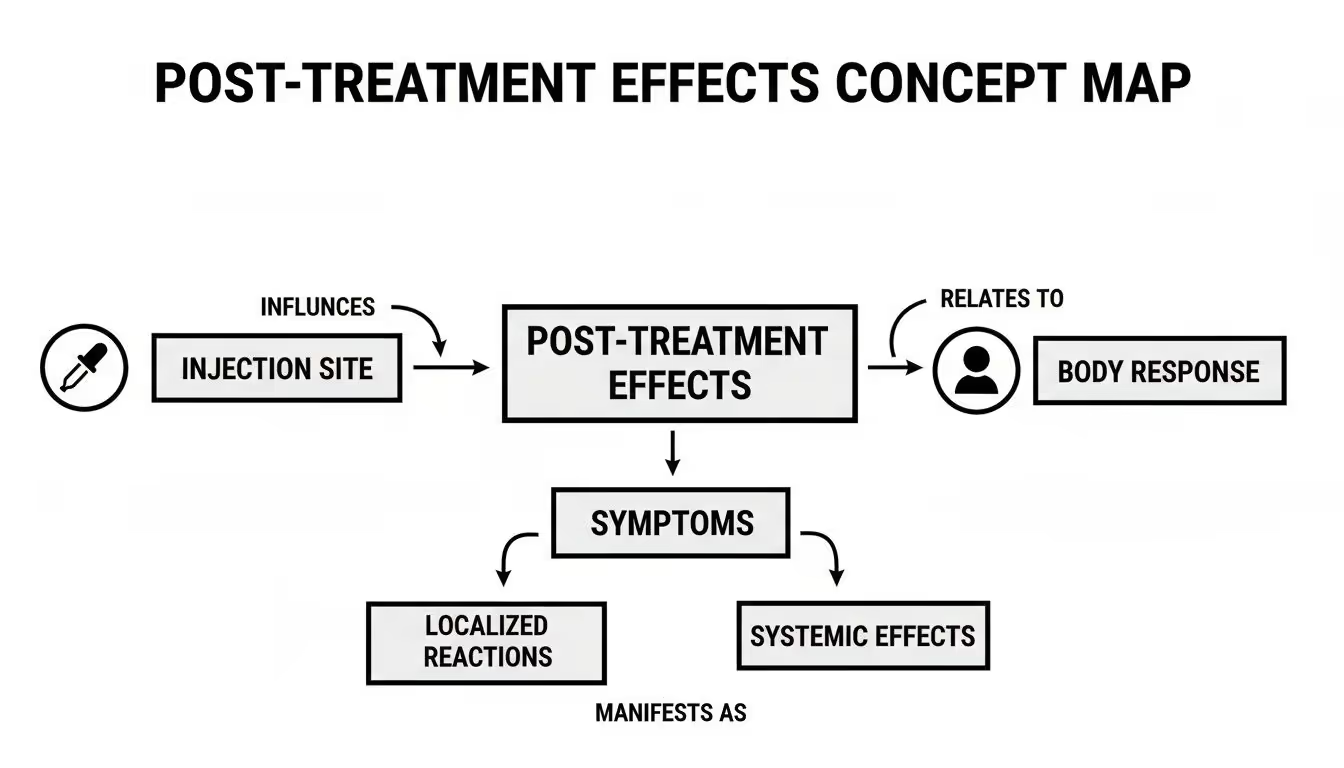
As you can see, your experience is shaped by both the direct, localized effects at the injection site and your body’s broader systemic response.
To make these distinctions clearer, here's a direct comparison of the primary regenerative therapies we use and their associated risk profiles.
Risk Profile by Regenerative Therapy Type
.tbl-scroll{contain:inline-size;overflow-x:auto;-webkit-overflow-scrolling:touch}.tbl-scroll table{min-width:600px;width:100%;border-collapse:collapse;margin-bottom:20px}.tbl-scroll th{border:1px solid #ddd;padding:8px;text-align:left;background-color:#f2f2f2;white-space:nowrap}.tbl-scroll td{border:1px solid #ddd;padding:8px;text-align:left}Therapy TypePrimary SourceCommon Potential Side EffectsKey Safety ConsiderationMesenchymal Stem Cells (MSCs)Umbilical Cord TissueMild fatigue, temporary low-grade fever after IV infusion.The most widely studied regenerative cells; reactions are typically signs of immune modulation.Natural Killer (NK) CellsUmbilical Cord BloodTemporary flu-like symptoms (chills, body aches, fatigue).Symptoms indicate the cells are actively targeting and clearing dysfunctional cells.ExosomesMSC Culture MediaMinimal; temporary soreness if injected locally.Acellular (no cells), giving them an exceptionally high safety profile with a very low risk of immune reaction.
Now, let's explore what these experiences feel like in a bit more detail.
Mesenchymal Stem Cells (MSCs)
MSCs are the workhorses of regenerative medicine, known for their incredible ability to quiet inflammation and signal tissue repair. When we administer MSCs, the most common reactions are mild and fleeting, such as a bit of fatigue or a brief, low-grade fever, especially following an IV infusion. These are actually positive signs that the cells are actively working to modulate your immune system.
Natural Killer (NK) Cells
NK Cell therapy is a highly specialized protocol designed to find and eliminate senescent—or old and dysfunctional—cells. Because it’s designed to actively engage your immune system, you can expect a more noticeable response. It’s common to experience temporary, flu-like symptoms like chills, body aches, and fatigue for a day or two. This is a clear signal that the NK cells are doing their job effectively.
Exosome Therapy
Exosomes are a completely different tool. They aren't cells at all, but microscopic messengers that carry repair signals between cells. They are valued for their ability to orchestrate healing without introducing whole cells into the body. For a deeper look at how they work, you can explore our detailed comparison of Exosomes vs Stem Cells.
Because they are acellular (contain no whole cells), exosomes boast an exceptionally high safety profile. The risk of an immune reaction is extremely low, and side effects are almost always minimal, typically limited to the same temporary site reactions seen with any other injection.
Ultimately, your physician will determine the most appropriate therapy based on a complete diagnostic workup of your health status and goals. This personalized approach is the very foundation of safe and effective regenerative medicine. By carefully selecting the right tool for your specific biological needs, we can confidently manage and mitigate potential risks while aiming for the best possible outcome.
Examining the Evidence on Long-Term Safety
While the vast majority of side effects in modern regenerative medicine are mild and temporary, it's essential to have an honest clinical discussion about potential long-term risks. Stories of serious complications often grab headlines, but these cases are exceptionally rare and almost always trace back to unregulated clinics or risky experimental treatments that don't meet today's rigorous safety standards.
Understanding this context is crucial. Our goal isn't to create alarm but to empower you with a clear, evidence-based perspective. When you look at the facts, you'll see why a deep commitment to scientific rigor, cell quality, and physician oversight is the most important factor in safeguarding your long-term health.
The Critical Difference Between Cell Types
Much of the public anxiety around long-term risks—specifically tumor formation—stems from early research involving embryonic stem cells. These cells are pluripotent, which means they have the raw potential to become any type of tissue in the body. While powerful, this uncontrolled potential carries an inherent risk of forming inappropriate tissue or tumors (teratomas) if not managed perfectly.
At Longevity Medical Institute, we exclusively use adult Mesenchymal Stem Cells (MSCs) sourced from umbilical cord tissue. These are multipotent, not pluripotent. This is a crucial distinction—MSCs are pre-programmed to develop only into specific cell lines like cartilage, bone, and connective tissue, and they possess natural anti-tumor properties.
This fundamental biological difference means the adult MSCs we use in our practice have a completely different and far more established safety profile, with a much lower risk of uncontrolled growth. The concerns linked to embryonic cells simply do not apply to the therapies we administer. To better understand this important topic, you can read our detailed article about the connection between stem cells and cancer.
Lessons from Unproven Therapies
The most serious documented long-term side effects have overwhelmingly happened when patients received unproven treatments at unregulated facilities. These unfortunate cases are a stark reminder of the hazards of bypassing established clinical protocols. For instance, a 2018 analysis documented 35 cases of severe complications or death from unproven stem cell treatments, including issues like vision loss, infections, and cancer.
Another well-documented case involved a man who developed a benign spinal cord tumor 12 years after receiving an experimental stem cell treatment, highlighting the delayed nature of some complications. These incidents serve as powerful reminders that while some adverse events arise from the procedure itself, others can stem directly from the cells used. You can read more about the long-term risks of experimental therapies to understand why clinic quality is paramount.
These examples underscore why we adhere to the highest possible standards for every single aspect of your care.
The Role of Rigorous Protocols and Monitoring
Ensuring long-term safety isn't a passive process; it's an active commitment built on rigorous protocols. From the moment a donor is screened to the final administration of your therapy, every step is governed by strict quality controls designed to eliminate risk.
Our safety framework includes:
- Comprehensive Donor Screening: All donated umbilical cord tissue undergoes extensive testing for infectious diseases and genetic abnormalities, exceeding industry standards.
- Certified Laboratory Processing: Our in-house, COFEPRIS-licensed laboratory processes and cultures cells in a sterile, controlled environment to prevent contamination and guarantee cell viability.
- Physician-Led Care: Every treatment is overseen by a team of specialist physicians who evaluate your health and create a personalized protocol designed for maximum safety.
This deep commitment to quality is the cornerstone of responsible regenerative medicine. By choosing a clinic that puts science, transparency, and patient safety above all else, you can confidently explore the benefits of stem cell therapy while minimizing the potential for any long-term stem cell therapy side effects.
How Clinic Quality Minimizes Side Effects
Understanding the potential side effects of stem cell therapy is important, but knowing how a premier clinic actively works to prevent them is what truly builds confidence. The quality of the clinic—its expertise, its lab, and its standards—is the single most significant factor in ensuring your safety.
Choosing a clinic isn't just about the treatment itself. It's about selecting a partner with an unwavering commitment to your health and well-being from start to finish.
A top-tier regenerative medicine clinic operates on a foundation of non-negotiable standards. These are the markers of excellence that separate a truly clinical institution from a simple treatment provider, and they directly influence your safety profile.
The Foundation of Safety: Licensing and Lab Certification
The bedrock of any trustworthy clinic is its official regulatory standing. A clinic must hold all necessary government licenses, which confirm it meets stringent requirements for medical practice, facility safety, and ethical conduct.
This extends to the laboratory where the cells are processed. An on-site lab provides a huge safety advantage, allowing for real-time quality control and minimizing the risks that come with transporting delicate biological materials. You can learn more about how our biotechnology stem cell lab in Mexico operates under these strict standards.
Rigorous Donor and Product Screening
For any therapy using allogeneic (donor) cells, the screening process is a critical safety checkpoint. At a high-caliber clinic, this is a multi-layered process designed to protect you.
It involves:
- Comprehensive Donor Vetting: Potential donors undergo meticulous health evaluations and genetic screening to rule out any underlying conditions.
- Extensive Pathogen Testing: All donated tissue, like an umbilical cord, is rigorously tested for a full panel of viruses, bacteria, and other contaminants. This ensures the final cell product is absolutely pure and sterile.
- Guaranteed Cell Viability and Purity: The lab provides a Certificate of Analysis (COA) for each batch of cells, detailing their identity, potency, and confirming they are free from contaminants.
This exhaustive screening is your best defense against the risk of infection. It's a non-negotiable part of responsible regenerative medicine.
Clinical Insight: The landscape of adverse events is heavily influenced by the type of cells used and the specific condition being treated. A comprehensive meta-analysis of trials for spinal cord injuries found that while severe events were uncommon, issues like transient backache were prevalent. This highlights why a clinic's expertise in selecting the right cell type and managing protocol-specific risks is essential. Discover more about the detailed findings on stem cell therapy safety in clinical trials.
Precision and Physician Oversight
Finally, the skill of the physician administering the therapy plays a vital role. A multidisciplinary medical team ensures your treatment plan is not only personalized but also executed with the highest level of clinical precision.
For orthopedic treatments, this means using advanced imaging like high-resolution ultrasound to guide injections. This technology allows the physician to see the target tissue in real-time, ensuring the cells are delivered exactly where they are needed most. This precision minimizes disruption to surrounding tissue, reduces discomfort, and lowers the risk of localized stem cell therapy side effects like excessive swelling or pain.
This physician-led approach guarantees your safety is the primary consideration at every single step.
Your Questions About Stem Cell Therapy Answered
Exploring regenerative medicine is an important step, and it’s natural to have questions. This section is designed to provide clear, straightforward answers to the inquiries our patients most frequently have, so you can feel confident and informed about the path ahead.
We believe a well-informed patient is an empowered one. Our commitment is to complete transparency, ensuring you feel secure and knowledgeable at every point in your health journey.
How Painful Are Stem Cell Injections?
Most of our patients are pleasantly surprised by how comfortable the procedure is. The sensation is often compared to a standard cortisone shot—minimal and very manageable. Your comfort is a clinical priority, and we take specific measures to ensure the experience is as painless as possible.
We always apply a local anesthetic to numb the injection site before we begin. For joint treatments, we use high-resolution ultrasound to guide the needle with absolute precision. This isn't just about safety; it ensures we avoid irritating surrounding tissues, which makes the entire process more comfortable for you.
It's normal to feel some temporary soreness at the site afterward, but we'll give you clear aftercare instructions to manage it, including simple rest and activity modifications.
What Happens If I Have an Unexpected Reaction?
Your safety is the absolute foundation of everything we do. We've built a robust clinical infrastructure to handle any situation, which starts with careful monitoring by our medical team right after your procedure. This observation period lets us ensure you’re responding well before you leave the clinic.
In the extremely rare event of an unexpected or adverse reaction, our physician-led team is fully equipped to manage it. With an in-house clinical laboratory, we can assess, diagnose, and address any issue immediately.
Our support doesn’t stop when you walk out the door. We have clear communication protocols in place, especially for our international patients, to provide continuous guidance after you return home. You’ll feel secure throughout your entire recovery journey.
What Side Effects Should I Watch for After Treatment?
Knowing what to expect is key. After your therapy, we’ll provide a clear list of what to monitor at home so you can easily tell the difference between a normal healing response and a sign that requires our attention.
- Normal Healing Responses: It's completely normal to experience some mild and temporary soreness, redness, or swelling at an injection site. After an IV infusion, you might feel some general fatigue. These are all good signs that your body’s regenerative engines are firing up.
- Red Flags to Report: While very uncommon, it’s important to know the signs that warrant a call to our team. This would include a high fever (above 101°F or 38.3°C), redness or heat that spreads from the injection site, or any severe or escalating pain. Every patient leaves with direct contact information and clear instructions.
Are Side Effects Different for Older Patients?
This is a great question, as many of our patients are looking for solutions to age-related conditions. The potential for stem cell therapy side effects isn't necessarily tied to your age; it’s much more dependent on your individual health status.
This is precisely why our entire process begins with a comprehensive diagnostic workup. This deep dive into your biology allows us to create a personalized health baseline and risk profile for every single patient.
Based on those results, we tailor your entire protocol—the cell type, the dosage, and the delivery method—to your unique physiology. This ensures we maximize both safety and efficacy, whether you're an elite athlete in your 30s or an older adult managing a chronic condition. Our safety standards are universal, but your treatment plan is always yours alone.
So, where does this leave you? After exploring the science, the applications, and the potential side effects, it’s understandable to feel both excited about the possibilities and cautious about the process. That's a good place to be.
The truth is, while any medical procedure has potential risks, the data on modern stem cell therapies shows that significant side effects are rare. The minor issues that can occur—like temporary soreness or fatigue—are almost always manageable and short-lived.
More importantly, your safety isn't a matter of chance. It’s a direct result of the clinical standards your chosen provider upholds. The single most important decision you will make is partnering with a true medical institution that prioritizes physician-led protocols, rigorous quality control, and absolute transparency.
Your health is not the place for compromise. By focusing on the quality and integrity of your clinical partner, you can move forward with confidence, empowered by knowledge rather than held back by fear.
Making an informed choice is the first real step toward reclaiming your health. It’s about finding a clinical team that sees you as a partner and is committed to a data-driven, personalized approach grounded in achieving the best possible outcome for you.
This is the foundation of our entire practice. We believe in providing a clear, supportive path so you can make decisions that align with your goals for a longer, healthier life.
We invite you to schedule a consultation with the Longevity Medical Institute to receive a personalized assessment and discuss your health goals in a safe, professional, and supportive environment. Begin your journey with us today.
Author
Dr. Kirk Sanford, DC — Founder & CEO, Longevity Medical Institute. Dr. Sanford focuses on patient education in regenerative and longevity medicine, translating complex therapies into clear, practical guidance for patients.
Medical Review
Dr. Félix Porras, MD — Medical Director, Longevity Medical Institute. Dr. Porras provides clinical oversight and medical review to help ensure accuracy, safety context, and alignment with current standards of care.
Last Reviewed: March 7, 2026
Short Disclaimer
This information is for educational purposes only and is not medical advice. It does not replace an evaluation by a qualified healthcare professional. For personalized guidance, please schedule a consultation.