

Fighting Parkinson’s and Documenting Brent’s One-Year Journey
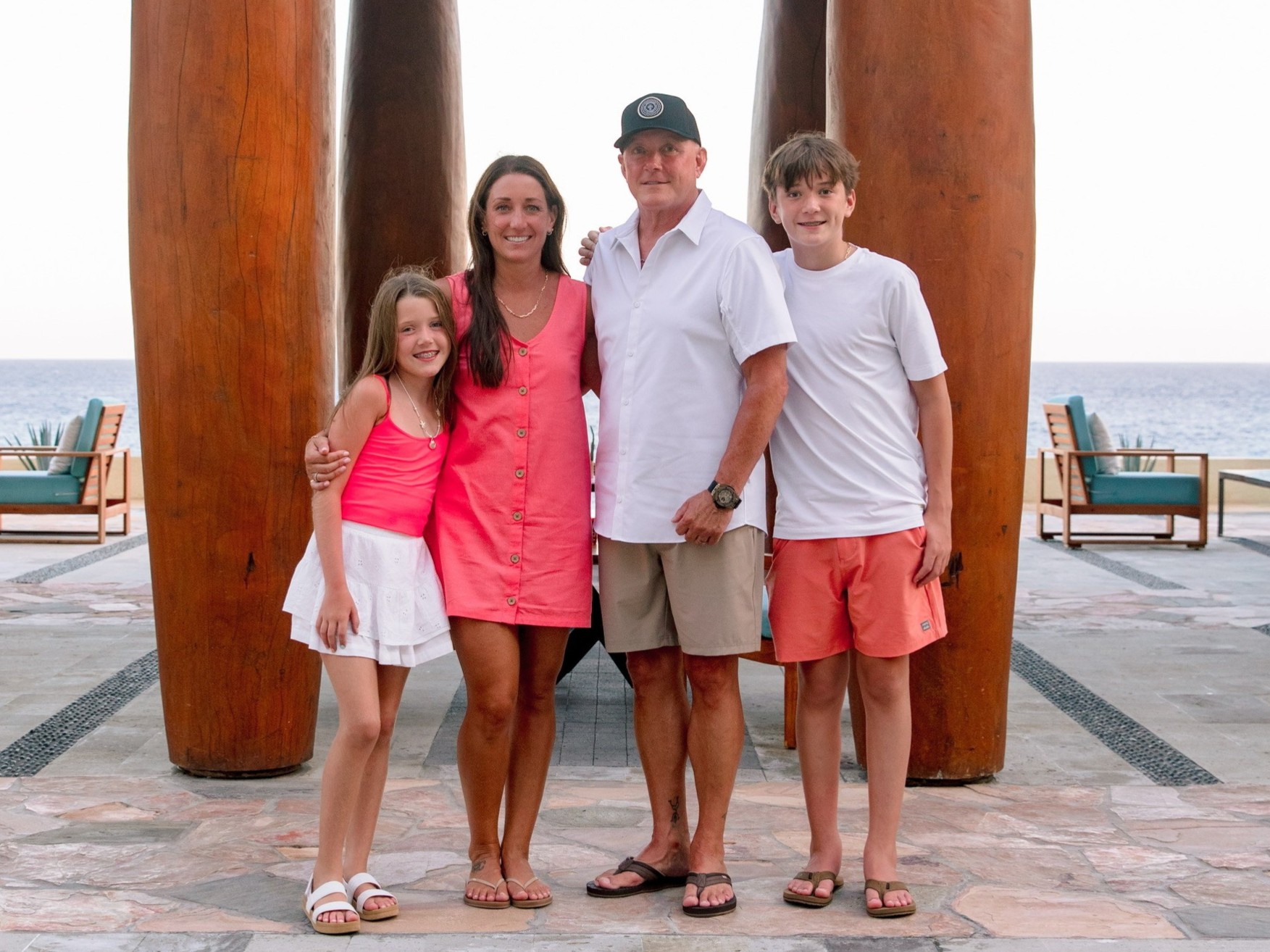
At 59, Brent had built a successful business. He had reached a point in life when he could spend more time enjoying what he had worked so hard to build and, most importantly, more time with his family.
About 18 months ago, he began noticing symptoms that something was wrong. It took more than a year of visits with neurologists before he received a diagnosis of Parkinson’s disease.
Brent knows other people who have lived with Parkinson’s. He has seen how it can progress and gradually take away things a person once did without thinking. He was not willing to sit around and wait to see whether that would happen to him.
Like Muhammad Ali, Michael J. Fox, actor Alan Alda, singer Neil Diamond, former NBA player Brian Grant, and millions of others who have faced Parkinson’s, Brent has chosen to fight and take an active role in what comes next.
The video shows Brent during his first week at Longevity Medical Institute. The subsequent video is his ten-day follow-up.
Brent wants to share where he started and let others follow his journey over the next year, hoping his experience might help people facing Parkinson’s. When you hear him speak, you’ll understand what’s at stake for him. It’s his quality of life.
What Parkinson’s Does to the Body
Parkinson’s is a progressive neurological disease. It affects nerve cells in the brain that produce dopamine, a chemical that helps coordinate movement. As those cells are lost, movements that once felt automatic can require more effort. A person may develop a tremor, stiffness, slower movement, changes in walking or balance, and difficulty with fine motor tasks such as writing or buttoning a shirt.
The effects reach beyond movement. Parkinson’s can also affect sleep, mood, energy, digestion, and a person’s confidence in their own body. Symptoms vary from person to person and can fluctuate from day to day. It can be difficult to know what tomorrow will feel like.
For Brent, the changes had become painfully specific. He had stopped trusting his left hand to pick up a glass of water without spilling it. His handwriting, something he had always taken pride in, had become a source of frustration. His tremor followed him into quiet moments at home, even when all he wanted was to hold his wife as they fell asleep.
That is the part of Parkinson’s that can be hard to convey in a medical description. It enters the smallest, most personal moments of someone’s life.
Why Treating the Brain Is So Challenging
Parkinson’s is challenging to treat for several reasons. By the time symptoms become noticeable, changes in the nervous system are already underway. The brain is also one of the most carefully protected organs in the body. The blood-brain barrier controls what can pass from the bloodstream into brain tissue. It helps protect the brain from harmful substances, but it also makes it difficult for many potential therapies to reach their intended target.
Researchers face that challenge across neurological diseases, including Parkinson’s, ALS, and Alzheimer’s. Developing a promising therapy is only part of the work. They must also determine how to deliver it to the nervous system and whether it can make a meaningful difference in a patient’s life.
One approach is intrathecal delivery, which requires the procedure to be done in our OR.
Another, less invasive, approach being studied is intranasal delivery.
Human studies have shown that certain substances delivered through the nose can reach the brain. In a 2025 PET imaging study, researchers tracked intranasal insulin into multiple brain regions. The question now is how reliably different therapies can use this route and what clinical benefit they may provide.
Early laboratory and human studies make intranasal delivery a promising area of research. We still need stronger human evidence to know how reliably regenerative therapies reach the brain, who might benefit, and whether this approach improves outcomes for people with Parkinson’s. As we learn more about the therapies and how to deliver them, we hope to help shape the research that comes next.
Brent’s First Week and His Plan for the Year
Conventional Parkinson’s medications can make a difference in managing symptoms. Levodopa, for example, helps many people move more easily and function better. But as Parkinson’s progresses, the relief from a dose may begin to wear off before the next one is due. Some people develop unpredictable periods when symptoms return, while others experience involuntary movements called dyskinesias. The medications can be adjusted, but they do not stop the underlying disease progression.
Brent told us he would like to come off his Parkinson’s medication because he believes that after several months of taking it, he's not getting the benefits for the reduction in tremors, and it affects his sleep and causes other side effects. We understood his concern, but we advised him to continue taking it as prescribed. His neurologist can review the sleep issues and his medication regimen, and we can reassess his overall progress together down the road.
That is what “integrative medicine” means to us. We combine the best of established conventional medicine with regenerative medicine. One does not necessarily have to replace the other.
His initial week combined regenerative therapies with peptides, nutraceuticals, and hyperbaric oxygen therapy. At home, he will continue work focused on exercise, strength, movement, balance, and metabolic health. Our goal is to support Brent as a whole person while paying close attention to the abilities that matter most in his daily life.
Every three months, Brent will return to LMI. We will document what he tells us, what his family and friends notice, and what we can measure. We will assess his movement, walking and gait, balance, tremor, grip strength, muscle mass, body composition, and overall physical function.
We are not handing Brent a fixed, year-long treatment schedule and hoping for the best. Our physicians will review his experience and assessments every three months, then decide how his program should evolve.
What Brent Experienced Ten Days Later
Ten days after his last treatment, Brent joined Dr. Fergie and me for the conversation in this second video. We began by asking him how he was doing. Here was his answer:
“I’m doing amazing. It’s really surprising, the change. I’ve noticed the change, and my friends notice the change. It’s unbelievable, really. I mean, I haven’t seen anything like this. You know, all the research that I’ve done and looking at all the people with Parkinson’s, it is really amazing.”
Then he told us about the night he arrived home.
“My last treatment was Wednesday last week. I flew home Thursday, went to bed with my wife, put my hand on her leg when we were falling asleep, and for over an hour, not one tremor. That hasn’t happened in over a year.”
“Not one tremor.” I keep coming back to those words because of what that hour meant to Brent. He could rest his hand on his wife’s leg without the tremors he had come to expect.
Then he told us about picking up a glass of water with his left hand and not spilling it. He had avoided doing that for at least a year because he could not count on his hand to stay steady.
Writing was another moment he wanted to share. Brent has always taken pride in his handwriting, and struggling with it had been frustrating. At the follow-up, he estimated that his writing was about 90% better. He also said his movement and flexibility felt more natural.
A steady hand on his wife’s leg. A glass of water. His own handwriting. These are the moments that brought home to me what Brent is fighting to hold on to.
Brent also spoke openly about the tremors he still experiences, particularly when he is stressed or cold. But he described a striking difference from where he started.
“The tremors are drastically reduced, and that’s all I can hope for. And every day I’m super thankful.”
He does not know what the next few months will bring. Neither do we. The video lets you hear both his excitement and his uncertainty directly from him.
What Happens Next?
We will see Brent again in three months and continue following him throughout the year. At each visit, we will compare his experiences at home with assessments of movement, gait, balance, tremor, grip strength, muscle mass, body composition, and physical function. His physicians will use what they learn to guide the next stage of his care.
In our review of published research and ongoing clinical trials worldwide, we have not found a protocol that matches the one our physicians designed for Brent. Will Brent continue to improve? Will his symptoms remain stable or progress more slowly? Or will his Parkinson’s continue to advance?
The answer is that we do not know.
We are encouraged by what Brent has described ten days after treatment, and we will take those early wins. But we are following him for a year because his story deserves more than a single encouraging update. We will share what changes, what we measure, and what Brent experiences along the way.
At the end of our conversation, he said something that captures why he began this journey.
“I’m happy to have a plan and to have hope.”
This is Brent’s story, and this is where it begins. Thank you for following it with us.
If you or someone you love is living with Parkinson's or another serious neurologic condition, we invite you to schedule a free online consultation or reach out directly to Ivanna or Sheridan.
Your Feedback Makes a Difference
We're proud to share that we've already received multiple five-star reviews — thank you to everyone who's taken the time to support us!
As a new clinic, your positive feedback not only means the world to us, but it also helps boost our visibility online so more people can discover us.
If you’ve had a positive experience at Longevity Medical Institute, we’d be truly grateful for your review. Select the button below to Leave a Google Review
See more of our articles
Be up to date and check our newest educational materials.
Brenee’s Story and Her Fight Against Familial Pulmonary Fibrosis
This is a terminal, currently incurable disease, but Brenee refuses to let that diagnosis take away her hope.
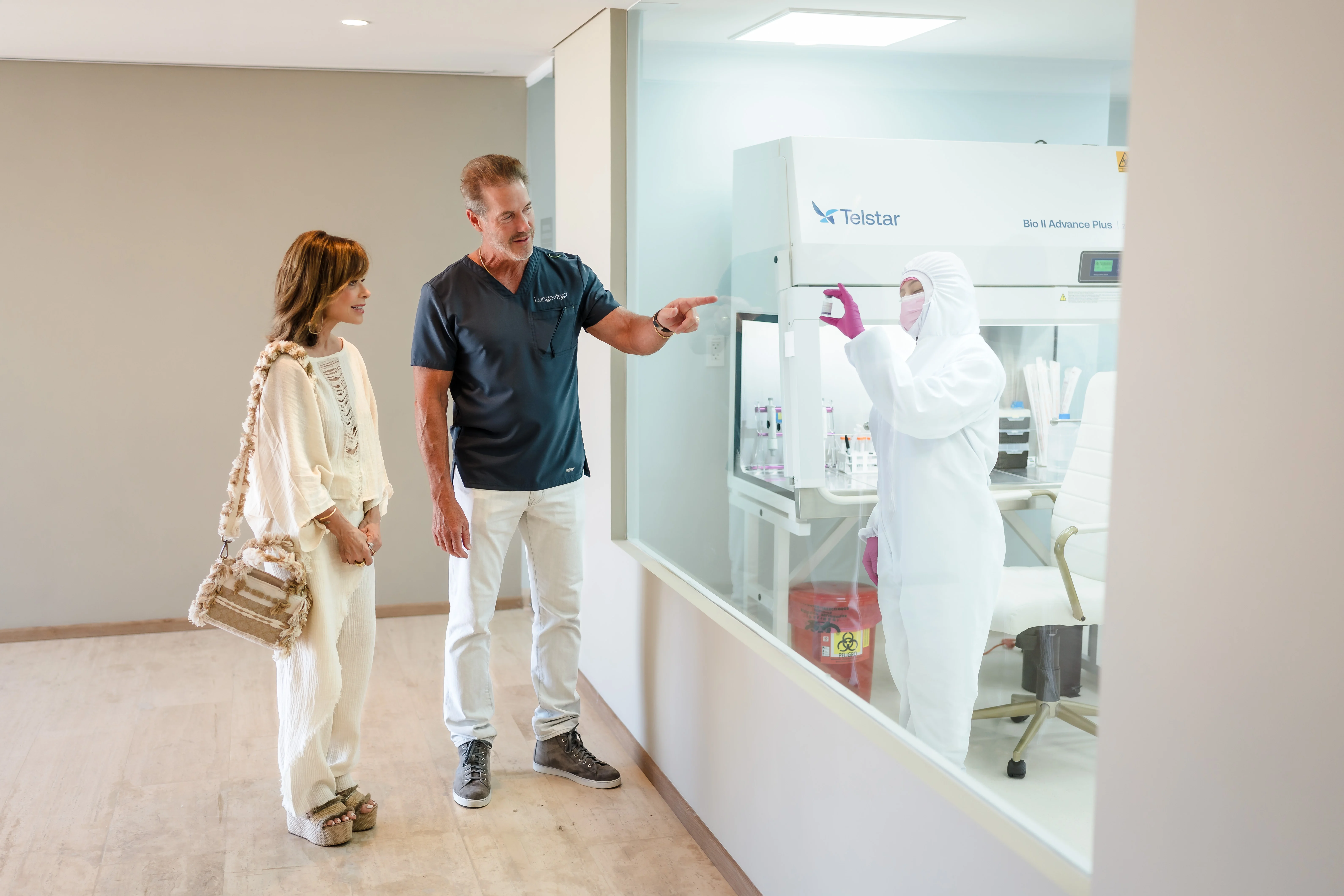
Can Stem Cells Help With Aging?
What The Research Shows, Why The Fundamentals Come First, And My 80/20 Rule
Urologic Health and Why I Believe It Belongs in Longevity Medicine
For this mid-month newsletter, I wanted to focus on an area of health that becomes increasingly important as we get older but often receives little attention until something changes: urologic health.
Bridging the expertise of traditional medicine with the innovations of tomorrow.
With decades of experience spanning tens of thousands of patient cases, our doctors provide an unparalleled depth of care.