

Can Stem Cells Help With Aging?
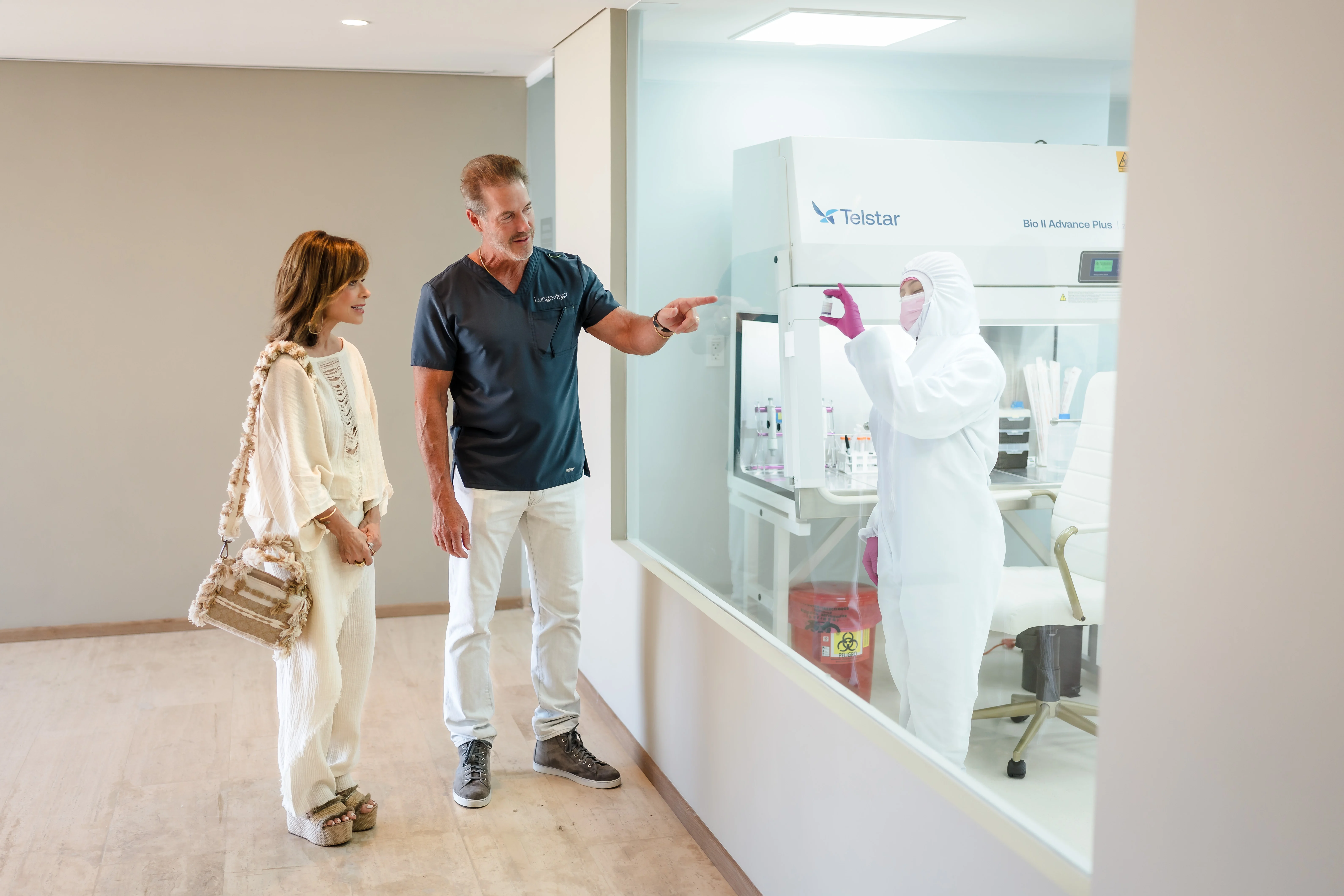
At the end of this month, it will be eighteen months since we opened. We have seen more than 750 patients, and that adds up to thousands of visits. I have met many of you, and I have had the chance to sit and talk with a good number of you.
People come to us for many different reasons, from patients in their 40s to those in their 90s, but one question I get asked often is some version of “can stem cells help with aging?”
It usually starts with someone saying they don’t have the energy, focus, or strength they used to, or simply, “I feel like I’m getting old.” Sometimes it’s the muscle and joint aches that no longer seem to go away on their own. Sometimes it’s having watched a parent lose their independence too early and deciding they want a different path. And sometimes it’s someone who still feels great, is doing everything they love, and simply wants another ten, twenty, thirty years or more of it.
Nobody fits into a perfect box. You all come to us for different reasons, at different ages, with different underlying conditions and different goals, which is exactly why we keep it personalized. No one is a standard patient at Longevity Medical Institute, and no one should be.
Here is my take, based on the vast amounts of research I read and the hundreds of patients who have come through our doors. We cannot stop aging, and if anyone tells you otherwise, they are lying. But aging isn't just birthdays adding up. Underneath what you see in the mirror and feel in your body are biological processes we can increasingly measure and, in many cases, influence.
The goal is not to live forever. It is to stay strong, energetic, mentally clear, optimistic, and independent for as many years as possible. To live longer with vitality, rather than simply live longer.
And there is human research now that I think you should know about, but before I get into that, it’s important to understand some of these aging processes, or what is often referred to as the “hallmarks of aging”.
I explained much of what follows in detail in my book, The Language of Healing: Understanding Stem Cells, Regenerative Medicine, and the Science of Aging Well.
Three things come up again and again from readers. They appreciate the candor about what regenerative medicine can realistically do, and what it cannot do. Many have told me no one had ever explained how stem cells actually work inside the body in a way they could understand. More than anything, I hear that breaking down the biology of aging into plain language changed how they think about their own health and aging.
Note: Be sure to view our special September offer at the end of this newsletter.
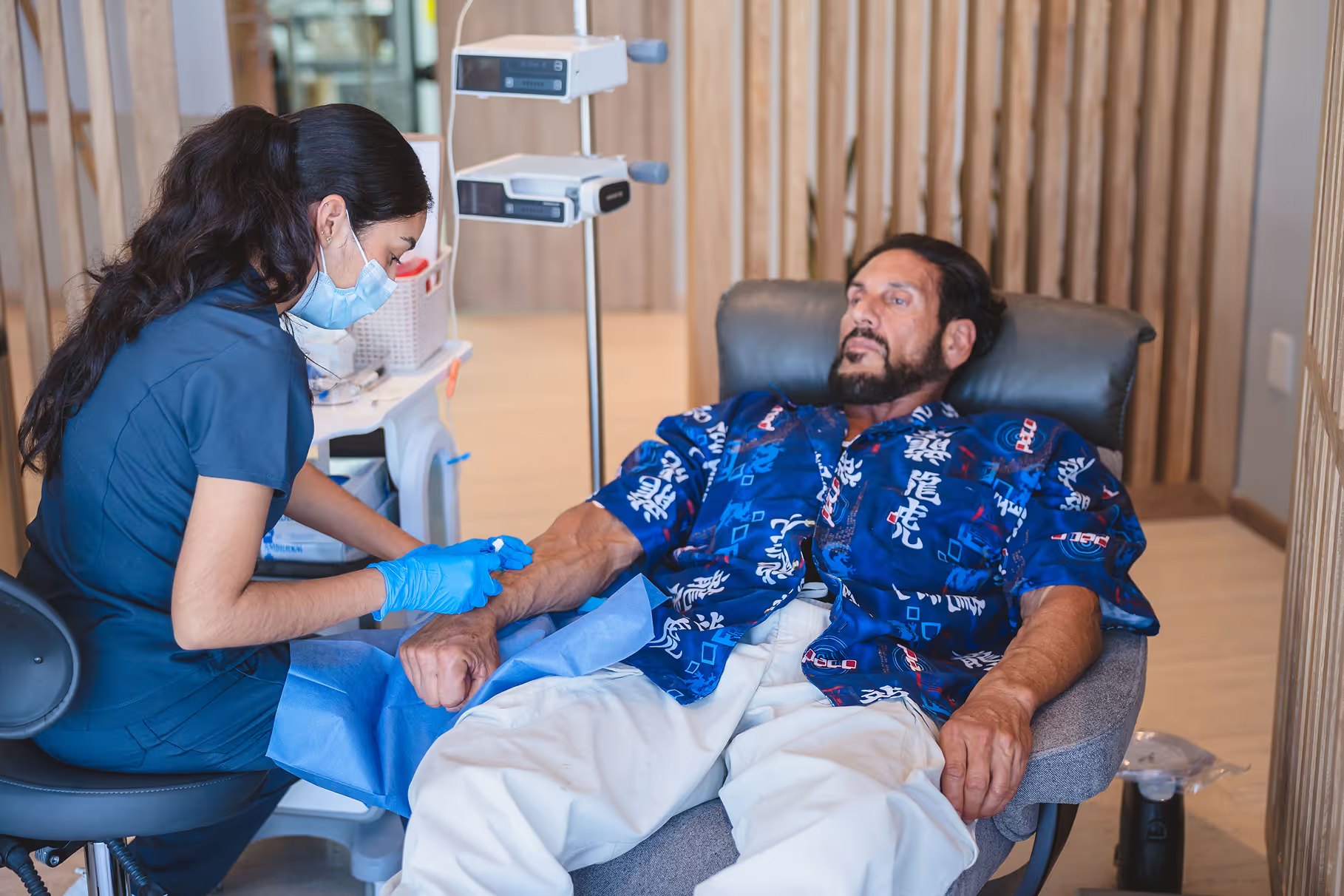
Aging Is Not One Thing
Underneath the surface, aging is not a single process. It is a set of things going wrong at once, each one making the others a little worse.
Researchers have identified and named these, so let me describe them.
A repair crew that shows up less often. Your body holds a reserve of stem cells that quietly fix what breaks. That reserve declines with age, and so does its efficiency. This is stem cell exhaustion.
Inflammation that never switches off. When you were young, inflammation showed up when something needed attention and then went quiet. With age it becomes constant and low-grade, and it interferes with almost everything else. Researchers call this inflammaging.
Cells that should have retired and did not. Certain cells stop dividing but stay in the tissue, leaking inflammatory signals that affect their healthy neighbors. These are senescent cells.
Engines running at lower output. Mitochondria produce most of your cellular energy. As they become less efficient, so does everything that depends on them, which is why fatigue is so often the first thing people notice. This is mitochondrial decline.
Instructions being read badly. Your DNA does not change much, but the system controlling which genes get switched on and off drifts as you age. The information is still there, but it is being read garbled, and scientists refer to this as epigenetic drift.
A structure that softens. The collagen and elastin scaffolding that holds your tissues together deteriorates, referred to as extracellular matrix decline. That affects strength, elasticity and even how well your cells communicate.
And cells that stop talking to each other properly. Altered intercellular communication is when the signaling between cells, hormones and the immune system becomes less reliable, less timely, and less coordinated.
There are others: shortening telomeres, declining protein quality control, altered nutrient sensing, accumulated DNA damage.
The important thing is that none of these happen in isolation. I think of them as an interconnected web.
Chronic inflammation accelerates damage and pushes more cells toward senescence. Senescent cells release signals that create even more inflammation. At the same time, the stem cell reserves that repair damaged tissue become smaller and less effective. Mitochondrial dysfunction, DNA damage, and changes in the extracellular matrix add to the burden. The result is a vicious cycle of more inflammation, more damage, and less capacity to repair it.
That relationship between inflammation and our declining ability to repair is particularly important when we start talking about stem cells and aging.
Which is why I don’t believe any single drug, infusion, or technology is going to solve aging any time soon. Anything that touches one strand is fighting everything still pulling the other way.
The Best Longevity Drug Ever Created
Once people understand the biology of aging, they ask what they can do about it.
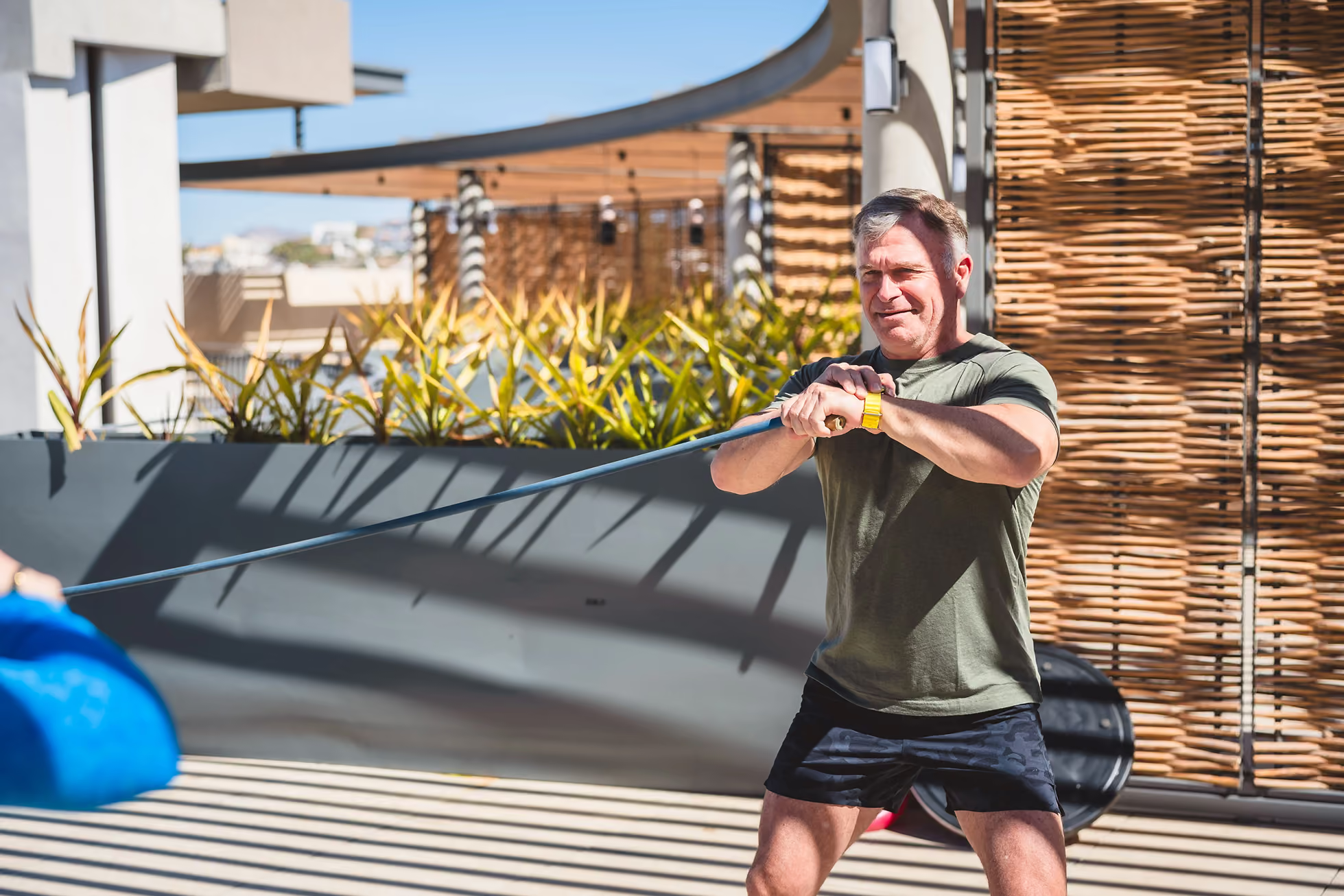
My answer starts where it always starts. Diet, with Mediterranean-style eating having the strongest research evidence. Exercise and building muscle. Sleep and recovery. Mindset and managing chronic stress.
That sounds like the advice everyone has heard. Look at what it actually does.
Exercise and maintaining muscle reach an extraordinary number of the systems involved in aging. They improve mitochondrial function, insulin sensitivity, glucose disposal, and nutrient sensing. They help regulate inflammation and hormonal signaling. They stimulate myokines from muscle and endorphins in the brain, increase blood flow, and protect against sarcopenia. Regular activity is associated with better cognitive function and brain health, partly through effects on neuroplasticity and factors such as BDNF, which supports neuronal health and adaptability.
Diet and nutrition affect metabolic health, inflammation, the gut microbiome, and the raw materials needed to maintain muscle, produce hormones, and repair tissue.
Sleep and recovery influence hormonal signaling, immune function, metabolism, memory, and cellular repair.
A positive mindset influences the brain’s release of neurotransmitters and hormones involved in mood, motivation, stress regulation, and social connection, including dopamine, serotonin, endorphins, and oxytocin.
Chronic stress and negativity work against all of it.
This is why I emphasize the fundamentals so heavily. They do not influence one hallmark of aging. They reach across the entire web.
If I could put those things in a vial and administer them via IV, it would be the best longevity drug ever created. And most of it is free. It just asks something of you.
My 80/20 Rule
Which leads to the question “If I am already doing all of that, how much can stem cells actually add?”
No research paper can give you that percentage, and probably none ever will. What follows is my educated estimate based on biology, the mechanisms of action of stem cells, and what we see in patients, not an established scientific formula.
I think of longevity as roughly an 80/20 equation, like many other things in life. About 80 percent is the foundation of eating well, exercising, building and preserving muscle, sleeping properly, maintaining metabolic health, managing stress and keeping a positive mindset. These are the things that should do most of the heavy lifting.
The other 20 percent is where I think regenerative medicine and other longevity therapies add something to an already strong foundation. Stem cells, exosomes, peptides, hormone optimization, hyperbaric oxygen, photobiomodulation, NAD+, and other interventions are not substitutes for the fundamentals. They are layers we can add on top of them.
You cannot out-treat a bad lifestyle. But once the foundation is strong, I think there is a very interesting question around how much more we can influence.
Does anyone do all of that perfectly? Of course not. One thing I hear constantly is, “I still want to live a little.”
I understand that completely, and it describes most of our patients. They are not biohackers optimizing every variable. That is real life. Longevity should not mean eliminating everything you enjoy in order to live longer. Enjoying your life is part of the point, and do not underestimate laughing and having fun. Genuine research suggests it is among the best medicines available.
But this is where the framework gets interesting, because the less of the 80 percent you do, the more you ask the remaining 20 percent to accomplish.
One thing I am certain about, having seen it in a few patients, is that reversing the equation doesn't work. You cannot do 20 percent of the fundamentals and ask our therapies to cover the other 80 percent. If someone is metabolically unhealthy, sedentary, losing muscle, sleeping badly, has a negative attitude, and is chronically stressed, no therapy we offer will erase those obstacles.
The patient we want to put stem cells into is the person doing as much of the 80 percent as they reasonably can.
Then we get to the question I find interesting, because the two sides are not separate. If our regenerative medicine interventions help modulate inflammation, support mitochondrial function and cellular signaling, promote tissue repair, help heal a painful joint, improve recovery, or preserve physical capacity, they can help someone train more consistently, hold onto muscle, and stay active. The fundamentals create a better biological environment for the therapies. The therapies can help you do more of the fundamentals. In my opinion, that is a cycle worth building.
Where Stem Cells Fit
Several areas of the hallmarks interest me the most given the therapies we have available today - inflammaging, stem-cell exhaustion and mitochondrial decline. Others are addressable too. In skin, aging involves progressive loss of collagen and elastin, and our aesthetics division works directly on that part of the extra-cellular matrix.
The MSC’s we produce fresh in our own biotechnology laboratory are no longer thought of as replacement cells. Much of their activity comes from something more sophisticated - how they communicate with the trillions of cells already in your body.
The scientist who pioneered our understanding of MSCs later argued they should be renamed “medicinal signaling cells”, because signaling is what they actually do.
An MSC releases a remarkably complex mixture of hundreds of molecules based on the environment it encounters, collectively known as the secretome. Researchers have identified hundreds of proteins and bioactive components, including growth factors, cytokines, chemokines, and extracellular vesicles such as exosomes, which can carry proteins, lipids, and genetic material from one cell to another.
So stem cells and exosomes are not separate concepts. Exosomes are one component of the larger set of signals MSCs naturally release.
I sometimes describe MSCs as biological pharmacies. The cell reads aspects of its environment and releases different molecules accordingly, influencing inflammation, immune activity, blood-vessel formation, cell survival and repair, and more.
What Does the Research Say?
Many of these same biological processes show up across conditions that become more common as we age. Researchers are increasingly studying whether MSCs can influence those processes, and we now have human trials that give us a better idea of what may be possible.
Here are a few that I find particularly interesting, but I want to preface it with this first because I think it's an important point to understand.
Research represents populations, not the individual patient in front of us. There will never be a study that exactly matches your age, condition, history, diagnostics, and goals. Research gives us the direction. Clinical judgment, based on knowing you and your goals, understanding your diagnostics at a deep level, and knowing what we are treating, guides the protocol. That is our definition of evidence-based medicine.
Frailty and Inflammation. In a randomized, placebo-controlled trial of older adults with frailty, grip strength improved by 40% over six months. The placebo group improved only slightly, and the difference was statistically significant. Grip strength may sound like a trivial thing to measure, but it has become an important marker in aging research because it reflects muscle function, physical resilience, and overall health. Importantly, the improvement was accompanied by changes in inflammation, showing about a 63% reduction in circulating TNF-α, a major inflammatory signal associated with inflammaging.
In another randomized trial, people receiving stem cells were walking 25% farther than the placebo group at nine months. Again, improvements in physical function were accompanied by changes in biomarkers associated with inflammation and vascular aging.
None of this means stem cells reverse aging, but it leaves me with a question I think about often. These were people who had already become frail. If we can see meaningful change in a body that far along, what might be possible earlier, before the muscle loss and the metabolic decline have really set in?
Cardiovascular Aging. Atherosclerosis is not simply cholesterol accumulating in an artery. Chronic inflammation, endothelial dysfunction, oxidative stress, and abnormal immune signaling all contribute to the disease process. That makes cardiovascular aging particularly interesting in MSC research because MSCs may influence several of these underlying pathways.
In a randomized, double-blind human trial following heart attack, patients receiving IV MSCs showed an approximately 82% greater improvement in myocardial perfusion, 109% greater improvement in myocardial viability, and 179% greater improvement in heart pumping function compared with placebo.
This does not mean stem cells remove plaque or replace cholesterol management, exercise, blood-pressure control, or other proven cardiovascular therapies. But it does suggest their anti-inflammatory, immunomodulatory and pro-angiogenic effects may influence some of the biology involved in cardiovascular damage and repair.
Cognitive Aging. Cognitive decline is not simply about losing neurons. Neuroinflammation, vascular dysfunction, mitochondrial stress, weakening synapses, and declining regenerative signaling all contribute. This is why researchers are increasingly interested in whether MSCs can influence the environment in which brain cells are trying to function and survive.
A recent randomized, double-blind, placebo-controlled human trial in people with mild Alzheimer’s disease produced some encouraging results. Patients receiving IV MSCs experienced 48% less whole-brain volume decline and 62% less hippocampal volume decline than placebo over 39 weeks. Researchers also reported reduced neuroinflammation and improvement on one measure of cognitive function. This is still early research, and one study is not proof that stem cells can prevent cognitive aging, Alzheimer’s, or dementia. Learn more about our Regenerative Neurological Therapy, designed to deliver regenerative therapies through the nasal pathway with the goal of improving access to the brain and central nervous system.
But this one gets me thinking. If we can see measurable changes in brain structure, neuroinflammation, and cognitive function in people who already have mild Alzheimer’s disease, what might be possible if we intervene much earlier in the aging process, preserving function, and before significant decline has taken hold?
Joint and Spine Degeneration. The same mechanisms apply across many of our joints, but the knee has been studied more extensively than any other joint in MSC research. And a knee does not simply wear out. Aging cartilage, chronic inflammation, changes in the joint environment, and declining repair capacity all contribute to the degeneration we see over time.
The human MSC research for knee arthritis is becoming substantial. In one randomized, double-blind trial, patients receiving an injection of MSCs had an 84% improvement in pain and function at six months compared with 25% with placebo. A larger Phase 3 trial found that at two years, MSC-treated patients had approximately 73% greater improvement in pain, 77% greater improvement in stiffness, and 71% greater improvement in physical function compared with placebo.
The spine is showing encouraging signs as well. A recent meta-analysis of seven randomized controlled trials found significantly greater improvements in pain and disability with intradiscal MSC injections compared with sham or placebo. By 36 months, the difference amounted to approximately 20% greater pain reduction compared with placebo, without a significant increase in serious adverse events.
Patient selection matters enormously. None of this means we can regrow a severely arthritic knee or rebuild a badly degenerated disc. If you need a surgeon, you need a surgeon, and expecting stem cells to replace surgery is not realistic. But surgery fixes the structural problem; the body still has to heal afterward, and there is human research suggesting MSCs can play a role there as well.
Post Surgery. In rotator cuff surgery, a recent meta-analysis of 415 patients found that adding MSCs to the surgical repair was associated with roughly a 49% reduction in the retear rate compared with surgery alone. An earlier case-controlled study found that at six months, 100% of MSC-treated repairs had healed compared with 67% without MSCs. Even more interesting, at ten years 87% of the MSC-treated rotator cuffs remained intact compared with just 44% of those not receiving MSCs.
That is a different role for regenerative medicine, which is not replacing the surgery when it's necessary, but supporting the biology of healing and helping the repair hold up over time.
But here is another one that gets me thinking. If we can see these kinds of differences in people who already have established degeneration that warrant surgery, what might be possible if we identify the problem and intervene earlier, while there is still meaningful cartilage, disc structure, and function to preserve?
Different structures, same concept. Instead of waiting until degeneration becomes severe and asking only how to suppress the pain, I think we should also be asking what we can do earlier to preserve the tissue and influence the environment producing the problem in the first place.
Mitochondria and a Layered Approach to the Hallmarks
Exercise remains one of the best things we can do for mitochondrial health. But there is another reason MSCs are interesting when we talk about mitochondrial dysfunction as part of aging.
MSCs do more than release signaling molecules. Research has shown they can actually transfer healthy mitochondria to stressed or damaged cells, providing metabolic support to cells whose own energy-producing machinery is struggling. This has been demonstrated in human cells in the laboratory and across multiple animal models. It adds another fascinating mechanism to what we are learning about how MSCs work.
Hyperbaric Oxygen and the Longevity Recharge Station
This is where the idea of a layered approach comes in. The hallmarks of aging are interconnected, so I don't believe any single intervention is going to address all of them.
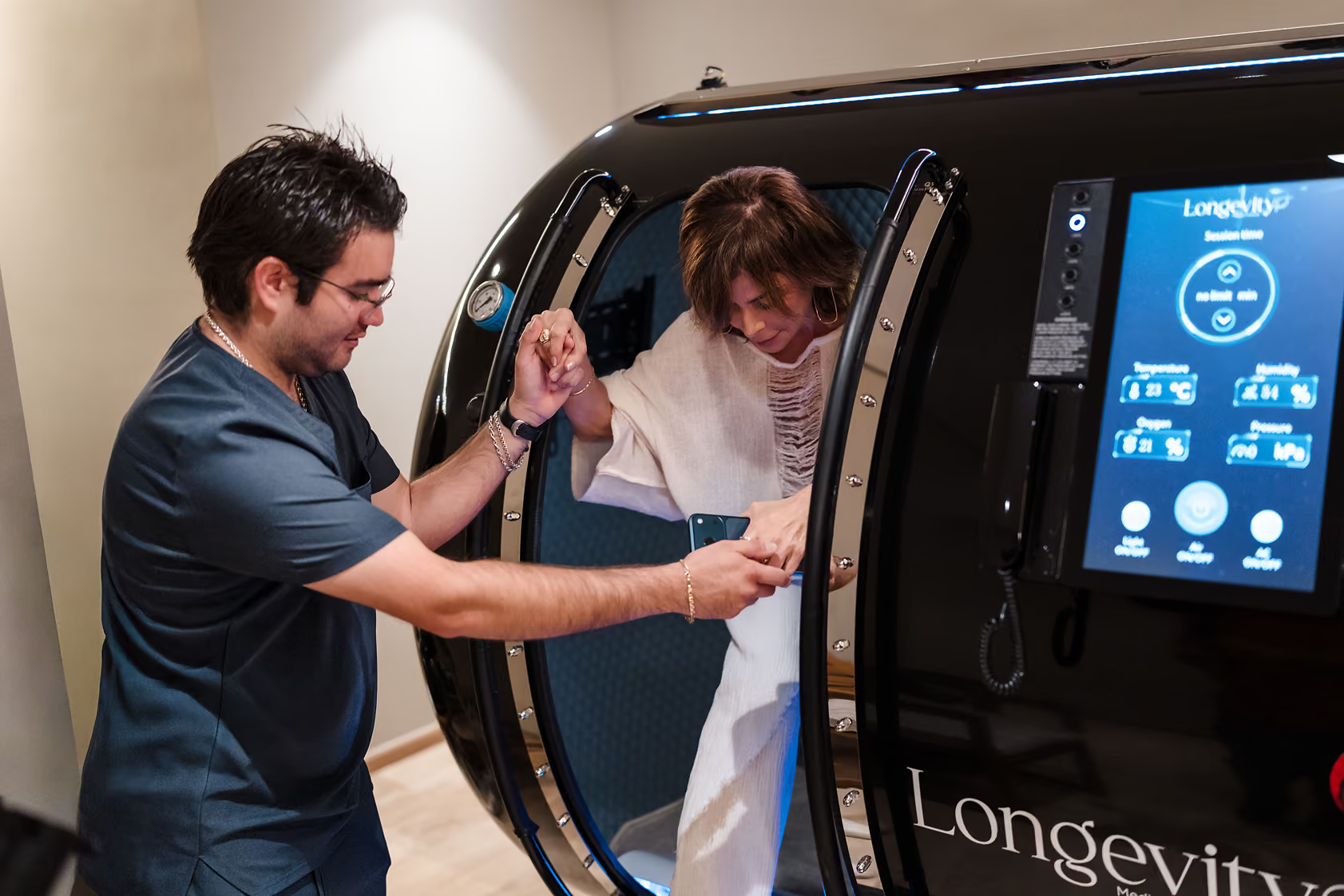
Hyperbaric oxygen is particularly interesting. Human research found that a single session approximately doubled circulating stem cells and progenitor cells, while twenty sessions increased them roughly eightfold. When stem-cell exhaustion is one of the processes we are thinking about, that gets my attention.
Other human research in adults over 64 reported increases of more than 20% in telomere length in several immune-cell populations, along with substantial reductions in senescent immune cells. Separate research examining human skin tissue found increased collagen density, longer elastic fibers, more blood vessels and fewer senescent cells. These studies measured biological changes rather than simply asking whether someone felt younger, which is what makes them interesting.
Our Longevity Recharge Station approaches the biology from several other directions. Ten-wavelength photobiomodulation uses red and near-infrared light to interact with mitochondrial and cellular pathways involved in energy production, circulation, inflammation, and recovery. Researchers are studying molecular hydrogen for oxidative stress and inflammation. Vagus nerve stimulation targets autonomic regulation and inflammatory signaling, while micro-impact therapy provides a mechanical stimulus intended to support circulation and tissue response.
NAD+, Peptides and Cellular Energy
NAD+ is another piece of the mitochondrial story. It is a molecule your cells rely on for energy production, mitochondrial function, DNA repair, and several pathways involved in cellular stress and aging.
MOTS-c is another interesting part of this conversation. It is a small peptide produced from mitochondrial DNA that appears to play a role in cellular energy sensing, glucose metabolism and the way cells respond to metabolic stress.
That is how I think about both NAD+ and mitochondrial peptides today. The biology is compelling, but the human evidence is still developing. They represent additional potential tools for supporting cellular energy and metabolic function, not standalone solutions to aging.
Putting the Layers Together
And that is really how I think about all of this. Our therapies approach these interconnected processes from different directions.
No single therapy addresses every aspect of aging. The idea is to build a strong foundation first, then thoughtfully layer approaches that target different parts of the same interconnected biology.
None of them is a magic answer to aging. Get the fundamentals right first, then intelligently layer therapies that may influence different parts of the aging process rather than expecting one intervention to do everything.
Measure First. Intervene Second. Measure Again.
This may be the most important part of the whole conversation.
If the goal is to influence how someone ages, we need to know where they are starting and whether what we are doing is working. That requires functional and structural diagnostics.
Functional tests: Our in-house clinical laboratory measures 140+ biomarkers, including inflammatory and metabolic markers, oncology markers, hormones, cardiovascular markers and much more. We also assess body composition with the InBody 970, grip strength with InGrip, and cardiorespiratory fitness with VO2 max testing.
Structural tests: Full-body MRI, CADScor, ECG, Echocardiogram, CT, ultrasound, and cardiovascular imaging, which can identify changes long before anyone feels them.
Functional and structural testing are really two halves of the same picture. Sometimes what we see functionally leads us to look more closely at your structure, and sometimes a structural finding helps explain what we are seeing functionally. Looking at both gives us a much more complete understanding of what is happening inside your body.
The Protocol We Suggest
There is no scientifically established protocol for slowing normal human aging. Age, medical history, metabolic health, muscle mass, cardiovascular status, medications, and individual goals all matter.
But people ask what we think, so here it is.
For an appropriately selected patient who already has the fundamentals in place, we suggest three to four IV MSC and exosome treatments over the course of a year. For joint issues, typically one injection, sometimes two depending on severity. And for cognitive decline, one or two intranasal exosome treatments, depending on the individual.
Not because a specific research study established that as the optimal dose. It has not. Our reasoning comes from the biology, mechanisms of action, safety record, and the emerging research. And the frailty research that interests me has increasingly investigated repeated dosing rather than assuming a single infusion changes a trajectory.
That makes sense to me because the processes we influence don't happen once. Aging continues daily. Inflammatory signaling continues. Mitochondria continue under stress. Senescent cells continue accumulating.
The Safety Record
Whenever we discuss adding an intervention, efficacy is only half the conversation.
Our own peer-reviewed systematic review examined more than 60 clinical studies, approximately 15,000 patients, and 15 years of published research involving the same broad class of allogeneic mesenchymal stem cells we use. We found no evidence of increased serious treatment-related complications, including malignancy, infection, thromboembolic events, or serious complications, attributable to MSC therapy.
The 80 Percent Comes First
If there is one thing to take from this month’s newsletter, it is that the largest share of how well you age is already in your hands. Exercise and build muscle. Eat intelligently. Protect your sleep. Maintain your metabolic health. Manage your stress and your mindset. Get the right diagnostics, understand your baseline, and keep measuring.
Do as much of your 80 percent as you reasonably can.
Then we can have a far more interesting conversation about the other 20 percent with our therapies. These should not replace the fundamentals. They should amplify them.
We are not trying to make anyone immortal, and we are not trying to add years to the end of life. We are trying to keep people stronger, metabolically healthier, cognitively sharper, more resilient and independent for as long as possible, with vitality.
That is healthspan.
It is an interconnected biological process, and I believe those processes can be influenced significantly if you do your part and let us do ours. That sounds like a win/win to me.
A Special September Offer - Buy Now, Use Anytime Within 12 Months!
For the month of September, we are offering our Regenerative Longevity Protocol, a special introductory package for patients interested in incorporating regenerative medicine into their healthy aging and longevity plan.
Purchase three IV sessions of 25 million MSCs + 5 billion exosomes and receive a fourth session complimentary. That’s a 25% savings!
Package price: $8,175 (plus IVA)
Regular value: $10,900
You can use sessions anytime over the next 12 months.
We can also incorporate ultrasound-guided injections and intranasal treatments into the package when appropriate. Additional fees apply.
Terms Apply. Available to patients who have previously completed our diagnostics and received a physician-directed protocol within the past 12 months, or new patients willing to complete the appropriate diagnostics and physician evaluation before treatment. All treatments remain subject to physician approval and appropriate patient selection.
We invite you to book a free online consultation with Ivanna, or reach out to any of our patient coordinators to take advantage of this limited-time offer or schedule an appointment: Nico, Roman, and Erick.
Your Feedback Makes a Difference
We're proud to share that we've already received multiple five-star reviews — thank you to everyone who's taken the time to support us!
As a new clinic, your positive feedback not only means the world to us, but it also helps boost our visibility online so more people can discover us.
If you’ve had a positive experience at Longevity Medical Institute, we’d be truly grateful for your review. Select the button below to Leave a Google Review
See more of our articles
Be up to date and check our newest educational materials.

At 20,000 Feet Jason's Adventure Became a Fight for Survival
Jason is living with chronic kidney disease, for which there is currently no cure. His next great adventure is getting his life back.
Fighting Parkinson’s and Documenting Brent’s One-Year Journey
There is currently no cure for Parkinson’s, which makes every gain in Brent’s daily life especially meaningful.
Brenee’s Story and Her Fight Against Familial Pulmonary Fibrosis
This is a terminal, currently incurable disease, but Brenee refuses to let that diagnosis take away her hope.
Bridging the expertise of traditional medicine with the innovations of tomorrow.
With decades of experience spanning tens of thousands of patient cases, our doctors provide an unparalleled depth of care.