

Stem Cell Therapy for Sarcoidosis What Early Evidence Shows
Shortness of breath, a stubborn cough, chest tightness, fatigue that doesn't match your activity level. Many people with pulmonary sarcoidosis arrive at this point after trying corticosteroids, worrying about side effects, and wondering whether newer regenerative approaches might help. That question deserves a careful answer, especially when the internet often blurs the line between early science and proven treatment.
Pulmonary sarcoidosis means sarcoidosis involving the lungs. Because the lungs are so commonly affected, many patients first experience the disease as a breathing problem, even though sarcoidosis is a systemic immune-mediated condition that can involve several organs. When people look into stem cells, exosomes, or hyperbaric oxygen therapy, the most important first step isn't choosing a therapy. It's understanding what kind of lung injury is present, because that changes what improvement may realistically mean.
Understanding Pulmonary Sarcoidosis and Why Treatment Goals Differ
A common scenario looks like this. A patient has already heard that sarcoidosis causes “spots” or “inflammation” in the lungs, but their scan report also mentions scarring. They assume those are the same thing. They aren't, and that difference matters.
Pulmonary sarcoidosis is sarcoidosis affecting the lungs. It is also the most common form of the disease, with lung or chest involvement occurring in more than 90 percent of patients. In practical terms, that means lung symptoms often become the center of treatment decisions.
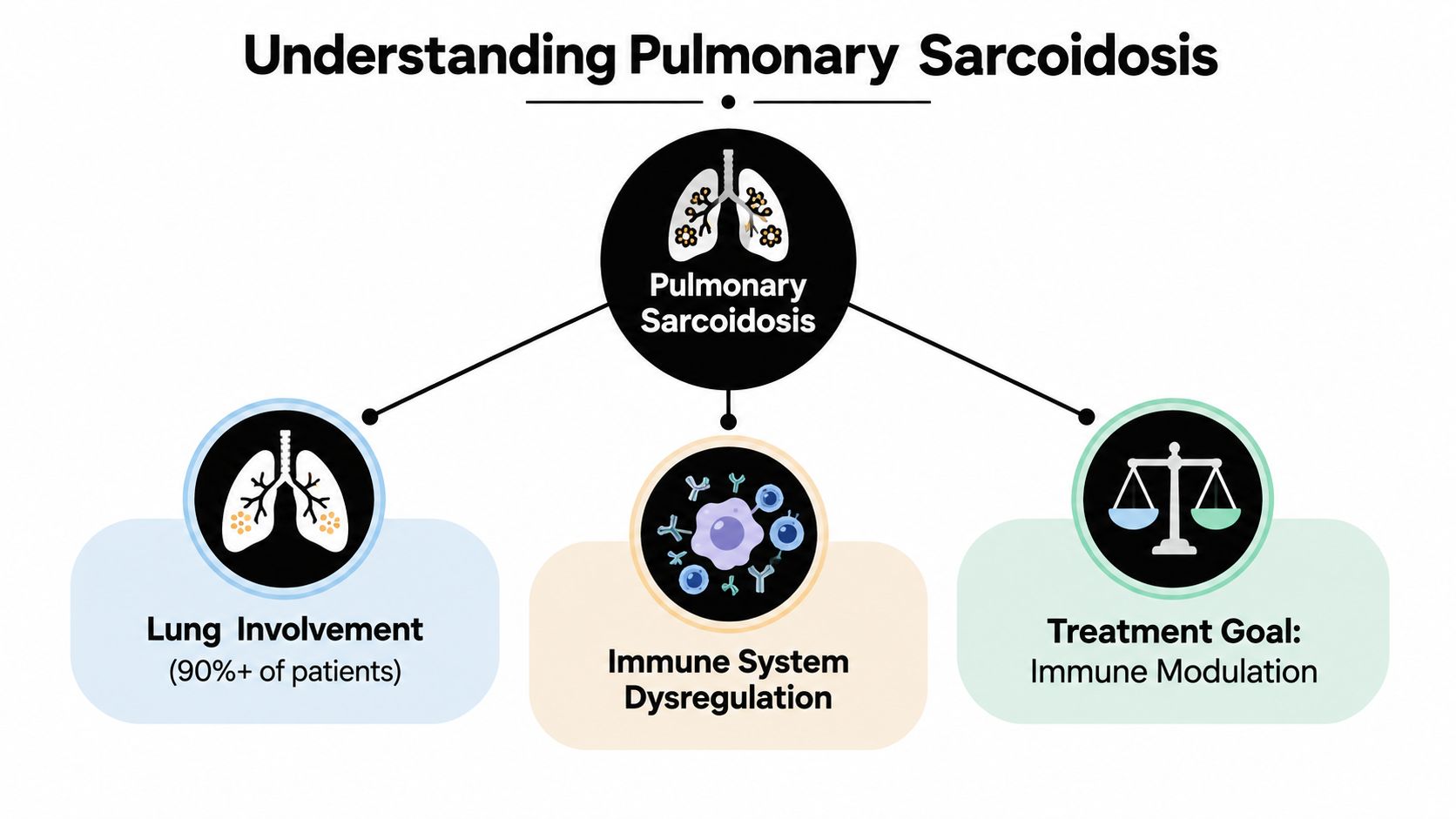
Active inflammation isn't the same as fibrosis
Sarcoidosis forms granulomas, which are organized clusters of immune cells. You can think of them as overactive immune “knots” that develop when the immune system stays switched on longer than it should.
When those granulomas reflect active granulomatous inflammation, treatment goals usually focus on calming immune activity, reducing symptoms, preserving lung function, and sometimes lowering steroid dependence. That is the setting where immune-modulating therapies are most biologically plausible.
When the lung has moved into established pulmonary fibrosis, the problem is different. Fibrosis is scarring. It behaves more like healed scar tissue after an injury than like an active fire that can be extinguished.
Practical rule: Active inflammation may be modifiable. Established fibrosis usually shifts the goal toward protecting function rather than expecting reliable reversal.
Why this distinction changes expectations
If a patient has mainly active inflammation, clinicians may look for ways to reduce ongoing immune injury. If a patient has mature scarring, the conversation becomes more conservative. The aim may be to support breathing capacity, exercise tolerance, oxygenation, and quality of life rather than to promise structural repair.
That is why any discussion of Stem Cell Therapy for Sarcoidosis has to start with imaging, physiology, and disease stage. A person with inflammatory lung findings is asking a different question from someone with long-standing fibrotic damage. Readers also exploring related lung scarring questions may find this guide on stem cell therapy for pulmonary fibrosis helpful for understanding where regenerative language often becomes overly broad.
What patients often misunderstand
Several points create confusion:
“Inflammation” doesn't always mean permanent damage. Some changes reflect ongoing immune activity.
“Scarring” doesn't always mean active disease. Scarred tissue may remain even when inflammation has cooled.
Breathing symptoms can come from either process. The symptom alone doesn't tell you which one dominates.
Treatment goals should match biology. Calming immune activity and reversing scar tissue aren't the same clinical objective.
That framework keeps the rest of this conversation grounded. It also helps patients ask better questions when they evaluate newer therapies.
What Current Human Evidence Actually Shows for Stem Cells in Sarcoidosis
The most important point is simple. Human evidence is very limited. There is no published randomized controlled trial for mesenchymal stem cell therapy in sarcoidosis in the latest reviews, and the field remains investigational, as reflected by the earlier formal U.S. trial registration NCT00282438 on ClinicalTrials.gov.
The evidence base is small and early
Published reviews still describe mesenchymal stem cell therapy for sarcoidosis as nascent. That means interest is real, biological rationale exists, but the clinical proof patients usually want isn't here yet.
One open-label phase I study in chronic pulmonary sarcoidosis treated 12 patients with 3 intravenous infusions of umbilical cord-derived mesenchymal stem cells at 1 × 10^6 cells/kg, given at 4-week intervals. At 6 months, 8 of 12 improved on the King's Sarcoidosis Questionnaire, with a mean gain of 14 points. In the same study, 5 of 12 showed reduced ground-glass opacity on HRCT, 4 of 12 reduced corticosteroids by at least 50%, and no serious adverse events were reported, as summarized in this review of stem cell therapy for sarcoidosis clinical evidence.
That study is encouraging in a limited way. It shows a signal. It doesn't prove efficacy.
Early human studies of MSC therapy for pulmonary sarcoidosis at a glance
| Study Design | Population and Dosing | Key Reported Outcomes |
|---|---|---|
| Open-label phase I study | 12 patients with chronic pulmonary sarcoidosis; 3 IV infusions of umbilical cord-derived MSCs at 1 × 10^6 cells/kg, 4 weeks apart | 8/12 improved on King's Sarcoidosis Questionnaire at 6 months, mean gain 14 points; 5/12 had reduced ground-glass opacity on HRCT; 4/12 reduced corticosteroids by at least 50%; no serious adverse events reported |
| Single case report | Three IV doses of allogeneic bone marrow-derived MSCs | Short-term improvement in symptoms and inflammatory markers reported; long-term outcome wasn't established |
| Very small early phase experience described in clinic-level educational summaries | Four treatment-resistant pulmonary sarcoidosis patients receiving two IV infusions of placenta-derived mesenchymal-like cells one week apart | Lung function reportedly did not significantly improve; two reportedly showed radiographic improvement and were able to discontinue prednisone; one reportedly had prolonged remission |
Human data at this stage can suggest possibility. It can't tell you with confidence who will respond, how much they'll respond, or how durable a response will be.
The practical takeaway is that Stem Cell Therapy for Sarcoidosis remains investigational. Patients who want a deeper background on the broader science can review mesenchymal stem cell research, but it's wise to read that material through an evidence-first lens.
How Mesenchymal Stem Cells and Exosomes Are Thought to Work
Researchers aren't mainly interested in mesenchymal stem cells because they expect the cells to permanently replace damaged lung tissue. The more plausible model is signaling.
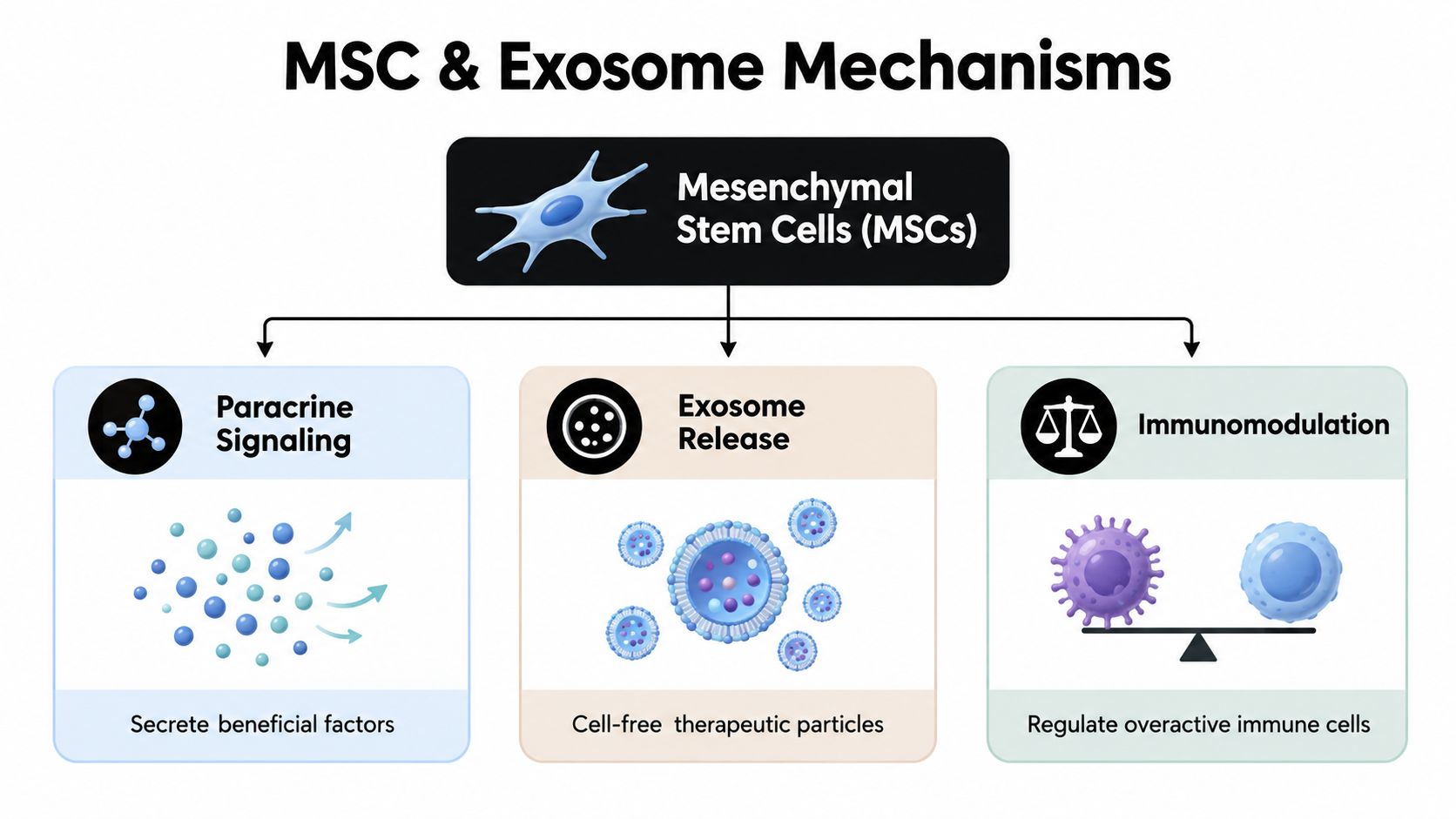
MSCs act more like coordinators than replacement parts
Mesenchymal stem cells are being studied for their potential immunomodulatory effects. In inflammatory diseases, they appear to behave less like bricks for rebuilding tissue and more like temporary coordinators that influence how other cells behave.
A central concept is paracrine signaling. That means the cells release signaling factors that can affect nearby and downstream immune activity. Their potential effects are believed to occur primarily through this kind of signaling rather than long-term engraftment.
What laboratory work suggests
In ex vivo research using lung macrophages from patients with sarcoidosis, mesenchymal stromal cells shifted those macrophages toward a more anti-inflammatory phenotype, including decreased TNF-alpha and increased IL-10 signaling, as described in this mechanistic review of cell therapy and immune modulation in sarcoidosis.
That finding matters because macrophages and T cells help drive granulomatous inflammation. If a therapy can nudge those immune cells away from an overactive inflammatory pattern, there is a biologically plausible reason to study it further.
Where exosomes fit
Exosomes are cell-free messengers released by cells. They carry signaling cargo such as proteins and genetic material that may influence inflammation and tissue response. In theory, they may offer some of the signaling effects associated with mesenchymal stem cells without being whole cells themselves.
For patients comparing these approaches, this overview of exosomes vs stem cells can help clarify the distinction.
A biologically plausible mechanism is not the same thing as a proven clinical benefit.
That caution is especially important in fibrosis. Immune modulation may help reduce excessive inflammatory activity. It should not be presented as a reliable way to remove established scar tissue.
Why Systemic Disease Makes Intravenous Delivery Biologically Plausible
Sarcoidosis is often discussed as a lung disease because breathing symptoms are so prominent. Biologically, though, it is a systemic immune-mediated condition that may involve the lungs, lymph nodes, skin, eyes, joints, heart, and nervous system.
Why IV delivery is considered for a lung condition
When mesenchymal stem cells are delivered intravenously, they initially concentrate within the pulmonary circulation. That creates a plausible reason to study IV therapy in pulmonary sarcoidosis even before considering effects elsewhere in the body.
At the same time, the signaling response isn't necessarily limited to the lungs. Reviews of allogeneic mesenchymal stromal cells show they can suppress T-cell proliferation and influence immunity through soluble factors and cell-contact mechanisms, while also shifting behavior depending on the surrounding microenvironment, as described in this review of allogeneic MSC immune function.
Why allogeneic therapy enters the discussion
In physician-supervised regenerative medicine, allogeneic cells are often considered because the intended effect is immune signaling, not harvesting and returning a patient's own cells. At Longevity Medical Institute, physician-directed protocols may involve allogeneic cell types produced in its biotechnology lab, including placental, Wharton's jelly, adipose, endometrial, and dental pulp sources.
That doesn't mean systemic benefits should be assumed. A patient might hope IV therapy could reduce inflammatory activity, fatigue, or symptoms in other affected organs. Those outcomes are possible in theory, but they haven't been established in clinical trials for sarcoidosis and shouldn't be framed as expected results.
A practical overview of this route is available in this guide to IV stem cell therapy.
For patients who want to see how clinicians discuss infusion-based regenerative care in general, this short physician video offers useful context.
Intravenous Versus Nebulized Delivery and the Supportive Role of HBOT
Once patients understand why IV therapy might be considered, the next question is often whether direct lung delivery makes more sense. The answer isn't one-size-fits-all, and the evidence is even thinner for inhaled approaches.
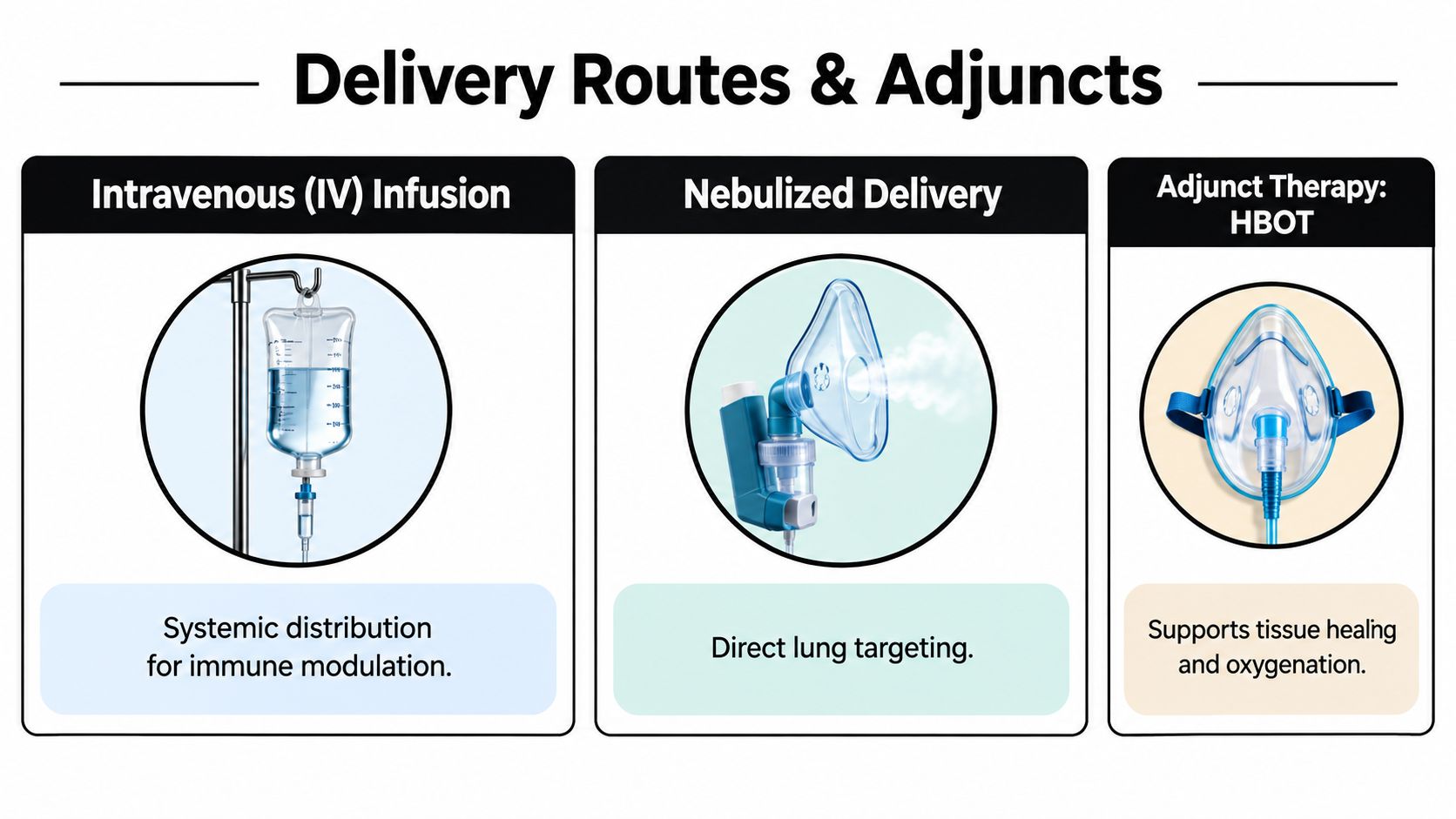
Comparing IV and nebulized approaches
Intravenous delivery is intended to provide systemic exposure. That may be relevant when sarcoidosis affects more than the lungs or when physicians are considering broader immune modulation.
Nebulized delivery places stem cell-related or exosome-based material into the respiratory tract to create more direct contact with the pulmonary environment. The rationale is localized signaling. In theory, that may support immune regulation and tissue-repair signaling in the airways and lungs.
Here is the key caution. Nebulized stem cell and exosome therapy has not been clinically established for pulmonary sarcoidosis. Support for this approach comes mainly from preclinical lung research and broader work in inflammatory or fibrotic pulmonary conditions. It shouldn't be presented as a proven way to remove granulomas or reverse established fibrosis.
Some delivery choices are driven more by biological plausibility than by disease-specific clinical trial evidence. Patients should know which is which.
Where HBOT fits
Hyperbaric oxygen therapy, or HBOT, should be viewed as supportive therapy, not a primary treatment for sarcoidosis. HBOT increases oxygen availability under pressure. In selected patients, that may support tissue oxygenation, cellular energy production, recovery, and adaptive responses to controlled oxidative stress.
Patients who want a practical primer on broader indications can review this Hyperbaric business solutions guide for general background on how hyperbaric chambers are used in medicine.
What HBOT has not been shown to do is suppress sarcoidosis itself, remove granulomas, or reverse pulmonary fibrosis in a clinical trial. Its role is adjunctive and should depend on the patient's pulmonary status.
Safety matters more than enthusiasm
Patients with advanced fibrosis, bullae, air trapping, pulmonary hypertension, or a history or risk of pneumothorax need careful assessment before HBOT. Pressure-based therapy can be inappropriate in some lung conditions.
For readers exploring combination protocols, this resource on hyperbaric oxygen therapy and stem cells helps frame how supportive and regenerative therapies are sometimes paired, while still requiring individualized judgment.
How Candidacy Is Evaluated and How Response Is Measured
A responsible evaluation starts with the disease in front of the physician, not with a preselected package. Two patients may both carry a diagnosis of pulmonary sarcoidosis and still need very different recommendations.
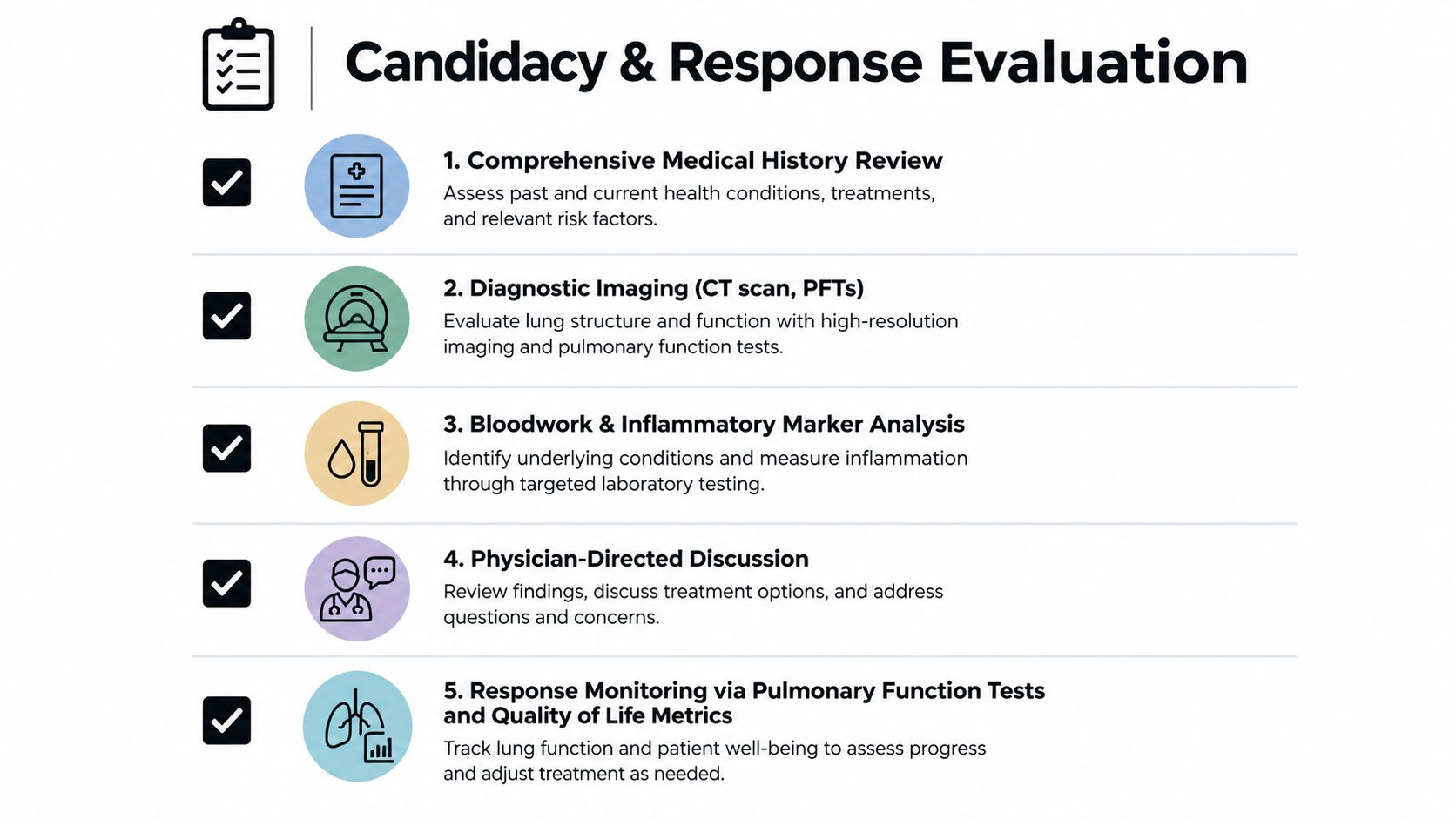
What physicians review first
The assessment begins with the basics that often matter most:
Symptoms and trajectory. Breathlessness, cough, chest discomfort, fatigue, exercise tolerance, and whether the pattern is stable, relapsing, or progressing.
Disease history. How long sarcoidosis has been present, which organs are involved, and whether there is evidence of active inflammation versus long-standing structural change.
Conventional treatment experience. Prior or current corticosteroids, methotrexate, medication response, side effects, and reasons for seeking alternatives or adjuncts.
Objective testing guides the conversation
A careful workup for potential physician-supervised regenerative or supportive therapy should review:
High-resolution chest CT to understand inflammatory change, architectural distortion, and fibrosis pattern.
Pulmonary-function testing, including FVC and DLCO, to measure how the lungs are performing.
Resting and exertional oxygen saturation to identify oxygenation problems that may not appear at rest alone.
Six-minute walk testing to capture functional limitation in a standardized way.
Pulmonary hypertension assessment when clinical features suggest vascular strain.
Cardiac evaluation when symptoms, history, or sarcoidosis pattern raise concern for heart involvement.
FDG-PET, when appropriate, to help distinguish active inflammation from established fibrosis.
Objective disease measurement matters because feeling better and modifying the disease aren't always the same thing.
How response should be tracked
If a patient proceeds, follow-up shouldn't rely only on “I feel better,” even though symptom relief matters. Response should be evaluated through changes in:
Symptoms, including breathing comfort and fatigue.
Inflammatory biomarkers, when clinically relevant.
Pulmonary-function testing, especially trends rather than isolated single values.
Exercise capacity and oxygenation, including repeat walk testing when appropriate.
Imaging and organ-specific testing tied to the organs originally involved.
That approach keeps subjective improvement separate from objective evidence of disease modification. It also reflects how physicians weigh the best available research, the biological plausibility of each therapy's mechanisms, the patient's diagnostic findings, conventional treatment options, and clinical experience before deciding whether someone may be an appropriate candidate.
Making an Informed Next Step and Evaluating Clinics Responsibly
Patients considering Stem Cell Therapy for Sarcoidosis usually aren't looking for hype. They're looking for a fair answer about whether an investigational option might be reasonable in a difficult disease. The balanced answer is that stem cells, exosomes, and HBOT are not cures, and the evidence remains too limited to predict an individual response with confidence.
That doesn't make the field irrelevant. It means the right language is early human evidence, biologically plausible, potential immunomodulatory effects, supportive therapy, physician-supervised, and carefully selected patients.
When evaluating clinics, a few questions help quickly separate serious medical review from marketing:
Cell source transparency. Does the clinic clearly explain that it uses allogeneic cells, what tissue sources are used, and how those products are handled?
Physician oversight. Are medical decisions being made by qualified physicians who review pulmonary history, imaging, and current treatments?
Individualized protocol design. Is route selection based on disease pattern and organ involvement, or is every patient offered the same protocol?
Safety screening. Does the team assess pulmonary risk factors before considering infusion, nebulized delivery, or HBOT?
Follow-up testing. Will symptoms be paired with objective reassessment such as pulmonary-function testing, oxygenation, imaging, or organ-specific monitoring?
A thoughtful consultation should also include discussion of alternatives. Some patients should continue conventional care, adjust current medications, or prioritize specialty pulmonary or cardiac evaluation before considering regenerative options. Investigational therapy should complement sound medical management, not replace it blindly.
Bring your records. The most useful items usually include recent chest imaging, pulmonary-function results, oxygen data if available, medication history, and notes about organ involvement beyond the lungs. Those details help a physician judge whether the clinical picture suggests active inflammation, established fibrosis, or a mix of both.
This information is for educational purposes only and isn't medical advice. It doesn't replace evaluation by a qualified healthcare professional.
Longevity Medical Institute offers physician-led evaluation for patients exploring regenerative and supportive options for complex inflammatory conditions, including pulmonary sarcoidosis, with individualized consideration of allogeneic MSC protocols, exosome-based approaches, and adjunctive HBOT when appropriate. If you'd like a careful review of your imaging, pulmonary testing, treatment history, and candidacy, visit Longevity Medical Institute.
Author
Dr. Kirk Sanford, DC, Founder & CEO, Longevity Medical Institute. Dr. Sanford focuses on patient education in regenerative and longevity medicine, translating complex therapies into clear, practical guidance for patients.
Medical Review
Dr. Félix Porras, MD, Medical Director, Longevity Medical Institute. Dr. Porras provides clinical oversight and medical review to help ensure accuracy, safety context, and alignment with current standards of care.
Last Reviewed: September 20, 2026
Short Disclaimer
This information is for educational purposes only and is not medical advice. It does not replace an evaluation by a qualified healthcare professional. For personalized guidance, please schedule a consultation.
Published at Longevity Medical Institute Treatments & Resources