

Stem Cell Therapy for Chronic Inflammation: 2026 Guide
You wake up already tired. Your joints feel stiff before you've even left the bed, your brain won't clear, and by afternoon you're counting down to the next cup of coffee just to stay functional. If that sounds familiar, chronic inflammation isn't just a lab concept; it's the daily background noise of your life, and that's exactly why stem cell therapy for chronic inflammation gets so much attention from patients who are tired of treatments that only quiet the symptoms.
The important shift is this. Regenerative medicine doesn't try to win by suppressing every alarm in the immune system. It aims to help the body recalibrate the alarm system itself, so the inflammatory circuit stops misfiring and starts settling into balance. If you're also trying to understand how supportive therapies fit alongside regenerative care, hyperbaric therapy for inflammation is a useful companion read.
Understanding Chronic Inflammation and the Regenerative Approach
A lot of people describe chronic inflammation in the same way. They do not feel acutely sick, but they never feel fully well either. Fatigue that does not lift, morning stiffness that lingers, achy joints, mental fog, and the frustration of getting only partial relief from treatment can become the daily pattern.
Why symptom relief often falls short
Chronic inflammation is a dysregulated immune state. The immune system keeps sending signals as if a threat is still present, even after the original trigger has changed or gone quiet. Conventional treatments can still help, but many of them mainly block downstream pathways or blunt the response, which can leave the underlying immune pattern in place.
A regenerative approach looks at the problem differently. It treats the immune system less like a switch that must be turned off and more like a circuit that needs to be recalibrated. Stem cell therapy for chronic inflammation is part of that conversation because the goal is not to replace worn tissue alone, it is to help restore immune balance at the source.
Practical rule: if a treatment only makes the fire smaller but never changes why the fire keeps restarting, the pattern usually comes back.
That is also why some patients do better with plans that combine cellular therapy with broader support. Nutrition, sleep, stress load, and, in some cases, supportive modalities such as Longevity Medical Institute's approach to hyperbaric therapy for inflammation can fit into a larger strategy, rather than serve as a substitute for it. For a helpful overview of inflammation markers, you can review this practical resource on lab panels of inflammation markers to compare with what your physician is measuring.
How Stem Cells Reprogram the Inflammatory Response
Think of mesenchymal stem cells as intelligent project managers at a chaotic construction site. They aren't there to lay every brick themselves. They're there to read the site conditions, understand what's broken, and send the right instructions to the teams already on the job.
The immune system listens first
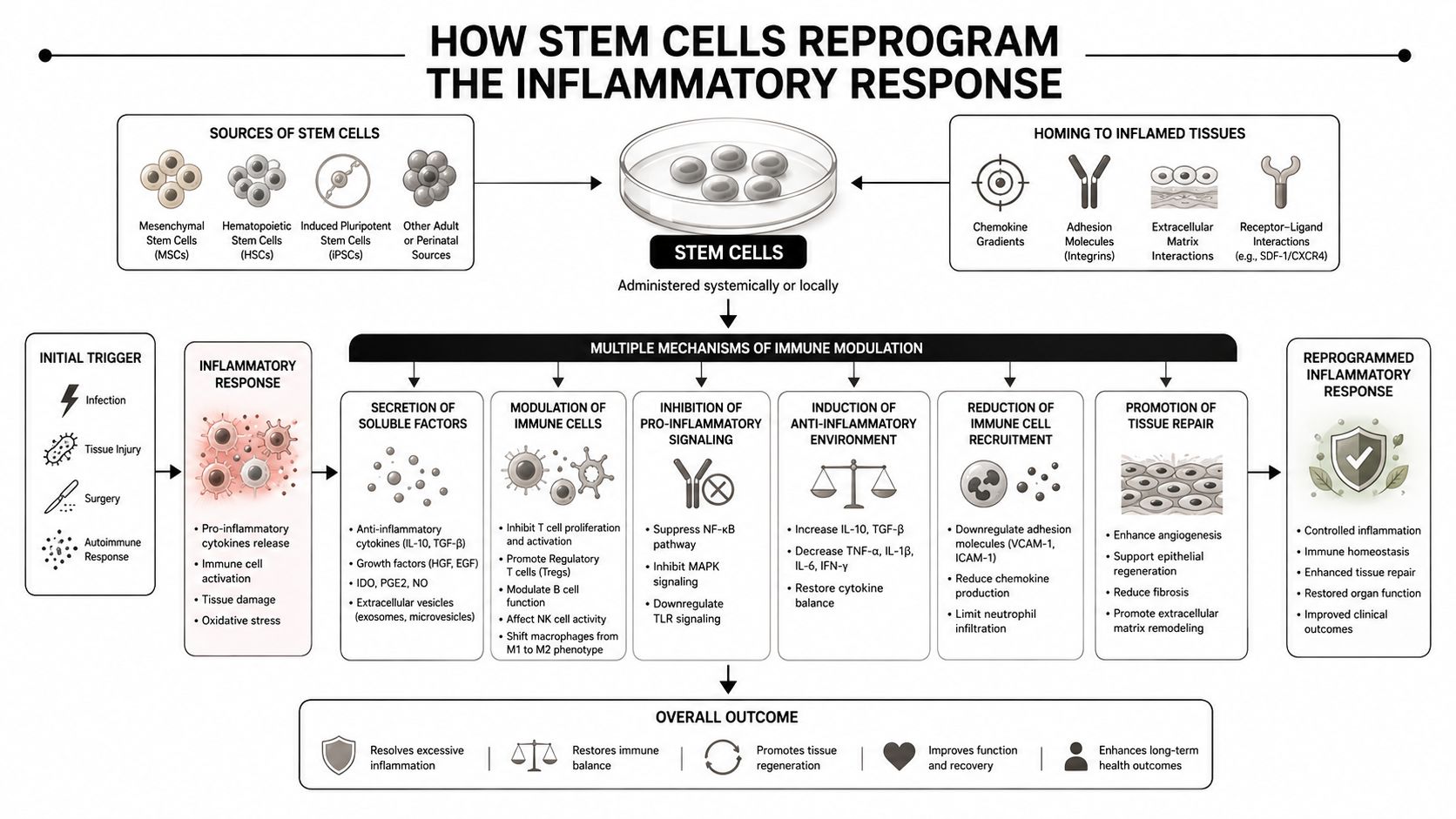
MSC-based therapy works mainly through immunomodulation. These cells sense inflammatory cues such as TNF-α, IFN-γ, and IL-1, then respond by increasing mediators like iNOS and IDO that calm overactive immune signaling and reduce T-cell proliferation, according to the review on MSC immunology in chronic inflammatory disease (ScienceDirect review). In plain language, the stem cells don't just “become” new tissue, they help turn down the immune static that keeps tissue from healing.
Macrophages, T cells, and messenger packages
The deeper biology matters because inflammation is a team sport. MSCs can suppress overactive T-cells, encourage regulatory T-cells, and help shift macrophages away from a pro-inflammatory M1 pattern toward a reparative M2 state. That M1-to-M2 shift is associated with lower inflammatory output and better resolution of damaged tissue, including support for barrier repair and angiogenesis, as described in the review on targeted inflammatory therapy with MSCs (IJN review).
The messenger packages matter too. Exosomes are the small parcels carrying regulatory signals from one cell to another. If the stem cell is the project manager, exosomes are the sealed envelopes with revised instructions. That's why the therapeutic target is the inflammatory circuit itself, not just the scarred tissue sitting at the end of it. For a focused explanation of that immune signaling model, immune modulation with stem cells is the right internal reference.
What the Clinical Evidence Shows
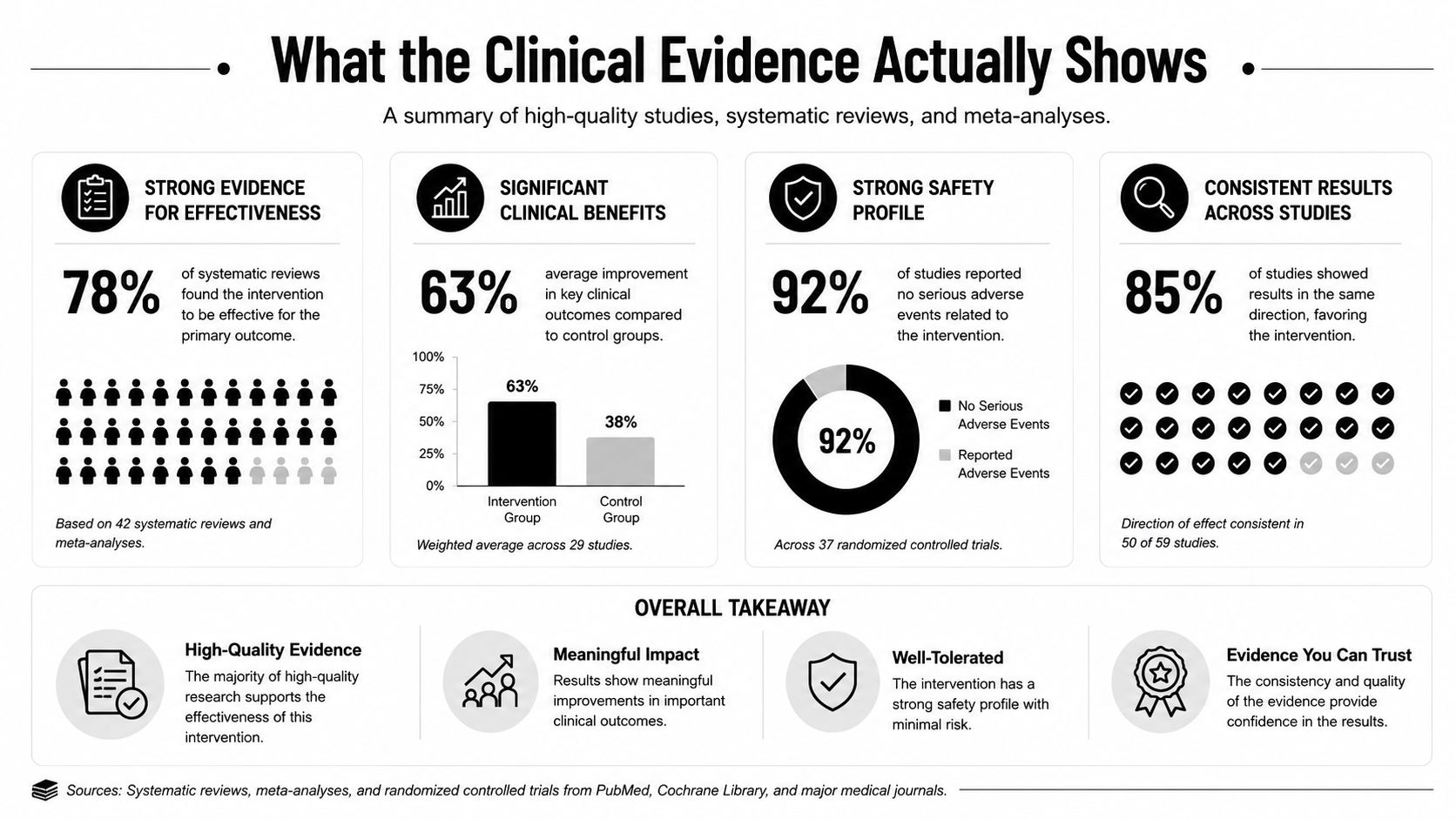
A patient may hear promising stories about stem cell therapy for chronic inflammation and still wonder what the research really supports. The answer is encouraging, but still early. A 2025 PubMed analysis reported that annual stem cell trials in this field rose from 11 per year in 2000 to 2004 to a peak of 73 in 2019, and that only 10.2% had advanced to Phase III. That pattern points to a field that is growing quickly, while the clinical evidence is still developing. The same analysis also noted that a 2021 review found roughly 1,000 mesenchymal stem cell therapy trials worldwide, with 491 trials, or 47.1%, focused on immune- or inflammation-mediated disease, and only nine MSC-based products approved globally at that time.
A landmark safety benchmark
One useful way to judge a therapy is to ask whether it has been tested in a condition where the inflammatory process is severe and easy to measure. CYP-001, a phase I study in steroid-resistant acute graft-versus-host disease, offers that kind of benchmark. In that trial, 15 patients received two intravenous doses of 1–2 × 10^6 cells/kg, and the 100-day outcomes showed an 86.7% overall response rate, a 53.3% complete response rate, and 86.7% survival. At 2 years, follow-up reported 60% survival, 9 of 15, with no treatment-related serious adverse events attributed to the cell therapy (CYP-001 phase I study).
Why protocol quality still matters
The main lesson from the literature is simple. Stem cell therapy is not a single, fixed intervention, and there is still no clear consensus on patient selection, transplantation method, treatment dose, or treatment frequency for chronic inflammatory disease (PMC review). A clinic that understands this reality will explain where the evidence is stronger, where it is still thin, and why the protocol has to match the condition rather than the marketing claim. For a plain-language summary of what published research has concluded about safety, see our published research summary on stem cell safety.
A serious provider explains the evidence, the gaps, and the trade-offs before the first treatment is ever scheduled.
Comparing Cell Types and Treatment Approaches
Not all stem cell products behave the same way. For chronic inflammation, the main goal is usually allogeneic treatment, meaning donor-derived cells that have been screened, processed, and selected for consistency. That matters because inflammation often needs a biologically active, younger signal, not cells carrying the same wear-and-tear pattern the patient already has.
Whole cells versus exosomes
Whole MSC therapy gives you live cells that can respond adaptively to inflammatory cues after infusion or injection. Exosome therapy is more like sending the instructions without the full team. It can be more targeted in signaling, while whole cells may provide a broader and longer-lived immune effect. Neither approach is automatically better in every case, which is why the condition, route, and treatment goal all matter.
Cell sources and clinical use
| Cell Source | Key Characteristics | Best Suited For |
|---|---|---|
| Placental | Allogeneic, young tissue source, used for immune signaling support | Systemic inflammatory conditions |
| Wharton's jelly | Allogeneic, perinatal tissue source often discussed for MSC-based care | Immune modulation-focused protocols |
| Adipose | Tissue-derived source, often considered for reparative signaling | Selected inflammatory and musculoskeletal cases |
| Endometrial | Tissue-derived source used in some regenerative programs | Protocols needing cellular signaling support |
| Dental pulp | Tissue-derived source with regenerative interest | Specialized regenerative applications |
If you want a broader clinical overview of how MSC programs are framed in practice, mesenchymal stem cell therapy is the relevant internal resource. For people also exploring non-cellular support, anti-inflammatory supplements can help you think about adjunctive care, though supplements aren't a substitute for a biologic treatment plan.
Route of delivery changes the logic
Intravenous treatment makes sense when the problem is systemic, because the immune circuit isn't isolated to one joint or one organ. Local injection makes more sense when a specific tissue is driving pain or dysfunction. The right route depends on whether the goal is whole-body immune recalibration or localized repair signaling.
What to Expect from Consultation Through Recovery
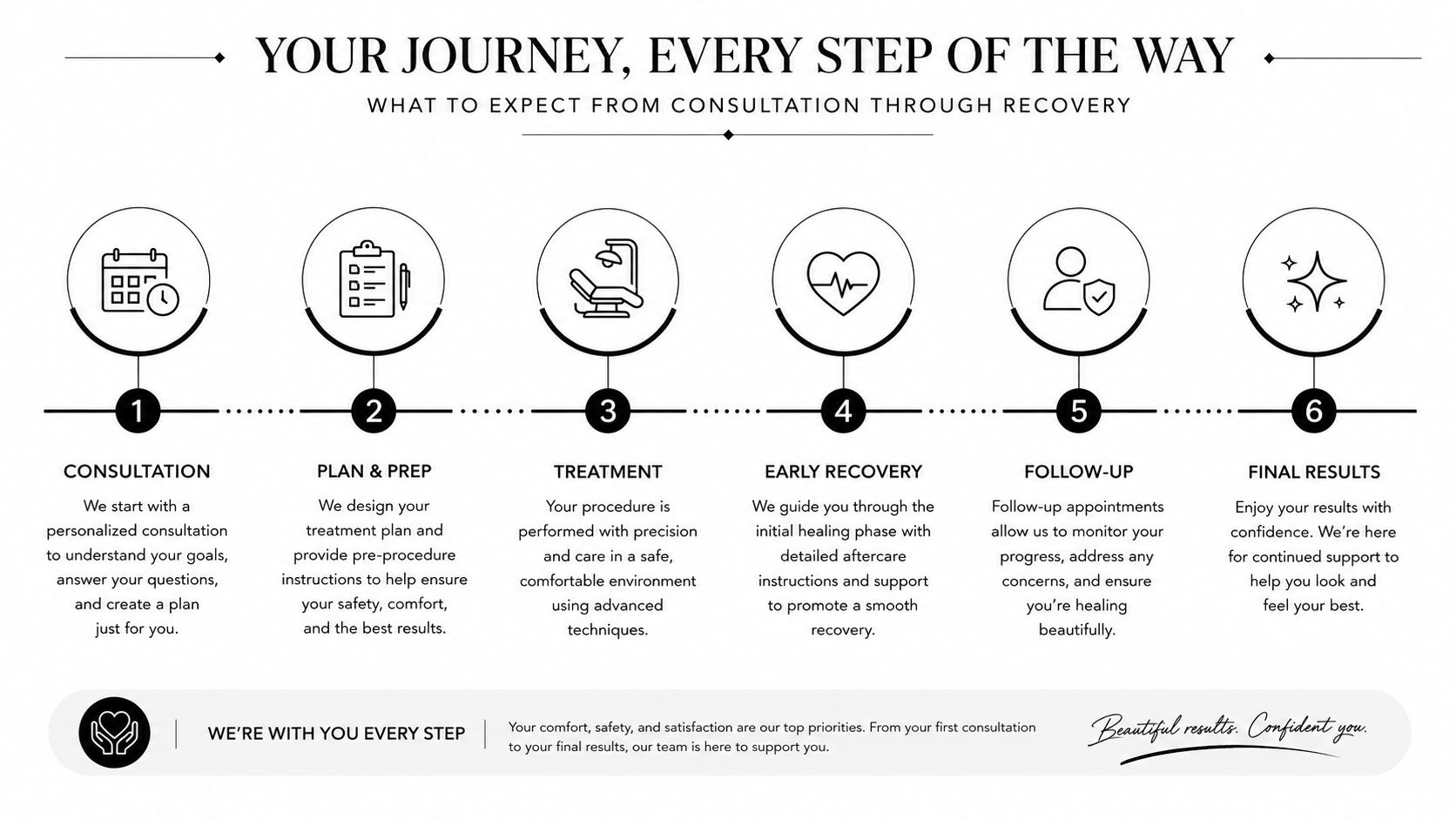
A thoughtful clinic doesn't start with an IV bag. It starts with a diagnostic picture. That usually means reviewing symptoms, inflammatory markers, and imaging together so the treatment plan reflects the patient's actual biology, not a templated protocol.
Before treatment
The consultation should feel more like a medical workup than a sales call. A good team asks what flares the inflammation, what improves it, what medications you take, what your imaging shows, and whether the issue looks systemic, localized, or mixed. That context determines whether the plan should lean toward immune modulation, tissue support, or both.
Treatment day and the first few days
Most patients describe the procedure as an IV infusion or targeted injection that takes roughly 1 hour, depending on the protocol. Afterward, some people notice mild fatigue or a short-lived inflammatory flare as the immune system recalibrates. That isn't instant healing, it's biology settling into a new pattern.
The video below shows the treatment journey in a simple visual format.
What happens over time
Change is usually gradual. Patients often think in terms of weeks to months, with improvements in energy, pain, mobility, and inflammatory markers building as the system resets. Sleep quality, protein intake, hydration, and stress regulation matter because they influence how much friction the immune system has to work through.
Safety Standards and Quality Considerations
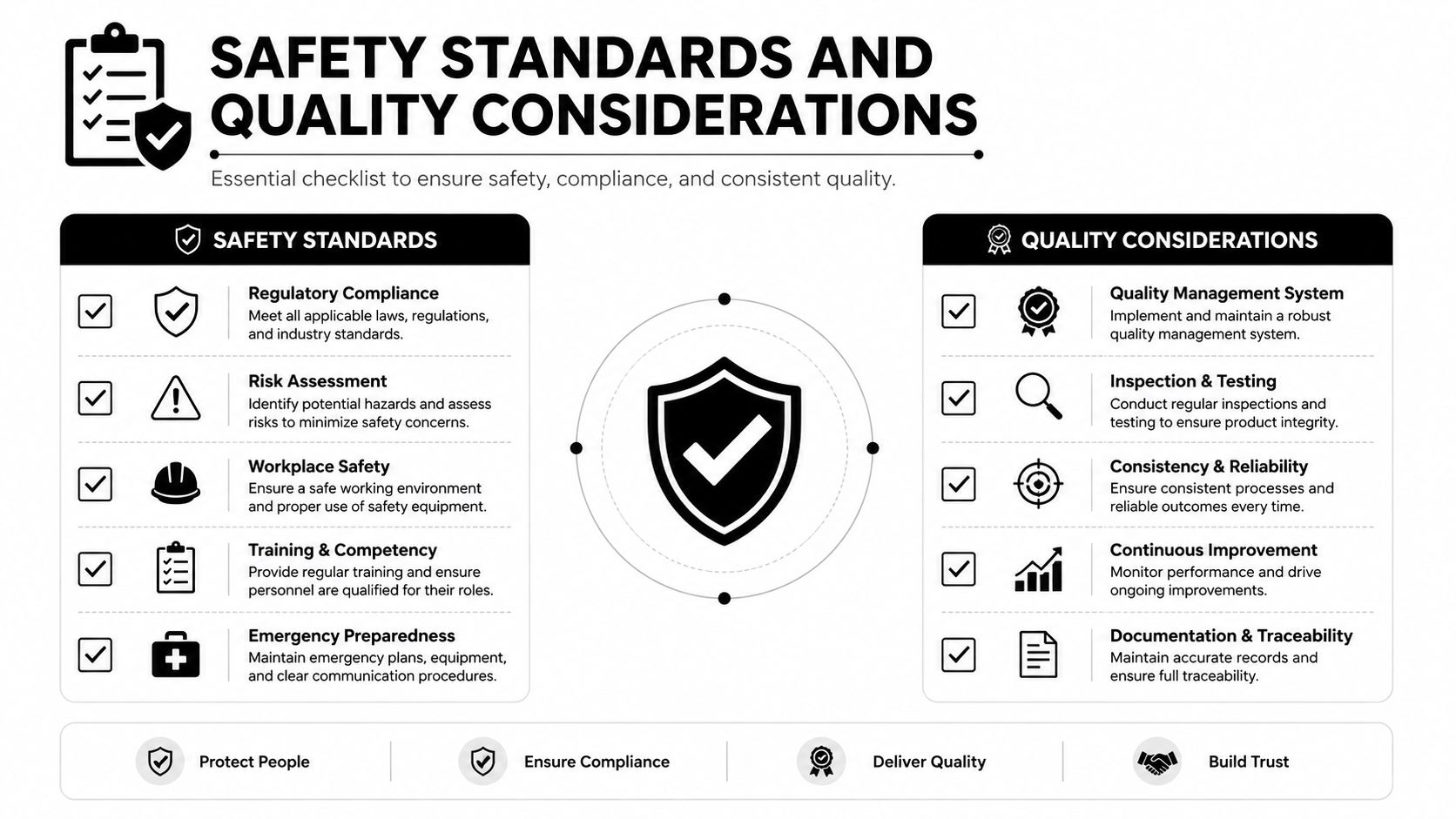
A clinic's safety practices are not background details. They determine whether stem cell therapy is handled like careful regenerative medicine or sold like a shortcut. If the team cannot explain sourcing, processing, storage, and oversight in plain language, that is a signal to pause.
What reputable quality control looks like
A credible program should rely on licensed biotechnology facilities, transparent donor screening, sterility testing, and physician-led protocols grounded in published evidence. The lab environment matters because cells are only as clean as the systems used to prepare them, which is why biotechnology cleanroom specifications can help patients understand what controlled manufacturing standards look like in practice.
Quality also shows up in how the clinic talks about risk. A good team should be able to explain where the cells come from, how they are processed, what testing is done before use, and how the protocol is adjusted if the inflammatory picture does not respond as expected. That is the difference between a clinic that treats stem cells as a biological product and one that treats them as a marketing slogan.
Red flags you should not ignore
Unclear sourcing: If the clinic cannot tell you exactly where the cells come from, do not proceed.
Unrealistic promises: Chronic inflammation is biologic and layered, so any guarantee should raise concern.
No clear safety context: Responsible providers can explain what is known, what remains uncertain, and why their protocol is designed the way it is.
Weak regulatory footing: In Mexico, COFEPRIS licensing matters, and US patients should understand how FDA rules affect treatment choices abroad.
No explanation of cell type or handling: A careful consultation should clarify whether the protocol uses autologous or donor-derived cells, how contamination risk is controlled, and how the team monitors for adverse reactions.
A useful patient-facing question is whether the clinic can describe its process as clearly as it describes its promise. If the answer is vague, review is stem cell therapy safe before deciding whether to move ahead.
Choosing the Right Provider and Protocol
Because there's no universal consensus on the best dose, route, or frequency for chronic inflammatory disease, the provider's judgment becomes part of the treatment itself. The right clinic doesn't just sell access to cells, it builds a plan around your diagnosis, imaging, biomarkers, and goals.
Questions that separate science from sales
A serious consultation should answer a few direct questions. What cell source will be used, and why is it better for your condition? How does the clinic decide between IV and local treatment? What follow-up testing is built into the plan? How will the team measure whether inflammation is changing?
If the answer to every question is a package upgrade, keep looking.
What integrated care should look like
The strongest clinics combine regenerative care with other tools that support recovery, including peptides, hyperbaric oxygen, targeted nutrition, and follow-up laboratory testing. One option in that model is Longevity Medical Institute, which integrates stem cell and exosome therapies with advanced diagnostics and physician-directed care for inflammatory and regenerative programs.
A good protocol is personalized, monitored, and adjustable. It doesn't treat every patient the same way just because the billing code is easy. It treats the inflammatory pattern in front of the clinician.
A simple decision framework
Start with diagnostics: Make sure the clinic evaluates biomarkers, imaging, and the clinical story before recommending treatment.
Ask about cell access: Multiple cell types can matter when the inflammatory picture isn't straightforward.
Confirm follow-up: You should know when results will be reassessed and how progress will be measured.
Watch for pressure: If the clinic pushes fast scheduling before answering basic questions, that's a poor sign.
Frequently Asked Questions About Stem Cell Therapy for Inflammation
How long do results last? It depends on the underlying inflammatory driver, the condition being treated, and how well the rest of the plan supports recovery. Some people need repeat treatment, while others may be managed with a more conservative follow-up strategy.
Can I stay on my current medications? Often, yes, but that decision should be made by the treating physician. The safest approach is to review every medication and supplement before treatment so there are no surprises.
Is treatment in Mexico different from the US or Canada? The biggest differences are usually access, regulation, and protocol style. What matters most is not the passport stamp, it's the clinic's sourcing standards, oversight, and transparency.
Am I a good candidate? Patients with persistent inflammatory symptoms, incomplete response to conventional care, and a clear diagnostic workup are often the ones asking the right questions. Active infections, uncontrolled disease, or unclear diagnoses may need to be addressed first.
What if it doesn't work? Then the plan needs reassessment. A credible clinic will talk about that possibility up front and explain how follow-up data will guide next steps.
Are there cases where it isn't recommended? Yes. That decision depends on the condition, medical history, and the clinical context, so it can't be answered safely in a vacuum.
If you're comparing regenerative options for chronic inflammation, Longevity Medical Institute offers physician-led evaluations, stem cell and exosome programs, advanced imaging, and biomarker-driven protocols in one setting. Visit Longevity Medical Institute to review the clinic's regenerative medicine resources and see whether a consultation makes sense for your situation.
Author
Dr. Kirk Sanford, DC, Founder & CEO, Longevity Medical Institute. Dr. Sanford focuses on patient education in regenerative and longevity medicine, translating complex therapies into clear, practical guidance for patients.
Medical Review
Dr. Félix Porras, MD, Medical Director, Longevity Medical Institute. Dr. Porras provides clinical oversight and medical review to help ensure accuracy, safety context, and alignment with current standards of care.
Last Reviewed: August 12, 2026
Short Disclaimer
This information is for educational purposes only and is not medical advice. It does not replace an evaluation by a qualified healthcare professional. For personalized guidance, please schedule a consultation.